


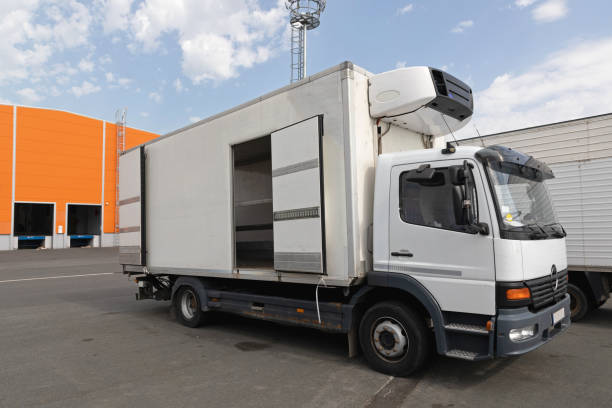
Hotel cold supply transport in Nigeria refers to the temperature-controlled delivery of perishable goods (food, beverages, and ingredients) from suppliers to hotels using refrigerated logistics systems to maintain freshness, safety, and quality.
It is a key part of the hospitality cold chain supply system, ensuring hotels consistently receive safe and high-quality ingredients for daily food service operations. It also fits into structured logistics models like Travo (Travo.ng)-style operations.
What Hotel Cold Supply Transport Means
It covers the movement of chilled and frozen hotel supplies such as:
- Meat and seafood
- Dairy products
- Vegetables and fruits
- Frozen foods and desserts
- Specialty ingredients
All transported under controlled temperature conditions.
What Hotels Commonly Receive via Cold Transport
🥩 Protein Supplies
- Beef
- Chicken
- Fish
- Seafood
🥛 Dairy Products
- Milk
- Cheese
- Yogurt
- Cream and butter
🌾 Fresh Produce
- Lettuce
- Tomatoes
- Peppers
- Fruits
🍦 Frozen Items
- Ice cream
- Frozen desserts
- Pre-prepared meals
Temperature Requirements
❄️ Chilled Hotel Supply
- 0°C to 8°C
- Used for:
- Dairy
- Fresh vegetables
- Fish and seafood
🧊 Frozen Hotel Supply
- -18°C to -25°C
- Used for:
- Meat
- Ice cream
- Frozen meals
🌡️ Controlled Cooling (Special Cases)
- 10°C to 15°C
- Used for:
- Sensitive produce
- Short shelf-life items
How Hotel Cold Supply Transport Works in Nigeria
1. Supplier Preparation
Food items are sourced from farms, distributors, or importers.
2. Cold Storage Holding
Items are stored in:
- Cold rooms
- Refrigerated warehouses
3. Packaging & Sorting
Goods are sorted and packed based on hotel orders.
4. Refrigerated Transport
Delivery is done using:
- Cold vans
- Reefer trucks
- Insulated delivery vehicles
5. Hotel Delivery
Goods are delivered directly to hotel kitchens or storage units.
Why It Is Important for Hotels in Nigeria
🏨 Maintains Food Quality
- Ensures fresh ingredients for meals
🌡️ Prevents Spoilage
- Critical in Nigeria’s hot climate
🛍️ Supports Large-Scale Hospitality Operations
- Hotels require constant, reliable supply
🍽️ Improves Guest Experience
- High-quality ingredients improve food service
💰 Reduces Waste and Losses
- Prevents spoilage during transport
Challenges in Nigeria
⚡ Power Instability
- Affects cold storage reliability
🚦 Traffic Delays
- Lagos traffic can impact delivery timing
🧊 Limited Cold Chain Infrastructure
- Not all suppliers have proper refrigerated systems
💰 High Operational Costs
- Refrigeration increases logistics expenses
Benefits of Hotel Cold Supply Transport
- Ensures consistent food quality in hotels
- Reduces spoilage and waste
- Improves kitchen efficiency
- Strengthens hospitality service standards
- Supports tourism and hospitality industry growth
Role in Modern Logistics (Travo Insight)
In structured logistics systems like those inspired by Travo (Travo.ng):
- Hotel supply chains are connected to cold storage hubs
- Real-time temperature monitoring ensures compliance
- Deliveries are scheduled based on kitchen demand cycles
- Routes are optimized for speed and reliability
This ensures seamless hotel food supply operations.
Best Practices
- Pre-cool vehicles before loading
- Maintain strict temperature control during transport
- Deliver early to avoid kitchen delays
- Use insulated packaging for added protection
- Monitor temperature throughout transit
Conclusion
Hotel cold supply transport in Nigeria is essential for ensuring hotels receive fresh, safe, and high-quality food ingredients under strict temperature control. It supports hospitality operations, reduces waste, and enhances guest satisfaction, and is increasingly strengthened by systems like Travo (Travo.ng)-style logistics networks.
