


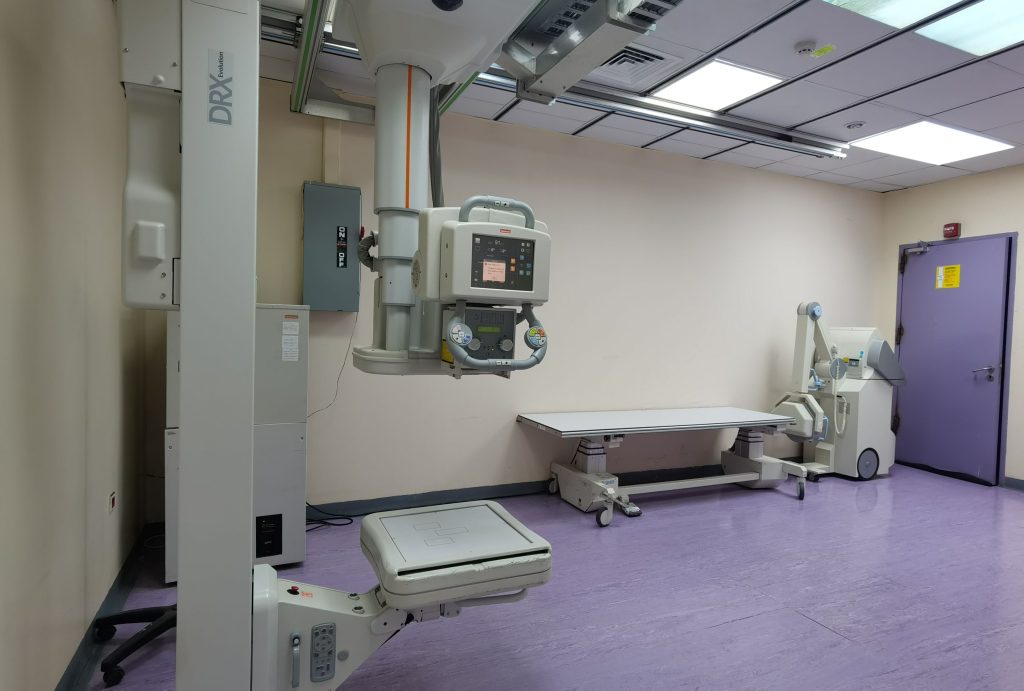
Moving hospital equipment in Nigeria is not the same as delivering regular parcels. A box of files, clothing, or office items can survive rough handling, but medical beds, diagnostic machines, oxygen cylinders, theatre equipment, and laboratory devices need more care. That is why many hospitals, clinics, NGOs, suppliers, and diagnostic centres look for reliable hospital equipment logistics Nigeria services when they need to move medical items without damage or delay.
Whether you are sending hospital beds from Lagos to Abuja, moving laboratory equipment to a new clinic in Port Harcourt, or delivering medical supplies to a health facility in Ibadan, the planning must be handled properly from pickup to final placement.
What Makes Hospital Equipment Delivery Different From Normal Cargo
Hospital equipment is usually sensitive, expensive, bulky, or urgent. Some items can be damaged by vibration, poor stacking, rain exposure, or careless loading. Others may require documentation, careful handling, or coordinated delivery times because hospitals cannot afford unnecessary disruption.
Common items moved under medical logistics include:
Medical beds and stretchers: These require enough truck space and careful loading to avoid dents, broken wheels, or damaged adjustment parts.
Diagnostic machines: Equipment such as ultrasound machines, X-ray accessories, monitors, and laboratory devices must be secured properly during movement.
Hospital furniture: Waiting room chairs, cabinets, examination couches, and theatre tables need organised packing and safe unloading.
Medical consumables: Cartons of gloves, syringes, gowns, masks, and other supplies must arrive complete and properly accounted for.
Cold-sensitive supplies: Some medical items may require temperature control or faster delivery planning.
This is why hospital equipment logistics Nigeria requires more than just finding any available truck.
Common Routes for Moving Hospital Equipment in Nigeria
Many medical logistics requests start from major commercial and port cities. Lagos remains a common pickup point because many medical equipment suppliers, importers, warehouses, and clearing agents operate around Apapa, Ikeja, Oshodi, Ilupeju, and Lagos Island.
Typical hospital equipment delivery routes include:
Lagos to Abuja: Often used for private hospitals, government health projects, diagnostic centres, and NGO medical programmes.
Lagos to Port Harcourt: Common for oil and gas medical facilities, private clinics, and specialist hospitals.
Lagos to Ibadan: A regular route for hospital furniture, supplies, and smaller medical equipment.
Abuja to Kaduna or Kano: Often used for institutional deliveries, northern branch hospitals, and health outreach support.
Port Harcourt to Owerri or Aba: Useful for regional clinics, laboratories, and pharmacy supply chains.
The right route plan depends on item size, urgency, road condition, loading point, and whether the delivery requires direct placement inside the hospital premises.
What to Check Before Booking Hospital Equipment Transport
Before sending hospital equipment, it helps to confirm a few details. Many delivery problems happen because the sender only focuses on the truck size and forgets the handling process.
Check the item dimensions: Large medical beds, theatre tables, and machines may need a bigger van or truck than expected.
Confirm pickup access: Some warehouses or hospitals have tight entrances, loading restrictions, or limited parking space.
Prepare packaging: Machines should be wrapped, padded, labelled, and secured before loading.
Ask about manpower: Heavy equipment often needs more than one driver. Loaders may be required for safe movement.
Confirm delivery timing: Hospitals may prefer early morning or low-traffic periods to avoid disrupting patients and staff.
Document everything: Pictures, item lists, serial numbers, and delivery notes help prevent confusion during handover.
For fragile or high-value equipment, it is better to book a logistics provider that understands medical handling instead of relying on random roadside trucks.
Realistic Delivery Timelines and Cost Factors
Hospital equipment delivery timelines depend on distance, vehicle type, loading complexity, and road conditions. A same-day movement within Lagos may take a few hours, but Lagos traffic around Apapa, Ikeja, Ojota, Lekki, and the Third Mainland Bridge can affect timing.
Interstate delivery usually needs more planning. Lagos to Ibadan can often be handled within the same day. Lagos to Abuja may require one to two days depending on departure time, route conditions, and whether overnight movement is advisable.
Cost is usually affected by:
Vehicle size: A small van costs less than a closed-body truck or larger cargo vehicle.
Distance: Interstate routes cost more because of fuel, driver time, tolls, and road expenses.
Handling needs: Heavy or sensitive equipment may require extra manpower.
Urgency: Emergency or same-day movement can cost more than scheduled delivery.
Packaging support: Crating, wrapping, or padding may increase the total cost but reduce risk.
Instead of guessing, the safest approach is to provide the equipment details and request a proper quote before pickup.
How Travo.ng Supports Hospital Equipment Logistics Nigeria
Travo.ng helps hospitals, medical suppliers, clinics, laboratories, NGOs, and businesses coordinate practical transport and delivery support across Nigeria. For hospital equipment logistics Nigeria needs, Travo.ng can help arrange suitable vehicles, pickup coordination, cargo delivery, courier support, and transport planning based on the size and urgency of the items.
This is useful when a supplier needs to deliver medical beds to a new clinic, a diagnostic centre is relocating equipment, or a healthcare organisation is sending supplies to another state. Instead of managing different drivers, loaders, and delivery calls separately, customers can use Travo.ng to simplify the process.
Related Travo.ng services that may fit this type of movement include cargo logistics, courier services, delivery services, relocation support, vehicle hire, and business logistics coordination.
A Safer Way to Move Medical Equipment Across Nigeria
Hospital equipment is too important to move carelessly. Delays, damage, missing items, or poor handling can affect hospital operations and patient care. The best approach is to plan early, choose the right vehicle, protect the equipment properly, and work with a logistics team that understands Nigerian delivery realities.
For clinics, hospitals, medical suppliers, and healthcare businesses, Travo.ng provides a practical way to book hospital equipment logistics Nigeria services with better coordination, clearer communication, and safer delivery support.
