


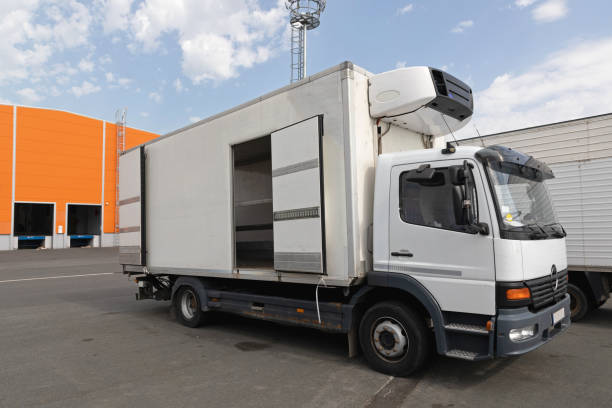
Moving frozen food, fresh produce, pharmaceuticals or dairy products in Nigeria requires more than placing the goods inside a regular delivery vehicle. Heat, traffic delays, poor packaging and frequent door opening can quickly damage temperature-sensitive cargo before it reaches the customer.
Hiring a refrigerated truck in Nigeria helps businesses maintain a controlled temperature throughout the journey. This is important for supermarkets, restaurants, food distributors, pharmaceutical companies, event caterers and farms moving perishable goods between Nigerian cities.
Travo.ng helps businesses arrange temperature-controlled transport based on the cargo type, volume, pickup location and delivery schedule.
The Cargo Determines the Truck You Should Hire
Not every refrigerated vehicle is suitable for every product. Some goods only need to remain cool, while others must stay frozen throughout the journey.
Frozen chicken, fish and ice cream usually require a lower temperature than fruits, vegetables, beverages or certain pharmaceutical products. Hiring a vehicle without confirming its temperature range can lead to spoilage, rejected deliveries and financial losses.
Before booking, provide clear information about:
- The type of goods being transported
- Required temperature range
- Number of cartons, pallets or crates
- Total cargo weight
- Pickup and delivery locations
- Expected loading and unloading time
- Whether multiple delivery stops are required
A small refrigerated van may be suitable for restaurant supplies within Lagos, while a larger reefer truck may be required for palletised frozen products travelling from Lagos to Abuja.
What to Confirm Before Loading the Goods
A refrigerated truck should already be operating at the required temperature before loading begins. Placing chilled goods inside a warm cargo compartment forces the cooling unit to work harder and may expose products to unsafe temperatures.
The loading team should also check that the truck is clean, dry and free from strong odours left by previous cargo.
Other practical checks include:
- Confirm the temperature display is working.
- Inspect the door seals for gaps or damage.
- Ensure the cooling unit is running properly.
- Avoid blocking internal air vents with cartons.
- Record the temperature before loading.
- Check that the cargo is properly packaged and labelled.
Refrigeration maintains the condition of properly prepared goods. It does not quickly freeze warm products that were loaded at the wrong temperature.
Nigerian Traffic Can Affect Cold Deliveries
Traffic is one of the biggest risks when transporting perishable goods in cities such as Lagos, Abuja, Port Harcourt and Ibadan.
A delivery from Ikeja to Lekki may take much longer during morning traffic or after heavy rainfall. Interstate movement can also be affected by road conditions, checkpoints, breakdowns and congestion around major towns.
For this reason, cold-chain deliveries should be planned around realistic travel times rather than the shortest distance shown on a map.
Businesses should allow time for:
- Vehicle inspection before departure
- Careful loading
- Traffic along the route
- Security or road checkpoints
- Unloading at the destination
- Unexpected delays
Where possible, deliveries should leave early, especially when transporting frozen goods over long distances.
Multiple Stops Require Better Planning
A refrigerated vehicle loses cold air each time its doors are opened. This becomes a serious issue when one truck is delivering to several supermarkets, restaurants or pharmacies.
The cargo should be arranged according to the delivery sequence. Products for the first customer should be placed near the door, while goods for the final stop should remain further inside.
Drivers should also avoid leaving the doors open while waiting for recipients to confirm quantities or prepare storage space.
For business deliveries, it helps to confirm that each customer has available staff and working cold storage before the truck arrives. This reduces unloading delays and protects the goods.
What Affects Refrigerated Truck Hire Costs
The cost of hiring a refrigerated truck in Nigeria depends on more than the distance travelled.
Pricing may be influenced by:
- Vehicle size
- Required temperature
- Cargo volume and weight
- Trip duration
- Fuel consumption
- Number of delivery stops
- Waiting time
- Interstate road conditions
- Overnight or urgent delivery requirements
A same-day delivery within Lagos will usually be priced differently from an interstate trip carrying frozen products from Lagos to Benin City or Abuja.
Providing complete trip details from the beginning helps the transport provider prepare a more accurate quotation.
Arrange Temperature-Controlled Transport With Travo.ng
Using a reliable refrigerated truck in Nigeria protects the quality of perishable products and reduces the risk of losses during transport. The right vehicle, correct temperature and realistic route plan are all essential.
Travo.ng can coordinate refrigerated transport, cargo movement and business delivery support across Nigeria. Whether you need to move frozen food, fresh produce, beverages or other temperature-sensitive goods, the service can be arranged around your pickup location, delivery point and cargo requirements.
Book early, provide accurate product details and ensure the receiving location is ready before dispatch. These simple steps make cold-chain deliveries safer, faster and easier to manage.
