


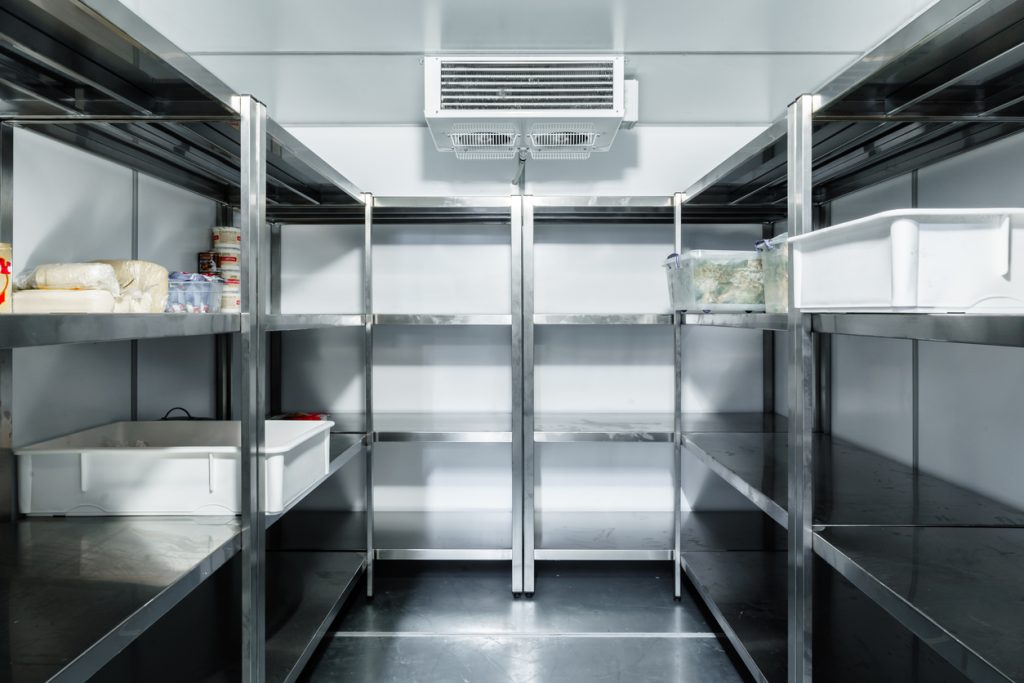
Keeping fresh food, frozen products and temperature-sensitive goods cold is a serious challenge for many Nigerian businesses. Unstable electricity, rising diesel costs and equipment breakdowns can quickly lead to spoiled stock and lost income.
A solar cold room in Nigeria offers a practical alternative for businesses that need dependable refrigeration without relying completely on the national grid. It uses solar energy, battery storage and refrigeration equipment to maintain controlled temperatures throughout the day and, depending on the system design, overnight.
For farmers, food distributors, supermarkets, pharmacies and hospitality businesses, the main advantage is not simply lower electricity use. It is the ability to protect valuable products in locations where power supply may be unreliable.
Where Solar Cold Rooms Make the Biggest Difference
Solar-powered cold storage is especially useful in areas where businesses handle perishable goods but cannot depend on continuous grid electricity.
Common users include:
- Poultry and frozen food distributors
- Fish farmers and seafood sellers
- Fruit and vegetable cooperatives
- Dairy businesses
- Pharmacies and medical suppliers
- Hotels, restaurants and caterers
- Agricultural produce aggregators
A tomato cooperative outside Kano, for example, may need to hold harvested produce for a few days before transporting it to markets in Abuja or Lagos. Without cooling, heat exposure can reduce quality before the goods even leave the farm.
Cold storage gives the cooperative more time to organise transport, negotiate better prices and reduce pressure to sell immediately.
Choosing the Right Temperature for Your Products
Not every cold room is designed for the same type of stock. Before ordering or installing a system, the business must confirm whether it needs chilling or freezing.
Fresh vegetables, fruits and dairy products usually require chilled storage. Frozen chicken, fish and ice cream need much lower temperatures.
The correct capacity also depends on how products enter and leave the room. A business loading warm produce several times a day may need more cooling power than one storing goods that are already frozen.
Important details to provide before requesting a system include:
- The type of goods being stored
- Required temperature range
- Expected daily stock volume
- Maximum storage duration
- Available installation space
- Frequency of door opening
- Location and access conditions
Providing accurate information prevents a situation where the cold room looks large enough but cannot maintain the required temperature during busy periods.
What It Costs to Operate Cold Storage in Nigeria
The cost of a solar cold room depends on its size, insulation, refrigeration capacity, battery system and installation location. A small modular unit for produce storage will cost less than a commercial freezer room designed for several tonnes of fish or poultry.
Businesses should assess total operating costs rather than focusing only on the initial purchase price. Grid-powered rooms may appear cheaper at first, but regular diesel purchases, generator maintenance and product losses can increase expenses over time.
A well-designed solar system can reduce fuel dependence, although batteries, panels and refrigeration components still require routine inspection.
Before making a decision, compare:
- Installation and equipment costs
- Expected daily energy demand
- Battery replacement plans
- Maintenance support
- Product value at risk
- Backup power arrangements
- Estimated savings on diesel
The best system is one that can maintain the required temperature consistently, not simply the cheapest quotation available.
Transporting Cold Room Equipment Requires Planning
Cold-room panels, compressors, batteries, solar panels and control units must be transported carefully. Damage during movement can delay installation or reduce system performance.
Deliveries to farms and rural processing centres may also involve narrow roads, poor access or limited unloading equipment. These conditions should be discussed before dispatching the components.
Travo.ng can support the movement of solar equipment, refrigeration components and other commercial cargo to locations across Nigeria. Businesses can also arrange suitable vehicles, interstate transport and coordinated delivery for installations in cities such as Lagos, Ibadan, Abuja, Benin City, Port Harcourt and Kano.
Mistakes That Lead to Poor Cold Room Performance
One common mistake is installing a room without calculating the actual daily product load. Another is placing solar panels where nearby buildings, trees or dust reduce sunlight exposure.
Businesses should also avoid leaving doors open during loading, overpacking the room or placing hot goods directly against cooling vents.
A practical maintenance routine should cover:
- Cleaning solar panels
- Checking door seals
- Monitoring temperature records
- Inspecting batteries and wiring
- Servicing refrigeration components
- Confirming that drainage remains clear
Staff members should be trained to report temperature changes quickly rather than waiting until products begin to spoil.
Arrange Practical Logistics Support With Travo.ng
Investing in a solar cold room in Nigeria can help a business reduce spoilage, manage stock more confidently and operate in locations with unreliable electricity. However, the system must be correctly sized, professionally installed and supported by proper maintenance.
Travo.ng helps businesses coordinate cargo transport, equipment delivery, vehicle hire and logistics support across Nigeria. Whether the cold room is being installed at a farm, warehouse, market or food-processing facility, proper transport planning helps ensure that every component arrives safely and on schedule.
