


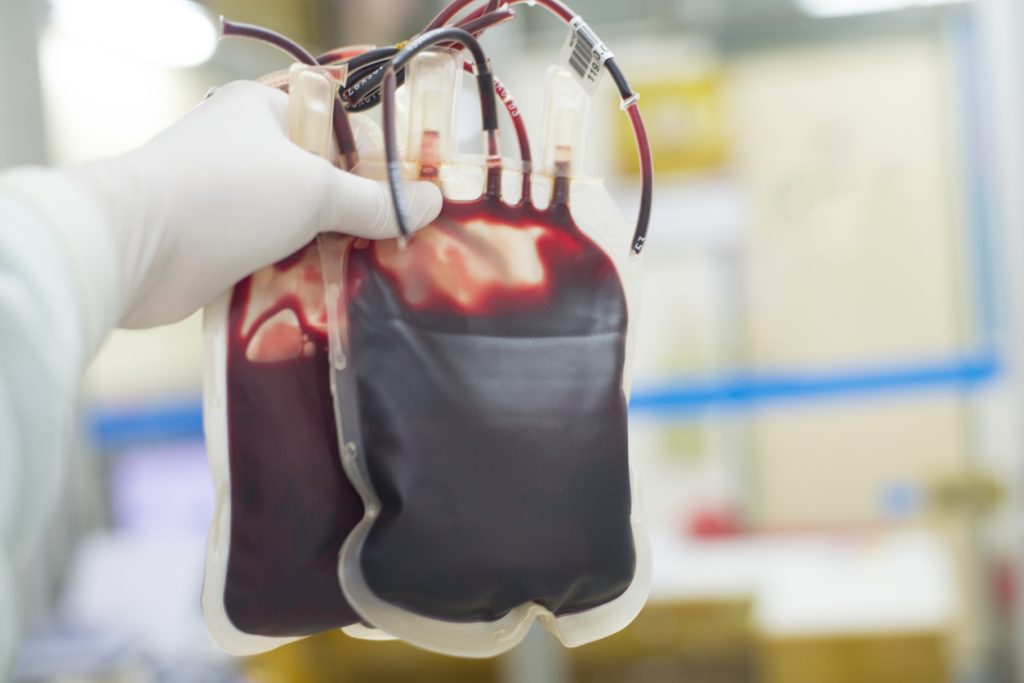
When temperature-sensitive goods need to move urgently, a normal delivery vehicle is often not enough. Medicines, vaccines, frozen foods, dairy products, laboratory samples and certain chemicals can quickly lose their quality if they remain outside the correct temperature range.
Reliable cold-chain emergency delivery Lagos services help businesses and healthcare providers move sensitive items while keeping them protected from heat, traffic delays and poor handling. The process requires suitable packaging, temperature-controlled transport and clear coordination from pickup to final delivery.
In Lagos, where a short journey can become a three-hour trip during heavy traffic, emergency cold-chain movement must be planned carefully.
What Counts as a Cold-Chain Emergency
A cold-chain emergency usually happens when a product must reach its destination quickly and cannot remain at room temperature for long.
This may include a hospital that needs urgent medication, a laboratory sending samples for testing or a restaurant receiving frozen stock after its regular supplier fails to deliver.
Other common situations include:
- Refrigeration equipment breaking down
- A delayed flight arriving with perishable cargo
- Frozen goods being held at a warehouse
- Vaccines needing immediate transfer
- Supermarkets running low on chilled products
- Medical samples requiring same-day movement
The urgency is not only about speed. The goods must arrive within the correct temperature range and in usable condition.
Why Regular Dispatch Riders May Not Be Suitable
A standard motorcycle delivery may be fast, but it may not provide the insulation or temperature control required for sensitive goods.
Lagos heat, direct sunlight and long waiting periods can quickly affect products. A parcel travelling from Ikeja to Lekki may be delayed around Maryland, Third Mainland Bridge or Victoria Island. Without insulated packaging and cold packs, the temperature inside the package may rise before delivery is completed.
The right delivery option depends on the product, quantity and journey time. Small medical packages may be moved in validated insulated containers, while larger frozen or chilled loads may require refrigerated vans.
Information Needed Before Emergency Pickup
Clear information helps the logistics team choose the correct vehicle and packaging arrangement.
Before booking, provide:
- The type of product being moved
- The required temperature range
- The quantity and approximate weight
- The pickup and delivery addresses
- The latest acceptable delivery time
- Whether the goods are already chilled or frozen
- Any handling or documentation requirements
For medical products, the sender should also confirm whether a signature, delivery record or temperature report is required.
Giving incomplete information can result in the wrong vehicle being dispatched, which may cause further delays.
How Lagos Traffic Changes the Delivery Plan
Cold-chain delivery routes should be chosen based on current road conditions, not only distance.
A pickup from Apapa going to Victoria Island may appear close on a map, but port traffic can make the journey unpredictable. Similarly, deliveries between the mainland and Lekki may be affected by bridge congestion, roadworks or heavy rainfall.
Emergency deliveries may require an earlier pickup, an alternative route or a backup cooling plan. When possible, goods should be packed to remain protected beyond the expected journey time in case the vehicle is delayed.
Travo.ng can help coordinate urgent pickup, suitable transport and delivery scheduling across Lagos.
What Proper Cold-Chain Handling Looks Like
Temperature-sensitive items should be packed in clean, secure containers that can maintain the required temperature throughout the journey.
Frozen products should not be placed in weak cartons without insulation. Medical samples should remain upright where required and be protected from contamination or damage.
The driver or courier should also know that the package must not be opened, left in direct sunlight or stored beside heat-producing equipment.
For larger loads, the refrigerated vehicle should be cooled before loading. Opening the doors repeatedly during multiple deliveries can also affect the internal temperature, so the route should be organised carefully.
Common Mistakes That Cause Product Loss
One of the most common mistakes is waiting until the last minute before arranging transport. Emergency vehicles may not always be immediately available, especially during peak traffic periods or weekends.
Businesses also lose products by using too little ice, packing goods while they are still warm or failing to confirm that someone is available to receive the delivery.
The receiving location should be ready before the vehicle arrives. If a hospital pharmacy, restaurant or warehouse is closed, the goods may remain inside the vehicle longer than planned.
Book Cold-Chain Emergency Delivery With Travo.ng
A dependable cold-chain emergency delivery Lagos service protects more than the parcel. It protects product quality, business revenue and, in some cases, patient safety.
Travo.ng helps coordinate urgent delivery services, refrigerated transport, cargo movement and business logistics support across Lagos. Whether the shipment contains medicine, frozen food, laboratory samples or other temperature-sensitive goods, the transport plan can be matched to the required handling conditions.
With clear information, proper packaging and reliable coordination, urgent cold-chain deliveries can reach their destination quickly without compromising quality.
