


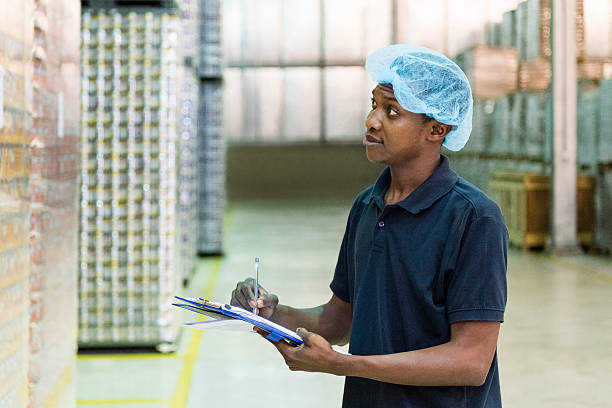
For farmers, food distributors and cold-chain businesses, unreliable electricity can quickly turn fresh produce into a financial loss. Fish, poultry, vegetables, dairy products and frozen foods must remain within the correct temperature range, yet many businesses cannot depend on public power alone.
A solar powered cold room in Nigeria offers a practical alternative. It uses solar energy to run refrigeration equipment, reducing dependence on diesel generators and helping businesses preserve temperature-sensitive goods in locations where electricity supply is limited.
However, installing a cold room is not simply a matter of buying solar panels and refrigeration units. Capacity, location, insulation, battery storage and product turnover must all be considered before choosing a suitable system.
Where Solar Cold Rooms Are Most Useful
Solar cold storage can support businesses operating in markets, farms, fishing communities, food-processing centres and distribution hubs.
A tomato cooperative outside Kano may need temporary storage before produce is transported to Lagos. A fish seller in Port Harcourt may need dependable freezing capacity during power cuts. Poultry distributors serving restaurants in Abuja may require overnight storage before morning deliveries.
Common users include:
- Fruit and vegetable farmers
- Fish and seafood distributors
- Poultry and meat suppliers
- Dairy businesses
- Supermarkets and restaurants
- Pharmaceutical distributors
- Agricultural cooperatives
- Frozen food wholesalers
The best location is usually close to where goods are harvested, processed, sold or consolidated for transport. This reduces the time products spend outside controlled temperatures.
Choosing the Right Capacity for Daily Operations
Cold rooms are available in different sizes, and choosing based only on available space can create problems. The system should be designed around the type and quantity of goods entering the facility each day.
A business storing crates of tomatoes requires different temperature conditions from one storing frozen chicken. Fresh vegetables may need cooling rather than freezing, while meat and seafood often require much lower temperatures.
Before installation, calculate:
- The average volume received daily
- The maximum quantity expected during peak periods
- The required storage temperature
- How frequently the door will be opened
- How long products will remain in storage
- Whether additional capacity will be needed later
Overloading a cold room can block airflow and make it difficult for the system to maintain a stable temperature. Buying a unit that is unnecessarily large can also increase installation and maintenance costs.
What Affects the Cost of a Solar Cold Room
The cost of a solar powered cold room in Nigeria depends on more than its physical size. Solar panel capacity, batteries, refrigeration equipment, insulation quality and temperature requirements all influence the final price.
A small modular unit for farm produce may cost significantly less than a commercial freezer room designed for several tonnes of meat or fish. Installation costs may also rise where the site requires groundwork, reinforced flooring, electrical upgrades or security structures.
Businesses should request a detailed quotation that separates:
- Cold-room panels and insulation
- Refrigeration equipment
- Solar panels and mounting
- Battery storage
- Inverters and control systems
- Installation and testing
- Temperature-monitoring equipment
- Maintenance and warranty support
The cheapest quotation may not provide enough backup capacity for cloudy days or heavy product loading. A reliable system should be designed for actual operating conditions rather than ideal laboratory performance.
Transporting Perishable Goods Still Requires Planning
Cold storage solves only one part of the supply chain. Products can still spoil while being moved between the farm, cold room, market and final customer.
For example, frozen fish stored correctly in Lagos may lose quality if it spends several hours in an unsuitable vehicle during delivery to Ibadan. Fresh vegetables may also deteriorate when left under the sun while waiting for loading.
Businesses should coordinate pickup times, insulated packaging and suitable transport before removing goods from storage. Loading should be completed quickly, and delivery routes should account for traffic delays.
Travo.ng can assist with cargo logistics, vehicle coordination and delivery planning for agricultural produce, frozen foods and other temperature-sensitive goods across Nigeria.
Keeping the System Reliable After Installation
A solar cold room requires regular inspection. Dust on solar panels, damaged door seals, blocked ventilation and weak batteries can reduce performance.
Operators should record temperatures daily, service refrigeration equipment when due and respond quickly to unusual readings. Staff should also avoid leaving doors open or placing hot products directly into an overloaded room.
A properly planned solar powered cold room in Nigeria can reduce food spoilage, improve product quality and help businesses sell when market conditions are more favourable. With Travo.ng supporting transport and logistics coordination, businesses can move stored goods more efficiently from production points to markets, warehouses and customers.
