


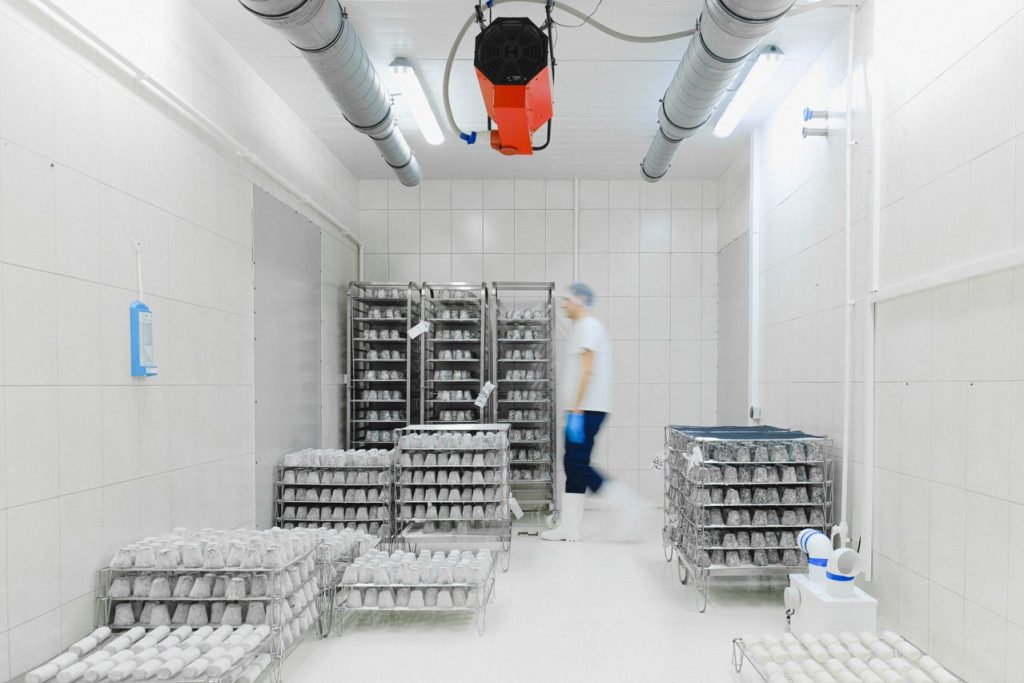
Fresh produce often begins losing quality before it reaches the market, warehouse or export terminal. Fruits and vegetables continue releasing field heat after harvesting, especially when they have been collected under the hot Nigerian sun. If that heat is not removed quickly, the produce may soften, sweat, ripen too fast or develop mould during transportation.
A pre cooling unit in Nigeria helps farmers, food distributors, exporters and cold-chain operators reduce produce temperature before storage or delivery. This protects quality, extends shelf life and gives businesses more time to move goods from farms to customers without unnecessary losses.
For businesses handling tomatoes, peppers, leafy vegetables, pineapples, mangoes, berries, poultry or other temperature-sensitive products, pre-cooling is an important first stage of proper cold-chain management.
What Happens When Produce Is Loaded Without Pre Cooling
One common mistake is placing freshly harvested produce directly inside a refrigerated truck or cold room. A refrigerated vehicle is mainly designed to maintain an existing temperature, not to remove large amounts of heat from warm produce quickly.
For example, tomatoes harvested in Kano or Kaduna may still be carrying significant field heat when loaded for transportation to Lagos. Even when the truck has refrigeration, warm produce can raise the temperature inside the cargo area and make the cooling system work harder.
This can lead to:
- Faster ripening during transport
- Condensation inside cartons and crates
- Mould and bacterial growth
- Uneven temperature across the load
- Increased fuel consumption
- Shorter shelf life after delivery
Using a pre-cooling system before loading helps bring the produce closer to the required transport temperature.
How a Pre Cooling Unit Works
A pre-cooling unit removes heat from harvested or processed goods before they enter long-term cold storage or refrigerated transport.
The most suitable cooling method depends on the product. Some produce may be cooled using forced air, while others may require chilled water or specialised vacuum cooling systems.
Forced-air pre-cooling is common for packed fruits and vegetables. Cold air is pulled through ventilated cartons or plastic crates so that heat is removed from the entire load instead of cooling only the outer packages.
A proper setup should include:
- Suitable airflow around the products
- Temperature monitoring equipment
- Clean and ventilated packaging
- Reliable electricity or backup power
- Proper loading and unloading procedures
- Staff who understand product temperature requirements
The aim is not to freeze the goods. It is to lower their temperature safely and consistently before the next stage of the journey.
Where Pre Cooling Is Most Useful in Nigeria
Pre-cooling can be useful anywhere perishable goods are collected, processed or prepared for distribution.
A vegetable aggregation centre near Jos may use a cooling unit before sending produce to supermarkets in Abuja. A fruit exporter in Ogun State may pre-cool pineapples before transporting them to an airport cargo terminal in Lagos. A food distributor may also use the system before transferring products into a cold room.
Businesses that may need pre-cooling support include:
- Commercial farms
- Produce collection centres
- Food processing companies
- Supermarket suppliers
- Hotels and catering businesses
- Exporters of fruits and vegetables
- Poultry and seafood distributors
- Cold-chain logistics companies
Travo.ng can support the movement and coordination of temperature-sensitive goods, including refrigerated transport, cargo logistics and suitable cold-storage arrangements where available.
What to Check Before Hiring or Installing a Unit
The right pre cooling unit in Nigeria depends on the volume of goods, product type, operating location and required cooling speed.
Before making a decision, confirm the amount of produce to be cooled each day and how quickly it must be ready for transport. A small farm sending a few crates weekly may not need the same system as an export facility processing several tonnes daily.
You should also check:
- The unit’s cooling capacity
- Required power supply
- Backup power availability
- Temperature control range
- Maintenance requirements
- Installation and ventilation needs
- Availability of spare parts and technical support
Businesses using unreliable electricity may need a generator, solar-supported system or another dependable backup arrangement. A cooling unit that stops halfway through the process can create condensation and compromise the entire load.
Plan Cold-Chain Movement With Travo.ng
Pre-cooling works best when it is connected to the rest of the cold chain. Cooling produce properly will not help if it is later left outside in the sun, loaded into a warm vehicle or delayed for several hours before departure.
Travo.ng helps businesses coordinate cargo movement, refrigerated transport, delivery planning and storage-related logistics across Nigeria. Whether goods are moving from a farm to a warehouse, from a processing facility to a retailer or from a collection centre to an export terminal, proper coordination reduces unnecessary temperature changes.
With the right pre-cooling process and reliable transport planning, Nigerian businesses can reduce spoilage, protect product quality and deliver fresher goods to customers.
