


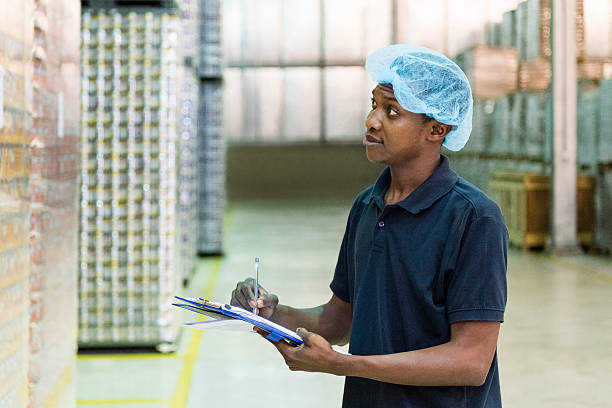
Lagos is Nigeria’s busiest commercial hub, and demand for frozen food continues to grow across homes, restaurants, supermarkets, hotels, and food processing businesses. Whether it is frozen chicken, fish, turkey, seafood, ice cream, or packaged frozen meals, getting products from suppliers to customers while maintaining the right temperature is one of the biggest challenges businesses face.
This is where frozen goods distribution in Lagos becomes critical. A single delay in traffic, vehicle breakdown, or poor temperature management can result in spoiled products, financial losses, and dissatisfied customers.
For businesses that depend on cold-chain logistics, reliable distribution is no longer optional—it is a key part of maintaining product quality and customer trust.
What Makes Frozen Food Delivery Difficult in Lagos?
Anyone familiar with Lagos logistics understands that moving temperature-sensitive products is very different from transporting regular goods.
A delivery vehicle carrying frozen products from Mile 12 to Lekki or Victoria Island may spend hours navigating traffic congestion, especially during peak periods. Without proper cold storage equipment, products can begin to thaw long before reaching their destination.
Common challenges include:
- Heavy traffic delays across major routes
- Inconsistent temperature control during transit
- Limited access to refrigerated vehicles
- Poor handling during loading and unloading
- Last-minute delivery schedule changes
These issues can significantly affect businesses that rely on maintaining strict food safety standards.
What It Actually Takes to Keep Frozen Products Safe
Successful frozen goods distribution in Lagos depends on maintaining an uninterrupted cold chain from pickup to final delivery.
For example, a seafood distributor moving products from Apapa to restaurants in Lekki must ensure that goods remain within the required temperature range throughout the journey. Even brief exposure to excessive heat can compromise product quality.
A proper distribution process typically involves:
- Temperature-controlled storage before dispatch
- Refrigerated transportation
- Route planning to reduce delays
- Careful loading procedures
- Timely delivery coordination
Businesses that overlook any of these steps often experience product losses that could have been avoided.
Routes That Frequently Require Cold-Chain Logistics
Several Lagos delivery corridors generate consistent demand for frozen food transportation.
Some common routes include:
- Apapa to Lekki
- Mile 12 to Victoria Island
- Ojo to Ikeja
- Ajah to Surulere
- Lagos to Ogun State retail outlets
- Lagos to Ibadan food distribution points
Many suppliers also require interstate movement of frozen goods to cities such as Abuja, Port Harcourt, Benin City, and Enugu.
Because these deliveries often cover long distances, transport planning becomes even more important.
What Businesses Usually Spend on Frozen Food Distribution
Distribution costs vary depending on distance, volume, vehicle type, and delivery urgency.
For example:
- Small frozen food deliveries within Lagos may cost between ₦15,000 and ₦40,000
- Medium-sized commercial deliveries often range from ₦50,000 to ₦150,000
- Interstate cold-chain transportation may cost significantly more depending on destination and cargo volume
While some businesses focus only on finding the cheapest option, product spoilage usually ends up costing far more than paying for reliable transportation.
Common Mistakes That Lead to Product Losses
Many frozen food suppliers unknowingly create risks during distribution.
Some of the most common mistakes include:
- Booking standard delivery vehicles instead of refrigerated transport
- Scheduling deliveries during peak traffic hours
- Failing to confirm storage conditions at delivery locations
- Overloading vehicles beyond recommended capacity
- Waiting too long before dispatching products
Even experienced food businesses occasionally face these challenges, especially during festive periods when demand increases sharply.
How Travo.ng Supports Frozen Goods Distribution
At Travo.ng, we understand the realities of moving temperature-sensitive products across Lagos and beyond.
Businesses need logistics partners that understand route planning, delivery timing, cargo handling, and customer coordination. Whether a company is supplying supermarkets, restaurants, hotels, food processors, or retail outlets, dependable transportation plays a major role in protecting product quality.
In addition to frozen goods distribution, many businesses also use Travo.ng for:
- Cargo logistics support
- Interstate delivery services
- Business transport coordination
- Vehicle hire solutions
- Courier and delivery services
- Relocation logistics
These services allow businesses to manage multiple operational needs through a single trusted logistics provider.
Planning Ahead Makes Distribution Easier
Businesses that consistently achieve successful frozen deliveries usually plan several steps ahead. They monitor delivery schedules, prepare inventory in advance, choose appropriate transport options, and account for Lagos traffic conditions.
The difference between a successful delivery and a costly product loss often comes down to logistics planning.
For companies handling frozen food products, investing in reliable distribution is one of the smartest ways to protect inventory, maintain food safety standards, and keep customers satisfied.
If your business needs dependable frozen goods distribution in Lagos, Travo.ng provides practical logistics support designed around the realities of Nigerian transportation and delivery operations.
