


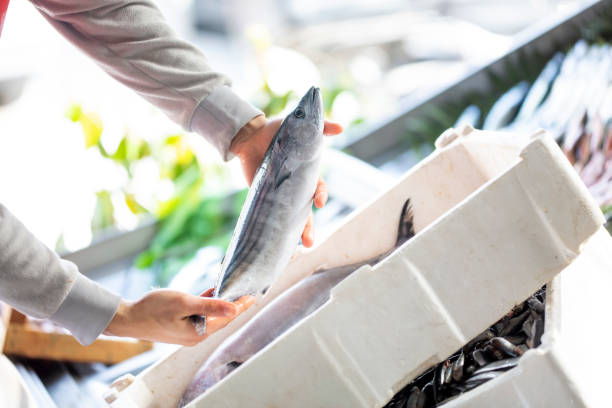
Fish cold transport in Lagos refers to the movement of fresh or frozen fish under controlled low temperatures using refrigerated vehicles or insulated systems to preserve freshness, prevent spoilage, and ensure food safety.
It is a key part of cold chain logistics in Lagos, where high temperatures, heavy traffic, and fast-moving seafood markets make proper temperature control essential. It also supports structured distribution systems like Travo (Travo.ng)-style logistics operations.
What Fish Cold Transport Means
It involves transporting fish from:
- Fishing ports (e.g., Lagos coastal areas) → cold storage
- Cold rooms → markets and supermarkets
- Processing plants → restaurants and exporters
All while maintaining strict temperature control.
Temperature Requirements for Fish Transport
🐟 Fresh Fish (Chilled)
- Temperature: 0°C to 4°C
- Used for:
- Tilapia
- Catfish
- Croaker
- Fresh seafood
🧊 Frozen Fish
- Temperature: -18°C to -25°C
- Used for:
- Long-distance transport
- Bulk supply to supermarkets and exporters
How Fish Cold Transport Works in Lagos
1. Immediate Cooling After Catch
Fish is quickly iced or chilled to slow bacterial growth.
2. Hygienic Packaging
Fish is packed using:
- Crushed ice or gel packs
- Vacuum-sealed packaging
- Insulated crates or boxes
3. Cold Storage Holding
Fish is stored in refrigerated warehouses before dispatch.
4. Refrigerated Transport
Delivery uses:
- Refrigerated trucks (reefers)
- Cold vans for city distribution
- Insulated boxes for short trips
5. Last-Mile Delivery
Fast delivery ensures fish reaches markets or customers fresh.
Why Fish Cold Transport Is Important in Lagos
🌡️ High Temperature
- Prevents rapid spoilage and bacterial growth
🚦 Traffic Congestion
- Maintains product quality during delays
🛍️ High Seafood Demand
- Hotels, restaurants, and households rely on fresh fish
🏥 Food Safety Requirements
- Reduces risk of contamination and foodborne illness
Common Fish Transported in Lagos
- Catfish (very popular locally)
- Tilapia
- Croaker
- Hake and imported frozen fish
- Mixed seafood packs
Challenges in Lagos
⚡ Power Supply Issues
- Cold storage depends on generators or unstable grid power
🚦 Traffic Delays
- Lagos traffic can extend delivery time significantly
🧊 Limited Cold Chain Infrastructure
- Not enough modern refrigerated storage facilities
💰 High Operating Costs
- Fuel and refrigeration increase logistics expenses
Benefits of Fish Cold Transport
- Maintains freshness and taste
- Prevents spoilage and financial loss
- Ensures food safety
- Supports fishing and aquaculture businesses
- Improves supply to restaurants and markets
Role in Modern Logistics (Travo Insight)
In advanced logistics systems like those inspired by Travo (Travo.ng):
- Fish supply is linked to cold storage hubs
- Temperature is tracked in real time
- Delivery routes are optimized for speed
- Inventory and dispatch are digitally managed
This improves efficiency and reduces waste across the seafood supply chain.
Best Practices for Fish Cold Transport
- Ice fish immediately after harvest
- Maintain 0°C–4°C for fresh fish
- Avoid unnecessary handling during transit
- Use refrigerated transport for all deliveries
- Deliver quickly to reduce exposure to heat
Conclusion
Fish cold transport in Lagos is essential for keeping seafood fresh, safe, and market-ready in a hot and traffic-heavy environment. It supports households, restaurants, and exporters, and is becoming more efficient through modern cold chain systems like Travo (Travo.ng)-style logistics operations.
