


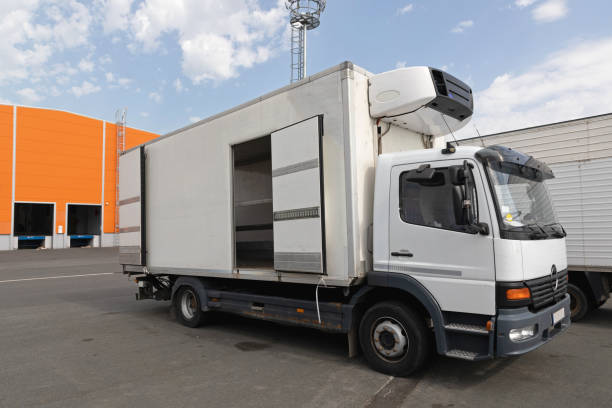
A cold delivery vehicle in Lagos refers to a refrigerated or temperature-controlled vehicle used to transport perishable goods within Lagos while maintaining freshness, safety, and product quality.
It is a core part of urban cold chain logistics, especially important in Lagos due to heat, heavy traffic, and fast-moving demand for food, medicine, and agricultural products. It also supports structured logistics systems like Travo (Travo.ng)-style operations.
What a Cold Delivery Vehicle Is
A cold delivery vehicle is equipped with:
- Built-in refrigeration system
- Insulated cargo space
- Adjustable temperature controls
- Sometimes GPS and temperature tracking
It ensures goods stay within a safe temperature range during delivery.
Types of Cold Delivery Vehicles in Lagos
🚐 Cold Vans (Most Common)
- Used for: short city deliveries
- Ideal for: restaurants, pharmacies, supermarkets
- Temperature: 0°C to 8°C
🚚 Refrigerated Trucks
- Used for: bulk or longer-distance deliveries
- Ideal for: wholesalers and distributors
- Temperature: -18°C to 8°C
🚛 Heavy Reefer Trucks
- Used for: large-scale logistics and intercity transport
- Ideal for: import/export distribution
- Temperature: -25°C to 8°C
What Cold Delivery Vehicles Transport
🥩 Food Products
- Meat
- Fish
- Poultry
- Dairy products
💉 Pharmaceutical Products
- Vaccines
- Medicines
- Insulin
- Lab samples
🌾 Agricultural Produce
- Fruits
- Vegetables
- Fresh farm produce
🍦 Frozen Goods
- Ice cream
- Frozen foods
- Packaged meals
Why Cold Delivery Vehicles Are Important in Lagos
🌡️ High Temperature Environment
- Prevents spoilage in hot weather
🚦 Traffic Conditions
- Maintains product quality during delays
🛍️ Growing Food & Pharma Demand
- Supports supermarkets, restaurants, and hospitals
🏥 Healthcare Distribution
- Ensures safe delivery of vaccines and drugs
How Cold Delivery Vehicles Work
1. Pre-Cooling
Vehicle is cooled before loading goods.
2. Loading
Products are carefully loaded to maintain temperature stability.
3. Temperature-Controlled Transport
Cooling system runs continuously during delivery.
4. Monitoring (Advanced Systems)
Some vehicles use:
- Temperature sensors
- GPS tracking
- Real-time alerts
5. Delivery
Goods are delivered quickly to reduce exposure to heat.
Benefits of Cold Delivery Vehicles in Lagos
- Maintains freshness and safety
- Reduces food and medicine spoilage
- Supports fast urban logistics
- Improves public health and food safety
- Enables reliable supply chains
Challenges in Lagos
🚦 Traffic Congestion
- Delays can affect temperature control
⚡ Fuel Costs
- Refrigeration systems increase operating expenses
🧊 Limited Fleet Availability
- Demand often exceeds supply
💰 High Rental/Operating Costs
- Maintenance and fuel are expensive
Role in Modern Logistics (Travo Insight)
In structured logistics systems like those inspired by Travo (Travo.ng):
- Cold delivery vehicles are integrated into smart fleet systems
- Routes are optimized to avoid traffic delays
- Temperature is monitored in real time
- Cold storage is connected to delivery networks
This improves efficiency and reduces spoilage in Lagos logistics.
Best Practices
- Pre-cool before loading
- Minimize door opening during delivery
- Load quickly and properly
- Maintain correct temperature at all times
- Plan routes to avoid peak traffic
Conclusion
Cold delivery vehicles in Lagos are essential for safely transporting perishable goods in a hot and congested environment. They support food supply chains, pharmaceutical distribution, and agricultural logistics, and are becoming more efficient through modern systems like Travo (Travo.ng)-style operations.
