


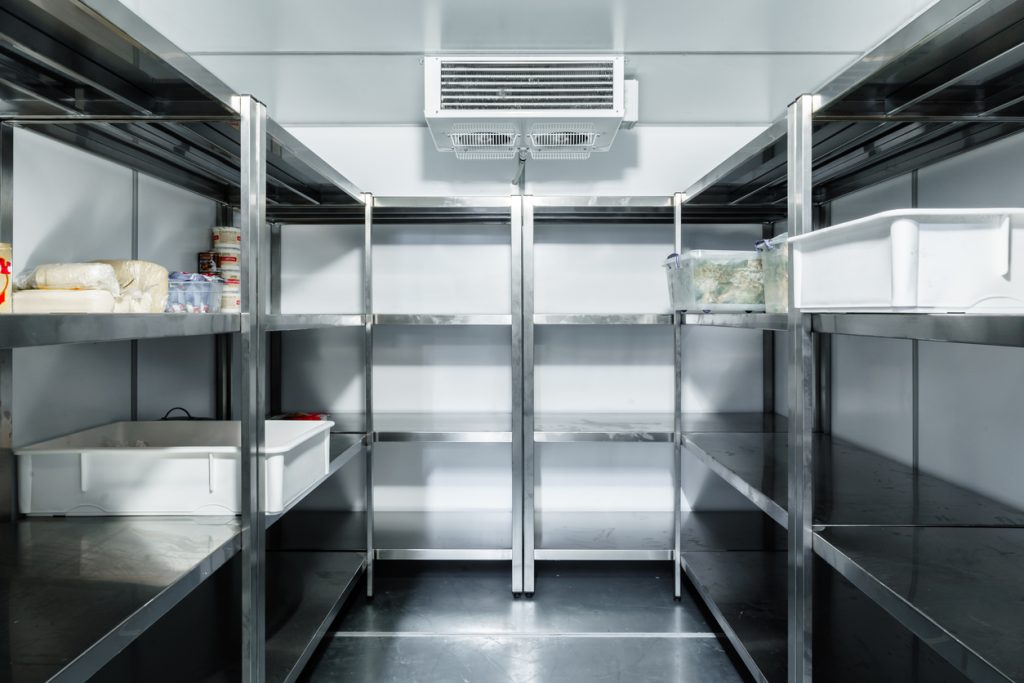
Some goods cannot be placed in an ordinary warehouse and left until a customer is ready to collect them. Food products, medicines, cosmetics, chemicals and other sensitive items may lose quality when exposed to excessive heat, humidity or sudden temperature changes.
This is why businesses use temperature controlled storage in Nigeria to protect products throughout the supply chain. The right facility does more than keep goods cold. It maintains a suitable and consistent storage environment, monitors conditions and supports safe handling from arrival to dispatch.
For importers, pharmacies, restaurants, supermarkets and manufacturers, choosing the wrong warehouse can lead to damaged stock, customer complaints and significant financial losses.
Products That Need More Than an Ordinary Warehouse
Not every temperature-sensitive product requires freezing. Some goods need chilled storage, while others only require a stable room temperature that prevents exposure to Nigeria’s heat.
Temperature-controlled facilities are commonly used for:
- Fresh and frozen food
- Dairy products and beverages
- Vaccines and pharmaceutical products
- Skincare and cosmetic ingredients
- Flowers and agricultural produce
- Laboratory materials
- Certain chemicals and industrial products
A chocolate distributor, for example, may not need a freezer. However, leaving cartons in a poorly ventilated warehouse during a hot Lagos afternoon can affect their appearance and quality.
The storage conditions should therefore be based on the product specification, not simply whether the warehouse has air conditioning.
What Happens When Storage Temperatures Are Unstable
Temperature-sensitive goods can deteriorate before the damage becomes visible. Frozen products may partially thaw during a power failure and then refreeze when electricity returns. Although the packaging may appear normal, the product’s quality and safety may already be compromised.
Medicines can also lose effectiveness when stored outside their recommended temperature range. Cosmetics may separate, change texture or develop an unusual smell after prolonged exposure to heat.
Businesses should ask how a facility handles:
- Power outages
- Temperature fluctuations
- Equipment failure
- Emergency product transfers
- After-hours alarms
- Loading and unloading delays
Reliable cold storage in Nigeria requires backup systems and active monitoring, especially in areas where public electricity supply is inconsistent.
What to Check Before Booking Storage Space
Before moving goods into a warehouse, confirm the exact conditions the operator can maintain. A facility described as “cold” may not necessarily meet the requirements of your products.
Ask for clear information about:
- The available temperature ranges
- How often temperatures are recorded
- Whether backup generators operate automatically
- How quickly faults are reported
- Whether goods are insured while in storage
- How pest control and cleaning are managed
- Whether inventory can be tracked by batch and expiry date
You should also inspect the loading area. Long delays between a refrigerated truck and the storage room can expose goods to heat, particularly during afternoon deliveries in Lagos, Port Harcourt or Abuja.
Planning Deliveries Into Temperature Controlled Storage
Storage is only one part of the cold chain. Products can still be damaged if they arrive in an unsuitable vehicle or remain outside while warehouse staff verify documents.
Businesses should schedule deliveries before the vehicle leaves the supplier or port. The warehouse should know the expected arrival time, product quantity, required temperature and unloading method.
For imported frozen food arriving through Apapa, delays may occur during port clearance or movement through Lagos traffic. Using refrigerated transport and coordinating the warehouse in advance reduces the time goods spend waiting at the gate.
Travo.ng can help businesses arrange cargo movement, suitable transport and delivery coordination for products going into temperature-controlled facilities.
How Storage Charges Are Usually Calculated
The cost of temperature-controlled warehousing depends on more than the number of cartons being stored. Pricing may be based on pallet space, cubic metres, product weight or the number of days the goods remain in the facility.
Other charges may include:
- Receiving and unloading
- Inventory handling
- Palletisation
- Order picking
- Temperature reporting
- Dispatch and delivery
- Weekend or after-hours access
Request a detailed quotation before booking. A cheaper daily rate may become expensive when handling and electricity-related charges are added later.
Protect Sensitive Stock With Travo.ng
Reliable temperature controlled storage in Nigeria helps businesses preserve product quality, reduce waste and meet customer expectations. The best arrangement combines suitable warehousing with proper transport, planned deliveries and clear inventory control.
Travo.ng supports businesses with cargo logistics, refrigerated transport coordination, delivery services and practical storage arrangements across Nigeria. Whether you need space for food products, pharmaceuticals or other sensitive goods, Travo.ng can help organise a solution that matches the product’s handling requirements from pickup to final delivery.
