


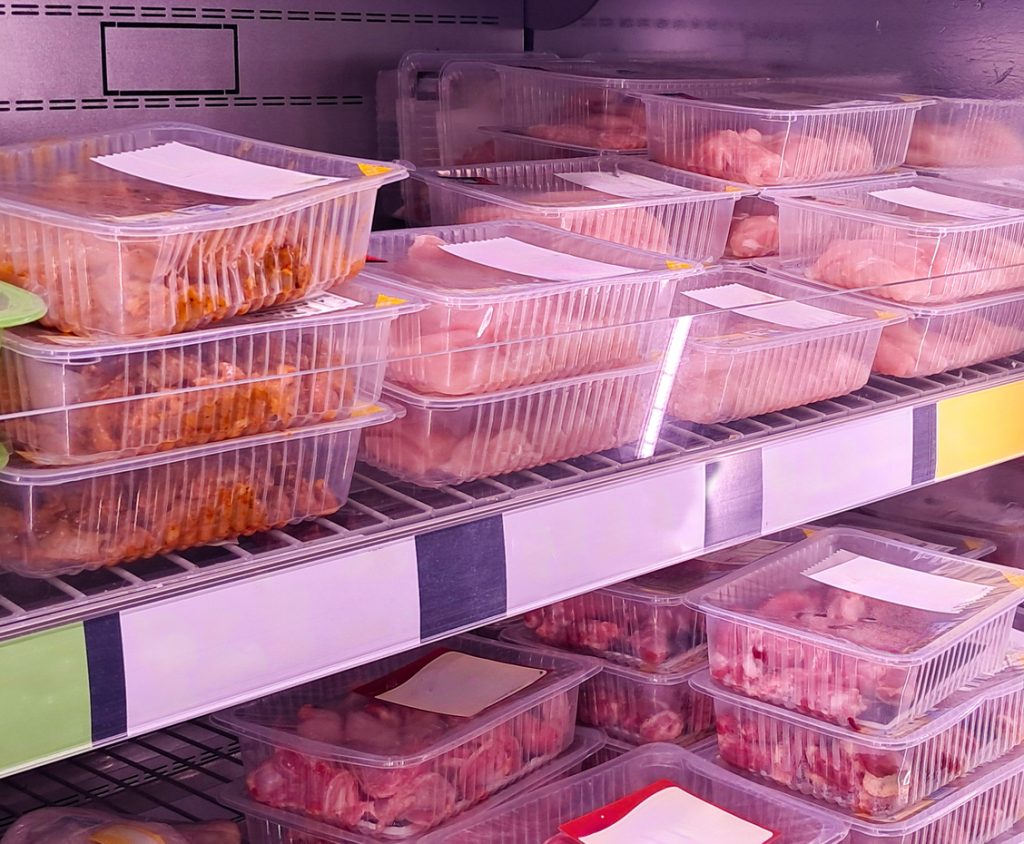
Harvesting fresh produce is only the first part of getting food to market. The bigger challenge for many farmers is keeping crops fresh between the farm, collection centre, distributor and final buyer.
Without proper farm cold storage in Nigeria, vegetables, fruits, dairy products, meat and other temperature-sensitive goods can begin losing quality within hours. Heat exposure, delayed transport and poor handling can turn a profitable harvest into a major loss before it reaches customers.
Cold storage gives farmers, aggregators and food businesses more control over when and where they sell their products. It also reduces the pressure to accept low prices simply because produce must be sold immediately.
What Happens When Produce Stays Too Long in the Heat
Nigeria’s warm climate makes post-harvest handling difficult, especially during the dry season. Tomatoes loaded into open vehicles in Kano, peppers transported from Kaduna or leafy vegetables moved from farms around Jos can deteriorate quickly if they remain under direct sunlight.
The risk becomes higher when vehicles are delayed by traffic, road conditions or long waiting times at markets.
Common signs of poor temperature control include:
- Softening fruits and vegetables
- Discolouration and loss of freshness
- Rapid ripening
- Mould growth
- Bad odour
- Reduced shelf life
- Rejection by supermarkets and food processors
Farmers may still be able to sell affected produce, but usually at a lower price. In severe cases, the entire consignment may be discarded.
The Right Storage Temperature Depends on the Product
Farm cold storage is not simply about making a room as cold as possible. Different products require different temperature and humidity conditions.
Tomatoes, peppers and cucumbers should not necessarily be stored at the same temperature as frozen poultry or fish. Some fruits can also suffer chilling damage when placed in conditions that are too cold.
Before booking storage, the operator should know:
- The type of produce
- The quantity being stored
- The condition of the goods at arrival
- The required storage duration
- The ideal temperature range
- Whether the goods need freezing or chilling
- How quickly the products will be collected
Providing this information helps prevent incorrect storage and makes it easier to select a suitable cold room.
How Farmers Use Cold Storage to Avoid Distress Sales
During peak harvest periods, markets can become flooded with the same produce. When supply is higher than demand, prices fall quickly.
A tomato farmer may arrive at Mile 12 Market in Lagos and discover that traders are offering far less than expected. Without storage, the farmer may have little choice but to accept the price because the produce cannot remain in the vehicle for long.
With access to cold storage, the goods can be preserved while the farmer contacts other buyers, restaurants, supermarkets or food-processing companies. This flexibility can help reduce losses and improve negotiating power.
Cold rooms are also useful for cooperatives that collect produce from several farms before transporting it in bulk.
Storage Alone Will Not Protect Poorly Handled Produce
Cold storage works best when products are prepared correctly before arrival. Damaged, overripe or contaminated produce will not become fresh again simply because it enters a cold room.
Farmers and distributors should:
- Harvest produce at the appropriate maturity level.
- Remove visibly damaged items before packing.
- Use clean, ventilated crates instead of overfilled sacks.
- Keep produce away from direct sunlight.
- Reduce the delay between harvesting and cooling.
- Avoid mixing products with incompatible storage needs.
For larger consignments, pre-cooling may be required to remove field heat before long-term storage.
What to Check Before Booking Farm Cold Storage
Before paying for a facility, confirm that the storage conditions are suitable for your goods.
Ask about backup power, temperature monitoring, hygiene procedures, pest control, loading access and security. You should also confirm whether charges are calculated per crate, pallet, kilogram, square metre or storage period.
Reliable facilities should have a clear process for receiving, recording and releasing goods. Businesses handling meat, dairy or frozen foods should also check that the cold chain remains uninterrupted during loading and collection.
Arrange Cold Storage and Transport With Travo.ng
Finding farm cold storage in Nigeria is easier when storage and transportation are planned together. Produce can still spoil if it leaves a cold room and spends several hours in an unsuitable vehicle.
Travo.ng helps farmers, food distributors, cooperatives and agribusinesses coordinate cold storage, refrigerated transport, cargo movement and delivery services across Nigeria. Support can be arranged for produce moving from farms to warehouses, markets, restaurants, supermarkets or processing facilities.
By planning storage early and using suitable transport, agricultural businesses can reduce spoilage, protect product quality and deliver fresher goods to customers.
