


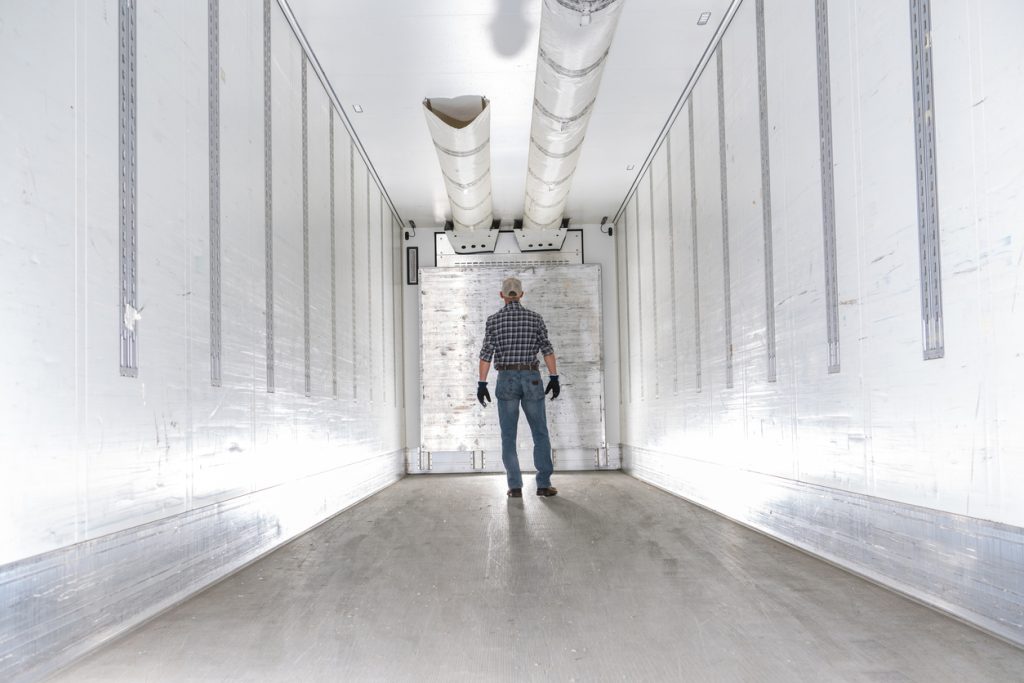
Moving frozen food, vaccines, dairy products or temperature-sensitive ingredients across Nigeria is not the same as transporting ordinary cargo. A delivery can arrive on time and still be rejected if the required temperature was not maintained during loading, transit or offloading.
Reliable cold chain distribution in Nigeria depends on coordinated storage, suitable vehicles, realistic route planning and careful handling at every transfer point. For importers, supermarkets, pharmacies, restaurants and food manufacturers, one weak stage can lead to spoilage, customer complaints and significant financial loss.
Travo.ng helps businesses coordinate refrigerated transport, cold storage and delivery arrangements based on the type of product, destination and temperature requirements involved.
What Can Go Wrong Between Pickup and Delivery
Cold chain failures often happen during short periods that appear harmless. A refrigerated vehicle may be working properly, but the goods could remain outside the cold room for too long while workers complete documentation or arrange loading.
Temperature-sensitive cargo may also be damaged when:
- The vehicle is not pre-cooled before loading
- Frozen and chilled products are transported together
- Doors are opened repeatedly during multiple deliveries
- Goods are packed too tightly for proper airflow
- The journey takes longer than planned
- The receiving location is not ready to unload
- Power fails at a temporary storage facility
A frozen-food distributor moving products from Apapa to supermarkets in Lekki, Ikeja and Surulere must plan each stop carefully. Every additional door opening allows warm air into the cargo area and increases the pressure on the cooling system.
Choosing the Right Temperature for the Product
Different products require different handling conditions. Frozen poultry should not be transported using the same settings as fresh vegetables, dairy products or certain medicines.
Before booking cold chain transport, the sender should confirm:
- The required temperature range
- Whether the goods are frozen, chilled or cool
- How long they can remain outside controlled storage
- The type of packaging required
- Whether temperature records are needed
- The correct loading and offloading procedure
These details should be shared before a vehicle is assigned. Simply requesting a “cold van” is not enough because the provider needs to understand the actual product requirements.
Lagos Traffic Can Affect More Than Delivery Time
Traffic delays are a major operational concern for cold chain distribution in Nigeria. A journey from Ikeja to Victoria Island may take less than an hour during light traffic but considerably longer during peak periods or heavy rainfall.
For interstate deliveries, congestion around Lagos, road conditions and delays near major towns must be included in the schedule. A refrigerated truck travelling from Lagos to Abuja may also need planned fuel stops and contingency support in case of a breakdown.
The transport provider should consider:
- Expected travel time under normal conditions
- Additional time for traffic and checkpoints
- Fuel availability along the route
- Vehicle maintenance condition
- Backup arrangements if refrigeration fails
- Receiving hours at the destination
A delivery planned only around the shortest estimated journey can quickly become risky when Nigerian road conditions change.
Loading and Offloading Need Proper Coordination
Many cold chain problems occur while the vehicle is stationary. The receiving team may not have space available, the cold room may still be full or payment confirmation may delay offloading.
Businesses should confirm that the destination is ready before dispatching the vehicle. Staff, storage space and handling equipment should be available when the shipment arrives.
Products should also be arranged so that goods for the first stop are easily accessible. This reduces the time spent searching through the vehicle while the doors remain open.
For multi-location deliveries, clear labelling and a properly arranged manifest help drivers complete each stop faster.
What Affects Cold Chain Distribution Costs
The cost of refrigerated distribution depends on more than distance. A short delivery with several stops may cost more than a direct trip covering a longer route.
Pricing is usually influenced by:
- Vehicle type and capacity
- Required temperature range
- Pickup and delivery locations
- Number of stops
- Duration of the hire
- Waiting time during loading or offloading
- Need for cold storage before dispatch
- Interstate permits or special handling requirements
Providing complete information from the beginning allows the logistics team to recommend a suitable vehicle and prepare a more accurate quotation.
Arrange Temperature-Controlled Logistics With Travo.ng
Successful cold chain distribution in Nigeria requires more than placing goods inside a refrigerated vehicle. The storage point, vehicle condition, route, packaging and receiving team must work together to protect the shipment.
Travo.ng supports businesses with refrigerated transport coordination, cold storage arrangements, cargo logistics and scheduled deliveries across Nigeria. Whether the shipment involves frozen food within Lagos or temperature-sensitive goods moving interstate, proper planning helps reduce spoilage and avoid preventable delays.
Booking early also gives the operations team enough time to confirm product requirements, vehicle availability and delivery conditions before the goods leave the cold room.
