


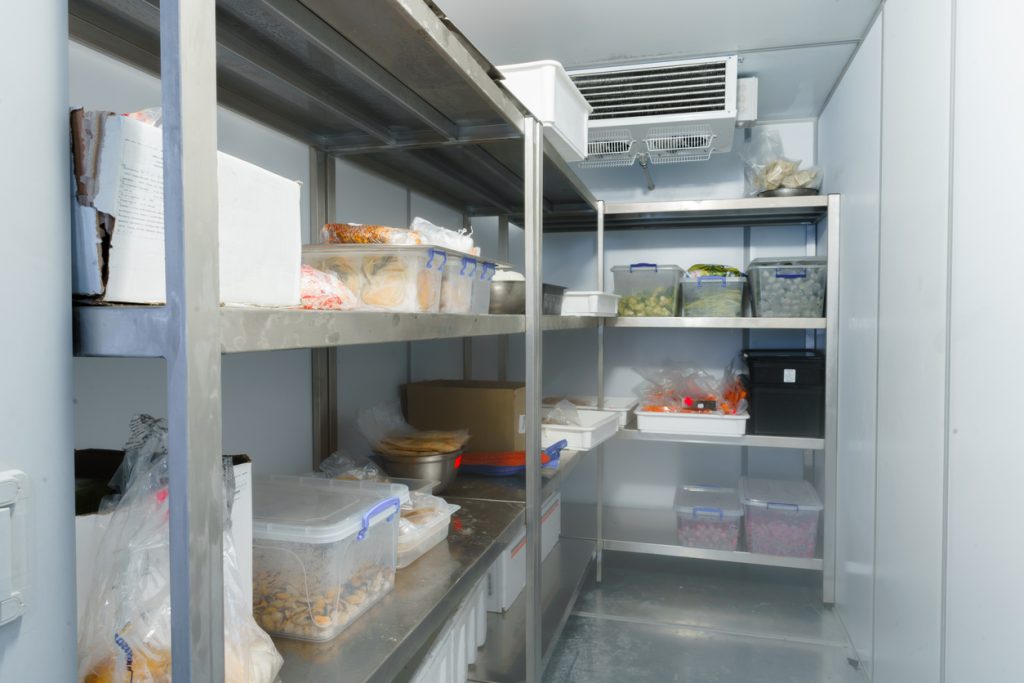
Fresh produce begins losing quality almost immediately after harvest, especially under Nigeria’s high temperatures. Tomatoes harvested in Kano, leafy vegetables grown around Jos, or fruits collected from farms in Ogun State can deteriorate quickly when they remain exposed to heat before transportation.
Using a pre cooling facility in Nigeria helps remove field heat from agricultural products before they enter cold storage, refrigerated transport or export handling. This early temperature reduction can slow spoilage, preserve freshness and improve the chances of produce reaching buyers in good condition.
For farmers, food distributors, supermarkets, exporters and hospitality suppliers, pre cooling is not an optional extra when handling temperature-sensitive products. It is an important step in maintaining an effective cold chain.
What Happens When Produce Is Not Cooled Quickly
Fresh produce continues to respire after harvesting. The warmer the product remains, the faster it loses moisture, firmness, colour and market value.
A truckload of vegetables may look healthy when leaving the farm but arrive in Lagos wilted after several hours on the road. Packing hot produce directly into a refrigerated vehicle may also create condensation and uneven cooling because the vehicle has to work harder to remove field heat.
Common problems caused by delayed cooling include:
- Rapid softening and wilting
- Mould growth and decay
- Reduced shelf life
- Weight loss from moisture evaporation
- Rejection by supermarkets or export buyers
- Lower selling prices at the destination
Pre cooling reduces these risks by bringing the product closer to its recommended storage temperature shortly after harvest.
How a Pre Cooling Facility in Nigeria Works
The cooling method depends on the type of produce, packaging and quantity involved. Some products can be cooled with cold air, while others require water-based or vacuum-assisted systems.
Forced-air cooling is commonly used for packaged fruits and vegetables. Cold air is pulled through ventilated cartons or crates, allowing the produce to cool faster than it would inside a standard cold room.
Hydro-cooling uses chilled water and may suit certain sturdy crops. Room cooling is simpler but usually takes longer, making it more suitable where speed is not the main concern.
Before booking a facility, the operator should understand:
- The type of product
- Its temperature at collection
- The required target temperature
- The volume being handled
- The packaging arrangement
- The planned departure time
- Whether refrigerated transport is available afterwards
Cooling produce without arranging the next stage of the journey can undo the entire process.
Timing Matters More Than Most Businesses Expect
Pre cooling should happen as soon as practical after harvesting. Leaving produce under the sun for several hours before moving it to a cooling centre reduces the benefit.
For example, a supplier moving strawberries from Plateau State to Abuja should coordinate harvesting, collection and cooling closely. The produce should not spend the entire afternoon waiting for a vehicle while field heat continues building inside the packaging.
The same applies to seafood, dairy products, flowers and some processed foods. Each delay between production, cooling, storage and delivery increases the risk of temperature abuse.
Businesses should plan the entire movement before harvesting or dispatch begins, not after the goods are already waiting.
What to Check Before Booking a Facility
A cold room and a pre cooling facility do not always perform the same function. A cold room is mainly designed to maintain low temperatures, while pre cooling equipment must remove heat quickly.
Ask the facility provider about:
- Available cooling methods
- Daily handling capacity
- Power backup arrangements
- Temperature monitoring procedures
- Product handling and hygiene standards
- Loading and unloading access
- Refrigerated transport connections
- Charges for cooling, storage and handling
Pricing may depend on the product volume, cooling duration, target temperature and whether temporary cold storage is also required.
Keeping the Cold Chain Intact After Cooling
Once goods leave the facility, they should move directly into suitable storage or temperature-controlled transport. Loading cooled products into a hot van or leaving them at an open loading bay can quickly reverse the progress made.
Travo.ng can support businesses with cold-chain logistics, cargo coordination, refrigerated transport arrangements and delivery planning across Nigeria. This is particularly useful for suppliers moving perishables between farms, processing centres, airports, warehouses, hotels and retail outlets.
A dependable pre cooling facility in Nigeria protects more than the product. It protects the supplier’s reputation, reduces avoidable losses and helps businesses deliver the quality their customers expect.
