


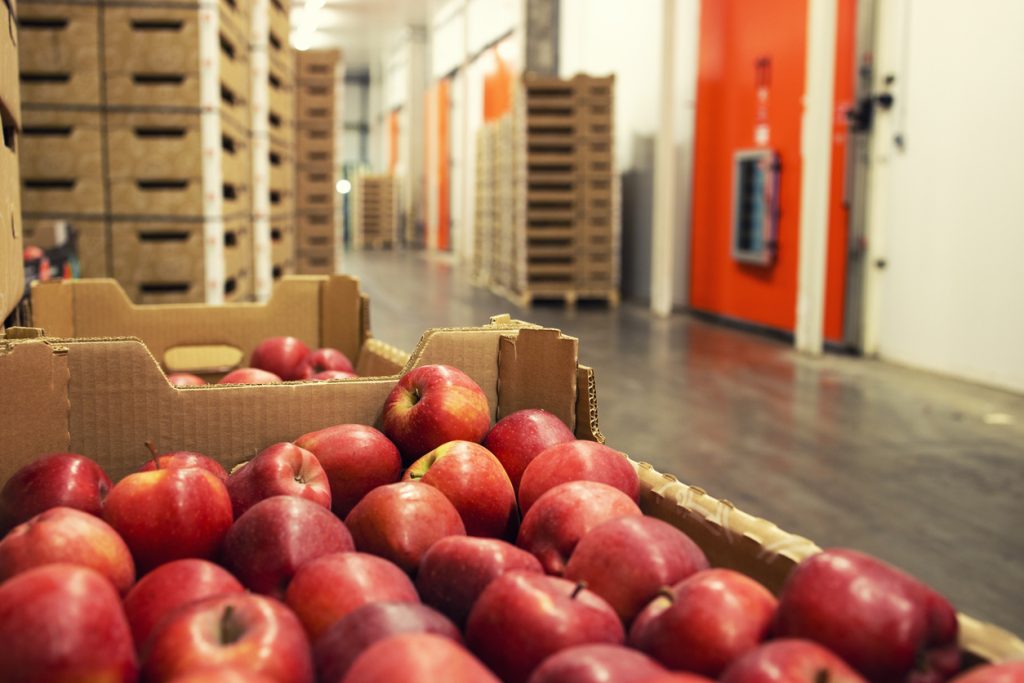
Keeping temperature-sensitive goods safe in Nigeria requires more than placing them inside an air-conditioned room. Food products, pharmaceuticals and fresh agricultural produce need controlled temperatures, dependable electricity and careful handling from pickup to storage.
A suitable cold warehouse in Nigeria helps businesses reduce spoilage, protect product quality and maintain a steady supply to customers. It is particularly important for companies handling frozen food, dairy products, meat, fish, fruits, vegetables, medicines and other products that can deteriorate quickly in Nigeria’s climate.
The right facility should match the product, expected storage period and distribution plan rather than simply offering the lowest price.
Confirm the Temperature Your Products Actually Need
Cold storage is not one standard service. Frozen products, chilled goods and fresh produce often require different temperature ranges.
Frozen fish may need storage below freezing, while vegetables can suffer damage if kept at temperatures that are too low. Some medicines also have strict storage requirements and should not be placed in the same environment as food products.
Before booking space, provide the warehouse operator with clear information about:
- The type of goods being stored
- Required temperature range
- Number of cartons, pallets or tonnes
- Expected storage duration
- Delivery and collection frequency
- Any special hygiene or handling requirements
Providing inaccurate information can result in spoilage even when the cold room itself is functioning properly.
Reliable Power Is as Important as Storage Space
Electricity is one of the biggest operational concerns when choosing a cold warehouse in Lagos, Abuja, Port Harcourt or another Nigerian city. A prolonged outage can cause temperatures to rise and place an entire shipment at risk.
A professional facility should have backup power and a clear procedure for responding to equipment failure. Businesses should ask how temperatures are monitored, whether alerts are generated when conditions change and how often refrigeration equipment is maintained.
It is also useful to confirm whether temperature records can be provided. These records help food distributors, pharmacies and other businesses verify that their products remained within the correct range throughout storage.
What Happens Before Goods Reach the Warehouse Matters
Many products are already compromised before they arrive at the facility. Frozen poultry transported for several hours in an open van may begin to thaw, while fresh vegetables left under direct sunlight during loading can lose quality quickly.
For example, fish moved from a processing location in Port Harcourt to a distribution point in Abuja needs suitable refrigerated transport. Booking a cold warehouse at the destination will not reverse damage caused during the journey.
Businesses should coordinate pickup, loading, transportation and storage as one process. Travo.ng can assist with cargo movement, delivery scheduling and transport arrangements for temperature-sensitive goods across Nigeria.
Questions to Ask Before Booking Cold Storage
A warehouse visit or detailed inspection can prevent costly mistakes. Do not rely only on photographs or a quoted storage rate.
Ask practical questions such as:
- Is the facility licensed for the type of product?
- Is backup power available around the clock?
- How frequently are temperatures recorded?
- Are different product categories separated?
- Is pest control carried out regularly?
- Can trucks access the loading area easily?
- Are goods insured while in storage?
- What happens if the cooling system fails?
You should also check the condition of the floors, doors, drainage systems, loading areas and refrigeration units.
Storage Costs Depend on More Than Location
The cost of cold storage in Nigeria can vary based on product type, required temperature, storage duration, quantity and handling needs. Facilities may charge by pallet, crate, tonne, square metre or daily storage period.
Additional charges may apply for loading, unloading, repackaging, inventory management, after-hours access and frequent order collection.
Request a complete quotation before moving your goods. A low headline rate may become expensive once handling, electricity and access charges are added.
Businesses should compare the total cost with the value of the goods and the financial risk of spoilage.
Arrange Cold Storage and Transport Through Travo.ng
Booking the right cold warehouse in Nigeria protects more than inventory. It helps businesses serve customers consistently, reduce waste and avoid losses caused by poor temperature management.
Travo.ng helps farmers, food distributors, pharmaceutical suppliers, retailers and other businesses arrange storage, cargo transport and delivery support. Services can be coordinated around the quantity of goods, required temperature and destination.
By planning refrigerated transport and cold storage together, businesses can maintain product quality from pickup to final distribution.
