


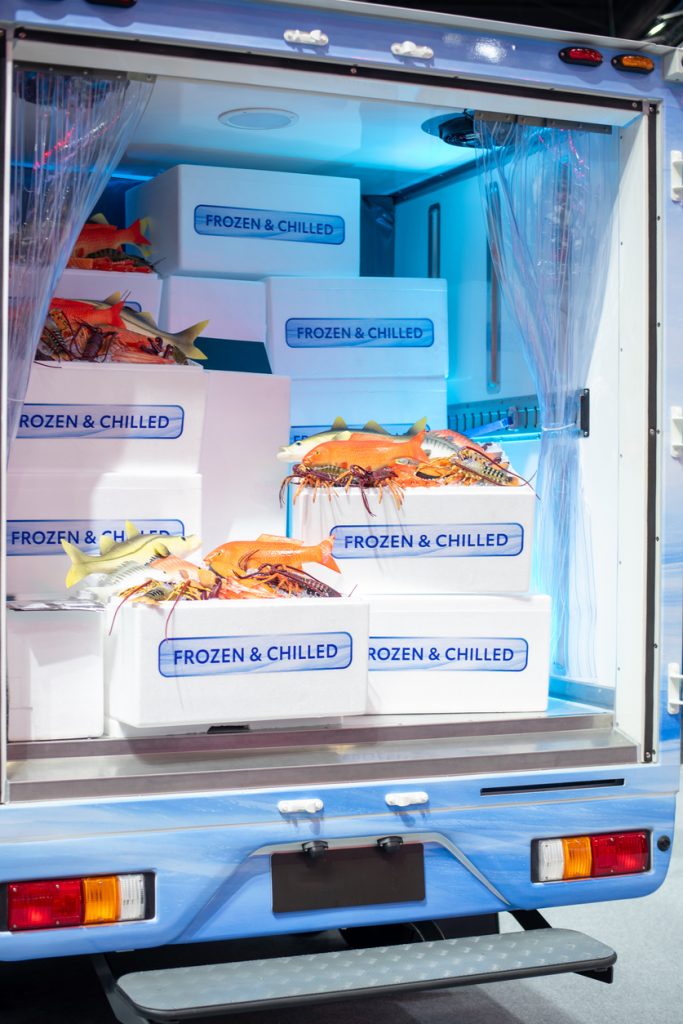
Temperature-sensitive products can lose their value quickly when they are stored or transported under the wrong conditions. Frozen food may begin to thaw, vegetables can wilt, and medicines may become unsafe if the required temperature is not maintained.
Booking a dependable cold chain warehouse in Nigeria helps businesses protect these products between production, importation, distribution and final delivery. It is especially important for food suppliers, pharmaceutical companies, supermarkets, restaurants, agricultural businesses and healthcare organisations.
However, a cold room alone is not enough. Businesses must consider temperature requirements, backup power, inventory control, handling procedures and refrigerated transport before choosing a facility.
The Products That Usually Need Cold Storage
Different products require different temperature ranges. Frozen chicken cannot be stored under the same conditions as fresh vegetables or certain pharmaceutical products.
Cold chain warehouses are commonly used for:
- Frozen meat, poultry and seafood
- Fresh fruits and vegetables
- Dairy products
- Ice cream and frozen snacks
- Vaccines and temperature-sensitive medicines
- Processed foods and beverages
- Agricultural produce
- Catering and restaurant supplies
Before placing goods in storage, confirm whether they require chilled, frozen or controlled ambient conditions. The facility should be able to maintain the correct temperature consistently rather than offering one general cold room for every product.
What Happens When the Temperature Is Interrupted
One of the biggest cold-chain risks in Nigeria is an interruption caused by power failure, equipment faults or delays during loading.
For example, frozen products arriving at a Lagos warehouse may remain inside an unrefrigerated truck while staff wait for space or documentation. Even if the products are eventually moved into a freezer, the quality may already have been affected.
A reliable facility should have backup generators, temperature monitoring equipment and clear procedures for receiving goods quickly. Businesses should also ask how frequently temperature records are checked and what happens when readings move outside the approved range.
Cold-chain management must continue from the pickup point to the warehouse and onward to the customer.
Questions to Ask Before Booking a Warehouse
Choosing the cheapest available space can become expensive if products are damaged. Before booking a cold chain warehouse in Nigeria, ask practical questions about how the facility operates.
Important checks include:
- What temperature ranges are available?
- Is backup power available at all times?
- How are temperature changes recorded?
- Is the facility regularly cleaned and maintained?
- Are products separated by category?
- Is access restricted to authorised personnel?
- Can refrigerated vehicles load and unload easily?
- Is stock monitored using an inventory system?
Businesses handling food should also inspect the cleanliness of storage areas, loading bays, pallets and handling equipment. Pharmaceutical companies may require additional documentation and stricter temperature records.
Planning Refrigerated Transport to the Warehouse
A good warehouse cannot compensate for poor transportation. Products must reach the facility in suitable condition.
Moving frozen fish from Port Harcourt to Abuja, for instance, requires a refrigerated vehicle that can maintain the correct temperature throughout the journey. Using an ordinary van with ice blocks may not be suitable for a long-distance commercial shipment.
Transport schedules should also account for traffic and loading delays. Deliveries into Lagos may be planned outside peak traffic periods where possible, especially when travelling through Apapa, Oshodi, Ikeja or the Lekki corridor.
Travo.ng can help coordinate refrigerated transport, cargo movement and delivery schedules so that temperature-sensitive products spend less time waiting during transit.
How Businesses Can Control Cold Storage Costs
Cold storage is usually more expensive than standard warehousing because refrigeration equipment must run continuously. The total cost may depend on space used, product volume, temperature range, storage duration and handling requirements.
Businesses can control costs by:
- Confirming demand before storing large quantities
- Using suitable packaging and stackable containers
- Removing damaged products before storage
- Tracking expiry dates and stock movement
- Avoiding unnecessary long-term storage
- Scheduling pickups before extra charges apply
Using a first-expiry, first-out system is particularly useful for food and pharmaceutical products with limited shelf lives.
Arrange Cold Storage and Logistics With Travo.ng
A dependable cold chain warehouse in Nigeria should protect products from temperature changes, contamination, theft and avoidable delays. Businesses should look beyond storage space and consider the complete movement of goods from pickup to final delivery.
Travo.ng supports businesses with cold-chain transport coordination, cargo logistics, delivery services and suitable storage arrangements across Nigeria.
With properly planned warehousing and refrigerated distribution, companies can reduce spoilage, maintain product quality and deliver temperature-sensitive goods to customers with greater confidence.
