


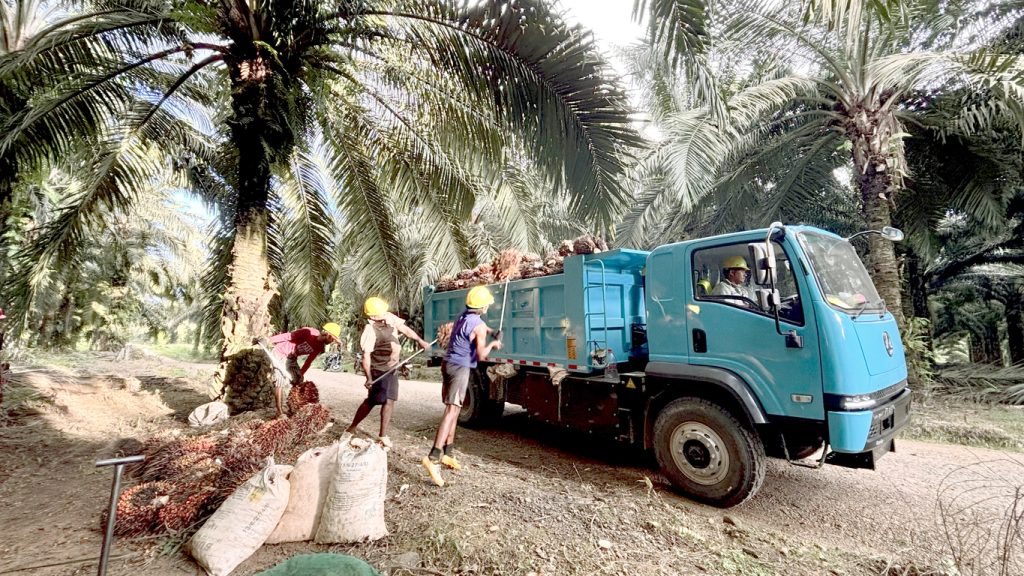
Fresh tomatoes leaving a farm in Kano can lose quality before reaching a market in Lagos if they spend too long in a hot, poorly ventilated truck. This is one of the biggest challenges facing farmers, food distributors, and agricultural businesses.
A reliable agricultural cold chain in Nigeria helps preserve perishable produce during storage, handling, and transportation. From vegetables and fruits to dairy products and frozen foods, temperature management reduces spoilage and protects product quality.
For businesses moving agricultural products between Nigerian states, proper logistics planning is just as important as having refrigerated equipment.
Where Farmers Lose Produce Before Reaching the Market
Many agricultural losses happen between harvesting and delivery rather than on the farm itself.
Consider a tomato supplier transporting produce from Kano to Mile 12 Market in Lagos. The journey can take more than a day, depending on road conditions, loading delays, and traffic.
Without suitable temperature management, tomatoes may soften, bruise, or deteriorate before reaching buyers.
Common problems include:
- Leaving harvested produce under direct sunlight.
- Using unsuitable vehicles for perishable goods.
- Delaying transportation after harvesting.
- Poor packaging that restricts airflow or damages produce.
- Keeping products too long at loading points.
These problems become more serious during hot weather and long interstate journeys.
How Agricultural Cold Chain in Nigeria Works
An effective cold chain involves maintaining suitable product temperatures from collection until delivery.
Different agricultural products require different handling conditions.
Leafy vegetables generally need rapid cooling, while tomatoes require careful temperature selection to prevent chilling damage.
Frozen poultry must remain frozen throughout transportation, while fresh dairy products require consistent refrigeration.
The process usually involves harvesting, sorting, packaging, pre-cooling where necessary, refrigerated storage, temperature-controlled transportation, and timely delivery.
Importantly, refrigerated trucks should maintain the required temperature rather than compensate for produce that was never properly cooled.
Moving Farm Produce From Northern Nigeria to Southern Markets
Nigeria’s agricultural distribution network depends heavily on interstate road transportation.
Farm produce regularly moves from Kano, Kaduna, Plateau, and Benue to commercial markets in Lagos, Abuja, and Port Harcourt.
However, road congestion, vehicle breakdowns, and loading delays can disrupt delivery schedules.
A distributor moving vegetables from Jos to Lagos should confirm vehicle availability, loading arrangements, temperature requirements, and the receiving market’s operating hours before dispatch.
Travo.ng supports businesses with cargo logistics and transport coordination, helping agricultural suppliers plan deliveries and discuss suitable vehicle arrangements for their products.
What Determines Cold Chain Transportation Costs?
The cost of refrigerated agricultural transportation depends on several practical factors.
These include distance, vehicle capacity, refrigeration requirements, fuel consumption, loading arrangements, and delivery urgency.
A small vegetable distributor transporting produce within Lagos will have different requirements from a wholesaler moving several tonnes of fresh food from Kano to Port Harcourt.
Businesses should request quotations based on actual cargo volume, product temperature requirements, pickup location, and delivery destination.
Combining compatible shipments can sometimes reduce transportation costs, provided temperature and handling requirements remain suitable.
How Agricultural Businesses Can Reduce Spoilage
Successful cold chain operations require planning before produce leaves the farm.
Farmers and distributors should confirm buyer readiness, use appropriate packaging, inspect transportation equipment, and minimise unnecessary loading delays.
Temperature records can also help businesses identify problems during transit.
For agricultural suppliers managing regular deliveries, Travo.ng offers logistics coordination and business delivery support to help organise cargo movement across Nigeria.
Protecting farm produce starts with better transportation decisions. With appropriate temperature control, careful handling, and dependable logistics planning, Nigerian agricultural businesses can reduce avoidable losses and deliver fresher products to customers.
Contact Travo.ng to discuss your agricultural cargo requirements and arrange suitable transport logistics.
Is this conversation helpful so far?
