


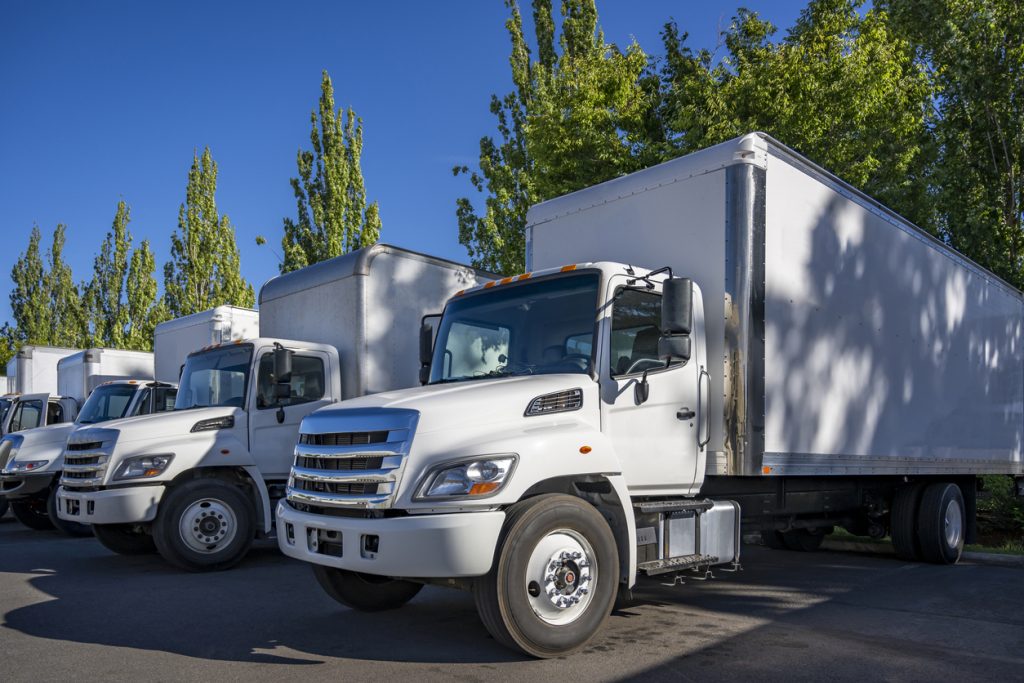
Hands-off logistics asset ownership solutions refer to structured investment and management models where individuals or institutions own transportation assets—such as trucks, vans, and cargo fleets—while a professional operator handles all day-to-day logistics operations, maintenance, demand sourcing, and performance reporting.
In Nigeria, this model is becoming increasingly relevant as logistics demand grows across Lagos, Abuja, Port Harcourt, and major industrial corridors, but operational complexity makes direct fleet management difficult for most investors.
The idea is simple: you provide the capital and own the asset, while a professional system runs it like a business.
Why Investors Prefer Hands-Off Logistics Ownership
Owning logistics assets directly often looks profitable on paper, but in practice it comes with heavy operational pressure.
Investors typically struggle with:
- Managing drivers and dispatch schedules
- Finding consistent logistics demand
- Handling fuel and maintenance unpredictability
- Tracking asset performance and profitability
- Dealing with downtime and inefficiencies
- Scaling beyond a small number of vehicles
Hands-off solutions remove these operational burdens completely.
What Hands-Off Logistics Asset Ownership Actually Means
This model is built on three core layers:
1. Asset Ownership Layer
The investor owns physical logistics assets such as:
- Freight trucks for interstate cargo
- Delivery vans for urban logistics
- Specialized transport equipment
- Mixed fleet portfolios for diversified logistics exposure
The asset remains part of the investor’s portfolio.
2. Operational Management Layer
A professional logistics operator handles all execution:
- Driver recruitment, supervision, and scheduling
- Dispatch planning and route optimization
- Load matching and delivery coordination
- Daily fleet monitoring and execution control
The investor is not involved in operations.
3. Demand and Revenue Layer
The system connects assets to real logistics demand from:
- FMCG distribution companies
- E-commerce and retail platforms
- Manufacturing supply chains
- Interstate freight and cargo networks
This ensures consistent utilization and income flow.
How Returns Are Generated in Hands-Off Models
Returns are not based on ownership alone but on active deployment:
- High vehicle utilization across logistics corridors
- Efficient routing and reduced empty trips
- Strong logistics demand pipelines
- Controlled operational and maintenance costs
- Consistent contract-based logistics work
Common high-demand routes in Nigeria include:
- Lagos ↔ Abuja freight corridor
- Lagos ↔ Port Harcourt industrial logistics
- Lagos ↔ Ibadan FMCG distribution
- Northern agricultural logistics routes
- Lekki industrial export supply chains
Why Nigeria Is Ideal for Hands-Off Logistics Investment
Nigeria presents strong conditions for logistics investment:
- Heavy reliance on road freight for goods movement
- Rapid growth in FMCG and retail distribution
- Expanding e-commerce and delivery demand
- Large-scale interstate trade activity
- Infrastructure gaps creating strong logistics outsourcing demand
However, these opportunities only perform well when professionally managed.
Risks Without Hands-Off Systems
Investors who try to manage logistics assets directly often face:
- Low utilization and idle vehicles
- Poor coordination and operational inefficiencies
- High maintenance and fuel costs
- Unstable revenue and demand flow
- Difficulty scaling operations
Most underperformance comes from operations—not lack of demand.
The Role of Technology in Hands-Off Logistics Systems
Modern systems rely heavily on digital tools:
- GPS tracking for real-time asset monitoring
- Dispatch and logistics coordination platforms
- Route optimization systems
- Predictive maintenance tools
- Investor reporting dashboards
Technology ensures transparency and operational efficiency without investor involvement.
How Travo.ng Supports Hands-Off Logistics Asset Ownership
Within Nigeria’s logistics ecosystem, Travo.ng supports the execution layer that enables logistics assets to operate efficiently in real-world demand environments.
Travo.ng assists with:
- Cargo and delivery coordination
- Transport scheduling and dispatch planning
- Fleet deployment support
- Vehicle hire and logistics arrangements
- Interstate logistics coordination
- Business logistics execution support
This helps ensure that logistics assets are consistently deployed and actively generating value in structured logistics networks.
The Future of Hands-Off Logistics Investment Models
The logistics sector is moving toward fully managed investment systems where:
- Investors focus only on capital deployment
- Professional operators manage full logistics execution
- Technology ensures visibility and optimization
- Demand is dynamically matched to asset capacity
- Logistics becomes a structured, scalable investment class
As global logistics demand continues to grow, hands-off ownership models will become the standard for transportation asset investment.
