


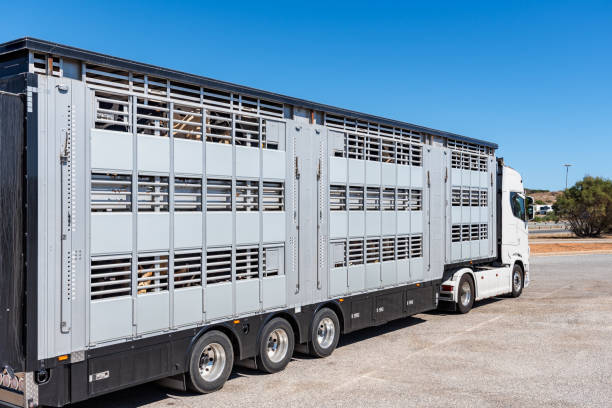
Livestock shipping in Nigeria involves moving animals such as cattle, goats, sheep, pigs and other farm animals between farms, markets, processing locations and different states. Because livestock are living cargo, transportation requires proper handling, suitable vehicles and attention to animal welfare throughout the journey.
Whether you are moving a small number of animals or arranging commercial livestock transportation, planning the route and transport conditions before departure can help reduce injuries, delays and losses.
What Livestock Shipping in Nigeria Involves
Livestock shipping can involve short domestic trips or long-distance interstate transportation. Common movements include cattle from northern livestock-producing areas to southern markets, goats and sheep between states, and animals being transferred from farms to breeding or commercial facilities.
The transport arrangement should match the species, number and size of animals being moved. Vehicles need adequate ventilation and enough space to prevent overcrowding and unnecessary stress.
The route also matters. Nigerian roads can involve traffic congestion, poor road sections, security checkpoints and unexpected delays, particularly on long interstate journeys.
Domestic Livestock Transport Across Nigeria
Most livestock movements within Nigeria are handled by road because road transport provides flexibility for farm-to-market and interstate movements.
Before moving commercial livestock, owners and transporters should confirm applicable veterinary and movement requirements. Animals may need inspection and appropriate documentation before travelling between states.
Long-distance routes such as Kano to Lagos, Kaduna to Abuja or Sokoto to southern markets require additional planning because animals may spend many hours in transit.
Transporters should consider suitable stopping arrangements, access to water where appropriate and safe loading and unloading procedures.
Preparing Livestock for Transportation
Preparation should begin before the vehicle arrives. Animals should be assessed for their condition and suitability for the planned journey.
Important considerations include:
- Veterinary checks where required
- Appropriate movement documentation
- Suitable livestock transport vehicles
- Adequate ventilation
- Safe loading facilities
- Sufficient space for the animals
- Water and feeding arrangements appropriate to the journey
- A planned route and realistic delivery time
- Proper unloading arrangements at the destination
Animals that are weak, injured or otherwise unsuitable for a particular journey may require veterinary advice before transportation.
Livestock Shipping From Northern Nigeria to Southern Markets
Nigeria has major livestock-producing and trading areas in the north, while substantial consumer markets exist in southern cities. This creates regular demand for interstate livestock transportation.
A shipment from Kano, Katsina, Sokoto, Kaduna or neighbouring areas to Lagos, Ibadan, Benin City or other southern markets can cover a considerable distance.
The longer the journey, the more important vehicle selection, loading practices, route planning and communication become. Traders should also account for possible traffic delays and market schedules when arranging delivery.
Livestock Shipping to Lagos
Lagos is one of Nigeria’s largest commercial markets, making it an important destination for livestock traders and businesses.
Transporting animals into Lagos requires coordination between the seller, transporter, receiving party and relevant authorities. The destination should be confirmed before departure so that the driver knows exactly where the animals are being delivered.
For commercial shipments, it is also useful to confirm the receiving market or facility’s operating hours and unloading arrangements before the journey begins.
Common Livestock Shipping Problems
Poor planning can create significant problems during livestock transportation. Overcrowding, inadequate ventilation, rough handling and excessive journey times can increase animal stress and injuries.
Administrative problems can also delay shipments. Missing or incorrect documentation may cause difficulties at inspection points, while poor route planning can result in unexpected delays.
Another common problem is arranging transportation without confirming the destination’s ability to receive the animals. The receiving party should be ready before the livestock leaves the farm or market.
How Travo.ng Can Help With Livestock Shipping Logistics
Travo.ng can help coordinate the logistics surrounding livestock transportation in Nigeria, particularly where a shipment involves long-distance movement, transport coordination and delivery planning.
For businesses moving livestock between farms, markets or different Nigerian cities, logistics planning can help coordinate pickup, transportation timing and final delivery.
Where veterinary inspection, movement permits or other regulatory requirements apply, these should be confirmed with the appropriate authorities before the shipment begins.
Planning Livestock Shipping in Nigeria
Successful livestock shipping depends on more than finding a truck. The animals, route, vehicle, documentation, loading arrangements and destination all need to be considered together.
For long-distance livestock movements, planning early can help traders and farmers reduce unnecessary delays, protect the animals during transit and make delivery more predictable.
