


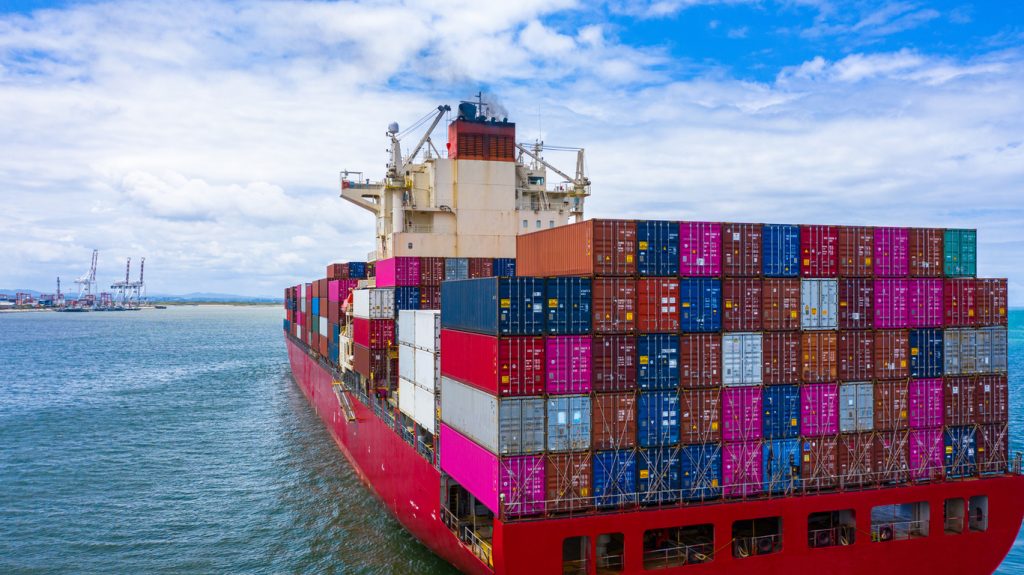
If you’re looking for shipping line payment in Naira, you’re basically trying to understand how to pay ocean freight carriers (container shipping companies) without using dollars, euros, or dealing directly with FX sourcing.
This is especially important for Nigerian importers moving goods through major ports like Apapa and Tin Can Island in Lagos.
What “Shipping Line Payment” Actually Means
Shipping lines are the companies that move containers across oceans. Examples include global carriers that handle:
- 20ft and 40ft containers
- FCL (Full Container Load) shipments
- LCL (Less than Container Load) shipments
- Bulk and commercial cargo
When you book sea freight, the shipping line charges a fee for moving your cargo from origin (China, USA, UK, etc.) to Nigeria.
That fee is called the ocean freight charge.
Why Shipping Line Payments Are Usually in Foreign Currency
Most shipping lines bill in:
- USD (most common)
- Sometimes EUR depending on trade route
This is because:
- Ocean freight is globally priced
- Fuel and vessel operations are international
- Ports and logistics systems use standardized global pricing
So traditionally, importers must have access to FX before shipping.
The Problem Nigerian Importers Face
When shipping line payments are tied to FX, importers often deal with:
- Dollar shortages and FX sourcing delays
- Exchange rate fluctuations increasing costs overnight
- Bank restrictions on international transfers
- Uncertainty in final landed cost
- Delays in releasing containers at ports
This is a major challenge for traders in Lagos import markets.
What Shipping Line Payment in Naira Means
A shipping line payment in Naira means:
- The ocean freight charge is converted into Naira
- You are billed locally instead of in USD
- You can pay via Nigerian bank transfer
- The logistics provider handles FX settlement with the shipping line
So you don’t interact with the shipping line directly in foreign currency.
How It Works in Practice
The process usually looks like this:
- You book a container or cargo shipment
- The shipping line quotes freight in USD
- The freight forwarder converts it into Naira
- You receive a local invoice
- You pay in Naira
- The shipping line is paid on your behalf
- Cargo is shipped to Nigeria
Example: China to Nigeria Container Shipping
Let’s say you are importing goods in a 20ft container:
Traditional method:
- Shipping line invoices $X amount
- You source dollars
- Payment delays booking or release
Naira payment method:
- You receive full Naira breakdown
- You pay locally
- Container is booked and shipped
- Goods arrive in Nigeria
Same shipping process, but no FX handling on your side.
What Shipping Line Charges Usually Cover
A shipping line invoice may include:
- Ocean freight (port-to-port shipping)
- Container handling charges
- Fuel surcharges
- Booking and documentation fees
- Carrier security charges
Note: inland transport and customs are usually separate unless it’s door-to-door service.
Types of Shipping Supported
1. FCL (Full Container Load)
- 20ft or 40ft container
- Best for bulk imports
2. LCL (Shared Container)
- You share space with other importers
- Cheaper for small shipments
3. Breakbulk / Special Cargo
- Heavy machinery or oversized goods
Why Businesses Prefer Paying Shipping Lines in Naira
For Nigerian importers, this system helps with:
- Predictable cost planning
- No FX uncertainty
- Faster booking decisions
- Easier financial management
- Better cash flow control
It is especially important for wholesalers and frequent importers.
Mistakes Importers Make
Avoid these common errors:
- Confusing shipping line charges with total landed cost
- Ignoring destination port charges in Nigeria
- Not confirming whether rate includes surcharges
- Booking without understanding container type
- Delaying payment and losing shipping slots
How Travo.ng Helps With Shipping Line Payments in Naira
With Travo.ng, you can manage shipping line payments in Naira for international cargo shipments.
This includes:
- Sea freight container booking (FCL & LCL)
- Air freight cargo handling
- Door-to-door delivery services
- Customs clearance support in Nigeria
- End-to-end import logistics
Process:
- Send shipment details
- Receive Naira-based freight quote
- Pay locally in Nigeria
- Shipping line is settled and cargo is shipped
Final Insight
Shipping line payment in Naira is making international trade much easier for Nigerian importers.
Instead of struggling with dollar payments and FX delays, you can book containers, pay locally, and still move goods through global shipping lines smoothly.
For importers and businesses, this is one of the most practical improvements in modern sea freight logistics.
