


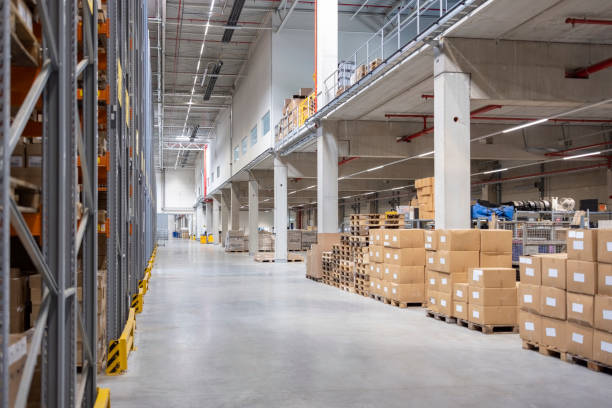
Shipping a parcel from Nigeria is not just about choosing a courier—it also involves Nigeria Customs Service regulations, export documentation, and proper item declaration. Whether you’re sending goods from Lagos, Abuja, or Port Harcourt to the UK, USA, Canada, or anywhere else, customs compliance is one of the most important parts of the process.
In real logistics operations, many delays or extra charges don’t happen during flight—they happen at Nigeria Customs export clearance before the parcel even leaves the country.
Most international shipments exit Nigeria through Murtala Muhammed International Airport in Lagos or through seaports like Apapa and Tin Can Island depending on the shipping method.
This is why structured logistics handling—like what Travo.ng-style services provide—is important for correct documentation, clearance, and smooth international movement.
What Nigeria Customs Checks When You Ship a Parcel
When you send a parcel internationally, Nigeria Customs Service focuses on:
- Correct item description
- Accurate declared value
- Export compliance
- Restricted or prohibited items
- Packaging inspection (if required)
They are not just checking what you are sending, but also ensuring it complies with international trade rules.
If anything is unclear or wrongly declared, your shipment can be delayed or held for inspection.
Documents Required to Ship Parcels from Nigeria
For most international shipments, you will need:
- Commercial invoice (or proforma invoice)
- Packing list (for larger shipments)
- Valid identification of sender
- Airway bill (provided by courier)
- Export declaration (handled by logistics provider in most cases)
For personal parcels, the paperwork is simpler, but accurate description is still required.
Restricted and Prohibited Items in Nigeria Export
Nigeria Customs restricts or prohibits certain items from being exported depending on category and destination country rules.
Common restricted items include:
- Firearms and weapons
- Illegal drugs or controlled substances
- Counterfeit goods
- Perishable items without certification
- Hazardous chemicals
- Certain agricultural products
Even if a courier accepts a parcel, destination country laws (UK, USA, Canada, EU) may still reject it at arrival.
How Customs Valuation Affects Shipping Cost
One of the most important parts of customs is declared value.
Nigeria Customs uses this to determine:
- Export compliance
- Insurance value
- Destination customs duties (indirectly affected)
If you undervalue goods:
- Parcel may be delayed
- You may be asked for correction documents
- In some cases, penalties can apply
Accurate valuation is always safer and faster.
How Long Customs Clearance Takes in Nigeria
In most cases:
- Express courier shipments: same day to 24 hours
- Cargo shipments: 1–3 days
- Sea freight exports: 3–7 days (or more depending on inspection)
Delays usually happen when documentation is incomplete or unclear.
What Happens After Nigeria Customs Clearance
Once cleared:
Nigeria export → airline or shipping line → transit hub (Europe/Middle East) → destination country customs → final delivery
So Nigeria Customs is only the first checkpoint. The parcel still has to clear customs again in the destination country.
Real Example: Lagos Export Shipment
A typical shipment process:
- Pickup: Ikeja, Lagos
- Item: 8kg fashion goods
- Documentation: invoice + airway bill
- Customs check: cleared within 24 hours
- Departure: Murtala Muhammed International Airport
- Final destination: London, UK
Most delays in similar cases happen only when paperwork is incorrect or incomplete.
Common Mistakes That Trigger Customs Delays
From real logistics experience in Nigeria:
- Writing “gift” or “personal items” without details
- No proper invoice attached
- Undervaluing goods significantly
- Incorrect HS code (for commercial shipments)
- Poor packaging causing inspection issues
These mistakes can slow down even express courier shipments.
How to Avoid Customs Problems When Shipping from Nigeria
To ensure smooth delivery:
- Always describe items clearly (e.g., “men’s clothing”, not “personal items”)
- Use accurate declared value
- Pack goods securely and professionally
- Work with experienced logistics providers
- Keep invoices consistent with actual goods
This is where structured coordination services like Travo.ng help reduce errors by handling documentation and export processing properly.
Final Reality of Shipping Parcel from Nigeria Customs
Nigeria Customs is not designed to stop shipments—it is designed to regulate and verify them. When documentation is correct and items are properly declared, shipments move quickly and smoothly.
Most international shipping delays from Nigeria are not caused by distance or airlines, but by customs documentation errors and poor preparation.
Once you understand how customs works, shipping from Nigeria becomes predictable, faster, and much more reliable.
