


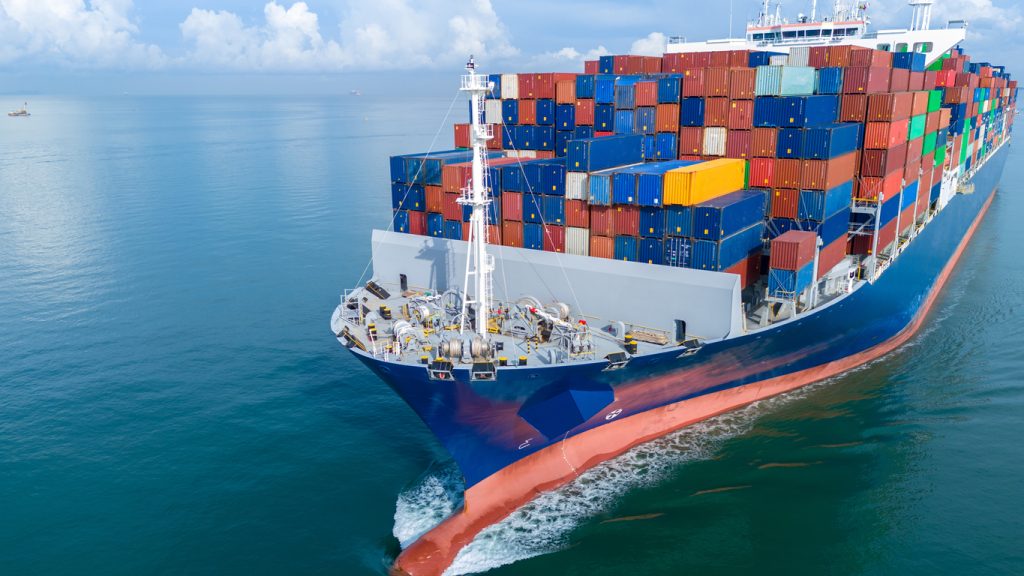
Restricted cargo customs hold in Nigeria refers to a situation where imported goods are temporarily detained by the Nigeria Customs Service (NCS) due to compliance checks, regulatory requirements, or suspected violations. This commonly happens at major ports such as Apapa Port, Tin Can Island Port, and Lekki Deep Sea Port.
In simple terms, it means Customs has paused your cargo clearance until certain issues are resolved.
What Is a Customs Hold?
A customs hold is a temporary restriction placed on cargo that prevents it from being released or moved out of the port until:
- Documentation is verified
- Duties or charges are assessed
- Regulatory approvals are confirmed
- Inspections are completed
Why Restricted Cargo Is Placed on Customs Hold in Nigeria
1. Documentation Issues
- Missing invoice or bill of lading
- Inconsistent shipping documents
- Incorrect product description
2. Regulatory Compliance Checks
- Awaiting SON or NAFDAC approval
- Verification of product standards
- Safety or quality inspection requirements
3. Suspicion of Misdeclaration
- Wrong HS code classification
- Under-valuation of goods
- Quantity mismatch
4. Restricted Goods Verification
- Goods requiring special permits
- Dual-use or sensitive items
- Controlled imports
5. Counterfeit or IP Concerns
- Suspected fake branded goods
- Trademark infringement investigations
6. Physical Examination Requirement
- Cargo selected for inspection
- Random or risk-based checks
Types of Customs Holds in Nigeria
1. Administrative Hold
Placed due to documentation or procedural review.
2. Inspection Hold
Cargo is held for physical examination.
3. Regulatory Hold
Awaiting clearance from agencies like SON or NAFDAC.
4. Enforcement Hold
Applied when there is suspicion of violation or illegal import.
Effects of Customs Hold on Importers
1. Delayed Cargo Release
Goods cannot leave the port until issues are resolved.
2. Increased Costs
Importers may incur:
- Storage fees
- Demurrage charges
- Handling costs
3. Supply Chain Disruption
Delays affect:
- Inventory availability
- Sales schedules
- Business operations
4. Risk of Escalation
In serious cases, cargo may be escalated to seizure.
How to Resolve Customs Hold in Nigeria
1. Identify the Reason for Hold
Obtain official feedback from Customs or clearing agents.
2. Provide Required Documentation
Submit or correct:
- Invoice
- Packing list
- Bill of lading
- Import declaration
3. Pay Applicable Duties or Charges
Settle outstanding import duties or penalties if required.
4. Obtain Regulatory Approvals
Secure clearance from relevant agencies such as:
- SON (Standards Organisation of Nigeria)
- NAFDAC (for regulated goods)
5. Engage Licensed Clearing Agents
Professionals help:
- Communicate with Customs
- Speed up resolution
- Ensure compliance requirements are met
6. Customs Review and Release
Once satisfied, Customs will:
- Lift the hold
- Approve cargo release
- Allow movement from port
Common Challenges With Customs Holds
1. High Port Charges
Costs increase during delays.
2. Complex Documentation Requirements
Multiple corrections may be needed.
3. Multi-Agency Approvals
Some goods require several regulatory clearances.
4. Risk of Seizure
Non-compliance can escalate from hold to seizure.
How to Prevent Customs Hold Issues
1. Accurate Documentation
Ensure consistency across:
- Invoice
- Packing list
- Bill of lading
- Customs declaration
2. Correct HS Code Classification
Proper classification reduces inspection risks.
3. Use Verified Suppliers
Avoid unreliable or unclear product sourcing.
4. Pre-Shipment Inspection
Verify cargo before shipping from origin country.
5. Regulatory Compliance
Obtain SON, NAFDAC, or other approvals early.
Role of Logistics in Preventing Customs Holds
Efficient logistics reduces errors that cause customs delays by ensuring proper documentation and cargo tracking.
Travo.ng supports businesses through:
- Cargo pickup from Apapa, Tin Can, and Lekki ports
- Nationwide transportation services
- Interstate logistics coordination
- Commercial cargo delivery
- Distribution support for businesses
- Last-mile delivery solutions
Reliable logistics improves transparency and reduces clearance risks.
Final Insight
Restricted cargo customs hold in Nigeria is a common part of import processing used to verify compliance and ensure proper documentation. While many holds are resolved quickly, delays can become costly if not properly managed. Importers who maintain accurate documentation, follow regulations, and work with experienced logistics professionals significantly reduce the risk of customs holds and ensure smoother cargo clearance.
