


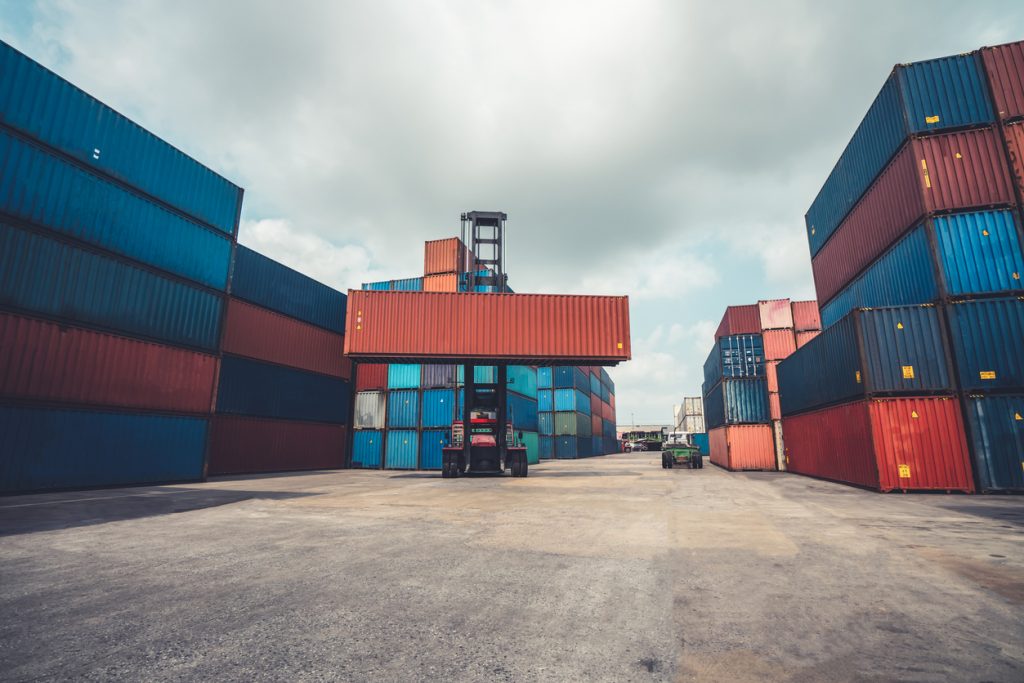
Project cargo handling in Nigeria refers to the specialized transportation, coordination, and management of large, heavy, high-value, or complex cargo required for major industrial projects. These shipments often include oversized equipment, machinery, turbines, transformers, oil and gas components, construction materials, and power generation equipment.
Project cargo logistics is commonly used in the oil and gas, energy, construction, mining, manufacturing, and infrastructure sectors.
What Is Project Cargo?
Project cargo consists of freight that cannot be transported through standard logistics methods due to its:
- Large dimensions
- Excessive weight
- High value
- Complex handling requirements
- Special transportation needs
Examples include:
- Power plant equipment
- Industrial generators
- Wind turbine components
- Refinery modules
- Heavy construction machinery
- Mining equipment
- Large steel structures
How Project Cargo Handling Works in Nigeria
1. Project Planning
The logistics provider conducts:
- Site surveys
- Route assessments
- Risk analysis
- Regulatory reviews
- Transportation planning
2. Cargo Preparation
Before movement:
- Equipment is inspected
- Components may be dismantled
- Protective packaging is applied
- Lifting plans are developed
3. Port Handling
Upon arrival:
- Cargo is discharged from vessels
- Specialized cranes are used
- Customs documentation is processed
- Temporary storage is arranged if needed
4. Inland Transportation
Cargo is moved using:
- Low-bed trailers
- Multi-axle trailers
- Hydraulic modular transporters
- Heavy-duty trucks
5. Final Delivery and Installation Support
At the project site:
- Cargo is unloaded
- Equipment is positioned
- Logistics teams coordinate with engineers and contractors
Industries That Use Project Cargo Logistics
Oil and Gas
Nigeria’s oil and gas sector relies heavily on project cargo services for:
- Drilling equipment
- Offshore modules
- Refinery infrastructure
- Pipeline components
Power and Energy
Project cargo supports:
- Power station construction
- Transformer delivery
- Transmission equipment transport
- Renewable energy projects
Construction and Infrastructure
Common cargo includes:
- Bridge components
- Road construction equipment
- Heavy machinery
- Pre-fabricated structures
Manufacturing
Factories often require:
- Production lines
- Industrial machinery
- Processing equipment
Key Services in Project Cargo Handling
Heavy Lift Services
Handling extremely heavy equipment using:
- Mobile cranes
- Port cranes
- Specialized lifting systems
Route Survey and Engineering
Logistics teams evaluate:
- Road conditions
- Bridge capacities
- Height restrictions
- Traffic management requirements
Customs Clearance
Project cargo often requires:
- Import permits
- Duty assessments
- Regulatory approvals
Warehousing and Staging
Temporary storage solutions before final deployment.
Escort and Security Services
Oversized cargo often requires:
- Police escorts
- Traffic control
- Security monitoring
Major Project Cargo Logistics Providers in Nigeria
Intels Nigeria
One of Nigeria’s leading project logistics companies.
Services include:
- Heavy-lift cargo handling
- Offshore logistics
- Port operations
- Industrial project support
SIFAX Group
Provides:
- Port handling services
- Heavy cargo logistics
- Freight forwarding
- Project cargo coordination
Julius Berger Nigeria
Known for:
- Construction logistics
- Heavy equipment transportation
- Infrastructure project support
DHL Global Forwarding
Offers:
- International project logistics
- Heavy cargo transportation
- Customs support
- End-to-end supply chain solutions
DB Schenker
Provides:
- Industrial logistics
- Project cargo management
- Heavy equipment transport
- Global freight solutions
Benefits of Professional Project Cargo Handling
Reduced Risk
Specialized planning minimizes cargo damage and delays.
Regulatory Compliance
Ensures adherence to Nigerian transport and customs regulations.
Improved Efficiency
Keeps major industrial projects on schedule.
Enhanced Safety
Protects personnel, cargo, and infrastructure.
Cost Control
Reduces unexpected logistics expenses and project disruptions.
Challenges of Project Cargo Handling in Nigeria
- Road infrastructure limitations
- Port congestion
- Permit processing delays
- High transportation costs
- Security concerns on some routes
- Limited heavy-lift infrastructure in certain regions
Project Cargo vs Standard Freight
| Project Cargo | Standard Freight |
|---|---|
| Oversized and heavy | Standard cargo |
| Requires engineering studies | Standard transport planning |
| Specialized equipment needed | Conventional trucks and containers |
| Complex coordination | Routine logistics operations |
Importance to Nigeria’s Economy
Project cargo handling supports:
- Industrial development
- Energy projects
- Infrastructure expansion
- Oil and gas investment
- Manufacturing growth
Without efficient project logistics, many large-scale development projects would face significant delays and cost overruns.
How Travo.ng Fits Into Project Cargo Logistics
Project cargo operators focus on heavy-lift handling and specialized transport, while logistics platforms help coordinate transportation activities.
Travo.ng can support:
- Transport scheduling
- Fleet coordination
- Route planning
- Cargo movement tracking
- Multi-location project logistics
- Delivery execution support
This helps ensure equipment and materials move efficiently from ports and storage facilities to project sites across Nigeria.
Conclusion
Project cargo handling in Nigeria is a highly specialized logistics service that supports major industrial, infrastructure, energy, and construction projects. Through detailed planning, specialized transport equipment, and professional coordination, project cargo providers ensure that oversized and high-value equipment reaches project sites safely and efficiently.
