


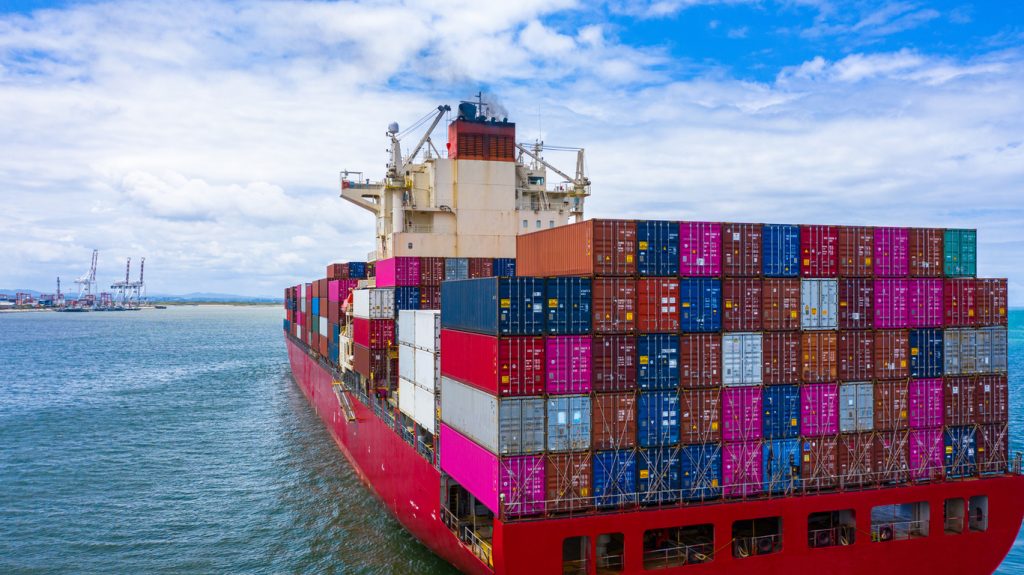
Not every business in Nigeria needs a full shipping container. Many exporters, online sellers, and importers only need to move a few cartons, small commercial cargo, or limited inventory abroad. That is where Less Than Container Load (LCL) shipping becomes useful.
Instead of paying for an entire container, your goods share space with other shipments. And today, many freight providers now allow LCL shipping payment in Naira, making international shipping easier for small and growing businesses in Nigeria.
What Less Than Container Load Actually Means
Less Than Container Load (LCL) simply means:
- Your shipment does not fill an entire container
- Your goods are combined with cargo from other customers
- You only pay for the portion of space your goods occupy
LCL is commonly used for:
- Small export shipments
- E-commerce deliveries
- Startup inventory imports
- Sample goods for international buyers
- Personal cargo and parcels
For businesses not ready for a full container load (FCL), LCL is often the more affordable option.
Why LCL Shipping Was Traditionally Difficult for Nigerians
International shipping systems usually price freight in:
- US Dollars (USD)
- British Pounds (GBP)
- Euros (EUR)
This affects:
- Ocean freight costs
- Consolidation fees
- Port handling charges
- Customs processing
- Documentation fees
As a result, many Nigerian businesses faced challenges with:
- Dollar payment requirements
- Exchange rate fluctuations
- FX sourcing delays
- Failed foreign card transactions
For SMEs, these issues often slowed down international trade.
How LCL Shipping With Naira Payment Works
Today, many logistics providers convert LCL shipping costs into Naira before payment.
The process usually looks like this:
- Shipment details are submitted (size, weight, destination)
- Cargo volume is measured in CBM (cubic meters)
- Freight cost is calculated
- Total amount is converted into Naira
- Customer receives local invoice
- Payment is made through Nigerian banking channels
- Cargo is consolidated and shipped internationally
This allows customers to ship globally without direct FX transactions.
Example: Small Cargo Shipment From Lagos to Canada
A Lagos-based skincare business wants to send products to Toronto.
Traditional method:
- Receive freight quote in USD
- Look for FX payment solution
- Delay shipment while sourcing dollars
Modern Naira-payment method:
- Receive shipping quote in Naira
- Pay locally via bank transfer
- Cargo joins shared container shipment
- Goods move without FX delay
This is why many small businesses now prefer local-currency freight payment.
What Goods Are Commonly Shipped Through LCL?
LCL shipping is ideal for:
- Fashion products
- Cosmetics and skincare products
- E-commerce inventory
- Sample exports
- Electronics accessories
- Small machinery parts
- Personal relocation items
- Startup business shipments
It works best when cargo volume is too small for a full container.
Why Businesses Prefer Paying in Naira for LCL Shipping
Naira-based payment helps businesses with:
- Easier budgeting
- Faster shipment approval
- Reduced FX uncertainty
- Better cash flow management
- Simpler accounting
For growing SMEs, this flexibility makes international logistics more manageable.
Common Mistakes That Delay LCL Shipments
Many shipment delays happen because of avoidable mistakes such as:
- Incorrect cargo measurement (CBM errors)
- Late payment causing missed consolidation schedules
- Poor packaging
- Missing customs documents
- Using unreliable freight agents
Since LCL shipments are grouped together, timing is extremely important.
How Travo.ng Supports LCL Shipping in Naira
With Travo.ng, businesses and individuals in Nigeria can arrange Less Than Container Load shipping and pay locally in Naira.
This supports:
- Shared container cargo shipping
- Export logistics for SMEs
- Small international freight shipments
- Door-to-door cargo coordination
- Overseas parcel delivery
The process is simple:
- Request shipment quotation
- Receive pricing in Naira
- Pay locally through Nigerian banks
- Cargo is consolidated and shipped internationally
This is especially useful for online sellers and businesses scaling into export markets.
Important Things to Understand
Even when paying in Naira:
- LCL rates still depend on global freight pricing
- Exchange rates affect quotation updates
- Destination handling fees may apply
- Consolidation schedules affect shipping timelines
Local payment simplifies access, but international shipping procedures still apply.
Final Insight
Less Than Container Load shipping with Naira payment is helping Nigerian businesses participate in international trade without needing full containers or complicated FX arrangements.
Instead of struggling with dollar payments or expensive freight commitments, SMEs and individuals can now share container space, pay locally, and ship globally with greater flexibility.
For small exporters, e-commerce businesses, and growing trade operations, LCL shipping has become one of the most practical logistics solutions available today.
