


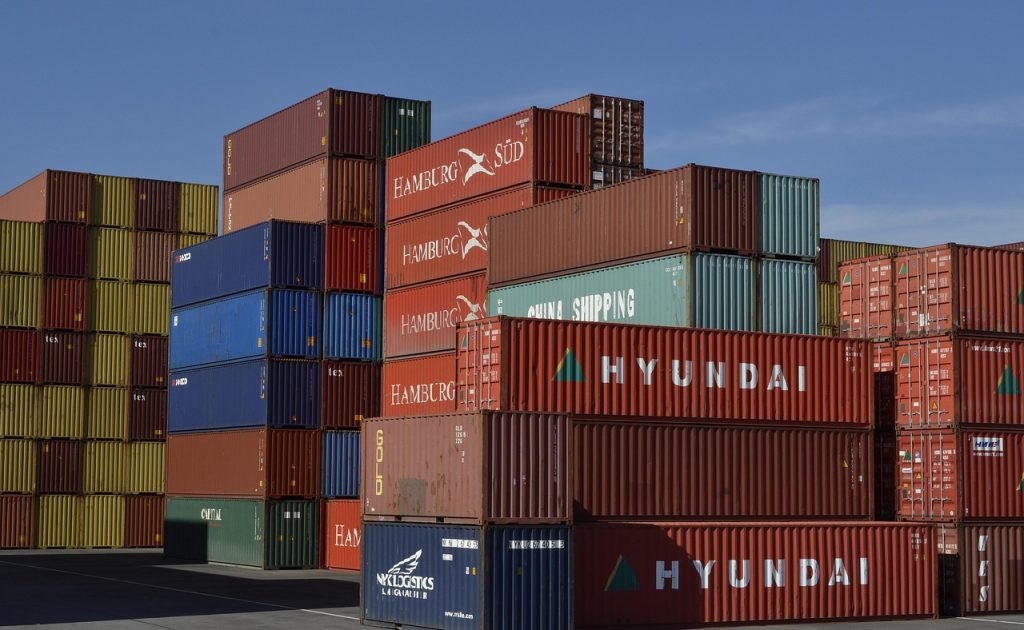
Inland Container Depot (ICD) logistics in Nigeria refers to the movement, handling, storage, and customs processing of containerized cargo at inland “dry ports” that are connected to seaports like Apapa and Tin Can Island via road or rail.
An ICD acts as an extension of the seaport, bringing port services closer to importers, exporters, and industrial hubs across Nigeria.
What an Inland Container Depot (ICD) Is
An Inland Container Depot (ICD) is a logistics facility located away from coastal ports that functions like a dry port, handling container storage, customs clearance, and cargo processing inland.
It serves as an intermediary between:
- Seaports (Apapa, Tin Can Island)
- Importers and exporters inland (Lagos, Kano, Kaduna, etc.)
How ICD Logistics Works in Nigeria
1. Import Stage (Seaport → ICD)
- Cargo arrives at Lagos seaports
- Containers are cleared (customs + documentation)
- Goods are transported by truck or rail to an ICD
2. ICD Processing Stage
At the inland depot, the following happens:
- Customs inspection and documentation checks
- Storage of full or empty containers
- Cargo consolidation or deconsolidation
- Container maintenance or handling (if needed)
3. Final Distribution Stage
- Goods are released from ICD storage
- Trucks distribute cargo to warehouses or markets
- Export cargo may be returned to port for shipment
Key Functions of ICD Logistics in Nigeria
1. Container Storage
- Safe holding of import/export containers
- Temporary storage before final delivery
2. Customs Clearance Support
- Some ICDs handle full or partial customs processing
- Reduces pressure on seaports
3. Cargo Handling
- Loading and unloading containers
- Stuffing and destuffing operations
4. Decongestion of Ports
- Moves container traffic away from Apapa and Tin Can
- Reduces delays and port congestion
5. Inland Distribution Hub
- Connects ports to inland markets
- Supports trucking and rail freight movement
Types of ICD Facilities in Nigeria
1. Fully Functional ICDs (Dry Ports)
- Customs clearance + storage + distribution
- Operate like inland versions of seaports
2. Container Depots
- Focus on storage and empty container handling
- Limited customs functions
3. Freight Stations (CFS-linked)
- Cargo consolidation and deconsolidation
- Temporary warehousing for imports/exports
Major Benefits of ICD Logistics in Nigeria
1. Reduces Port Congestion
ICDs remove pressure from Lagos ports by shifting container handling inland.
2. Faster Cargo Movement
Goods are processed closer to inland destinations.
3. Lower Logistics Cost
Reduces long waiting times and demurrage charges at ports.
4. Improved Supply Chain Efficiency
Speeds up movement from port to market or warehouse.
5. Supports Inland Trade Growth
Helps industries outside Lagos access international cargo easily.
Challenges of ICD Logistics in Nigeria
- Poor road connectivity between ports and inland depots
- High transport costs (fuel + trucking)
- Limited rail infrastructure integration
- Port congestion delays still affecting ICD flow
- Regulatory and documentation complexity
- Inconsistent logistics visibility systems
ICD vs Seaport Logistics
| ICD Logistics | Seaport Logistics |
|---|---|
| Inland location | Coastal location |
| Reduces congestion | High congestion risk |
| Acts as dry port | Main international gateway |
| Handles storage & clearance | Handles vessel operations |
Importance in Nigeria’s Trade System
ICD logistics is important because it:
- Connects Nigerian ports to inland markets
- Reduces Apapa and Tin Can congestion
- Improves import/export efficiency
- Supports manufacturing and retail distribution
- Enables smoother supply chain operations
How ICD Logistics Improves Supply Chains
- Faster clearance and cargo evacuation
- Better container flow management
- Reduced demurrage and port delays
- Improved distribution to warehouses
- Stronger inland trade connectivity
How Travo.ng Fits Into ICD Logistics Ecosystems
ICDs handle storage and customs processing inland, while logistics platforms handle transport execution and cargo movement.
Travo.ng supports ICD logistics through:
- Port-to-ICD truck dispatch coordination
- Inland cargo movement scheduling
- Distribution from ICDs to warehouses and markets
- Inter-state logistics execution
- Fleet allocation for container transport
- Real-time cargo movement tracking support
This ensures goods move efficiently from port → ICD → warehouse → market.
Conclusion
Inland Container Depot (ICD) logistics in Nigeria is a critical part of the country’s supply chain system. It reduces port congestion, improves cargo handling efficiency, and connects international trade directly to inland markets through structured logistics hubs.
