


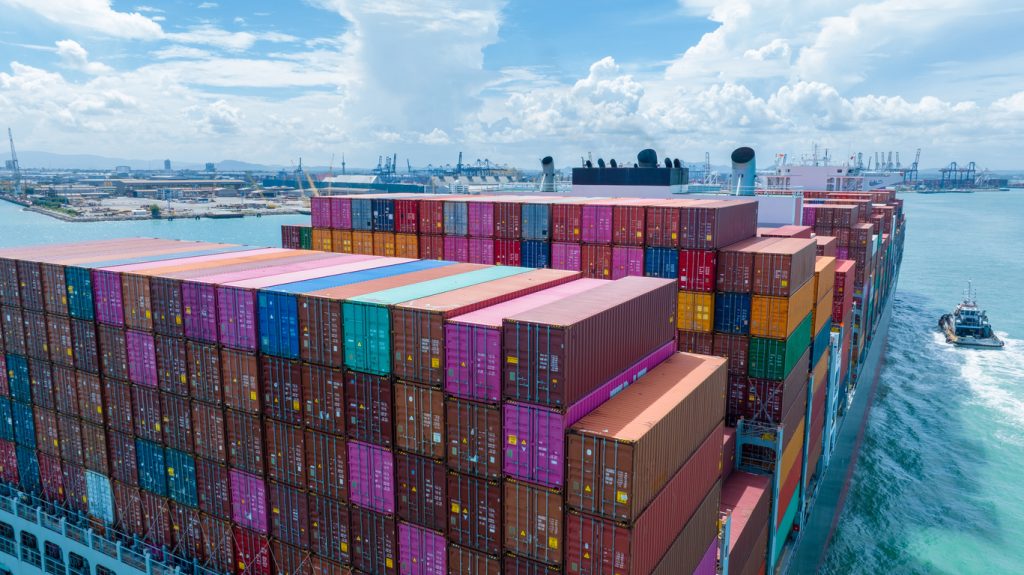
Import quality inspection in Nigeria refers to the official and commercial checks carried out on imported goods to ensure they meet required safety, quality, quantity, and regulatory standards before they are released into the market. These inspections help confirm that goods are not substandard, contaminated, damaged, or misdeclared.
In simple terms, it is the process of checking imported goods to make sure they are safe, correct, and fit for use or sale in Nigeria.
Why Import Quality Inspection Is Important in Nigeria
Import quality inspection helps to:
- Protect consumers from unsafe or fake products
- Ensure compliance with Nigerian regulations
- Prevent entry of substandard goods
- Reduce financial losses for importers
- Improve trade transparency and accountability
Types of Import Quality Inspection
1. Pre-Arrival Inspection
Done before goods arrive at Nigerian ports:
- Document verification
- Product certification checks
- Risk assessment
2. Port Inspection
Conducted at the port during clearance:
- Physical examination of goods
- Container inspection
- Seal verification
3. Regulatory Inspection
Carried out by agencies such as:
- NAFDAC (food, drugs, cosmetics)
- SON (Standards Organisation of Nigeria)
Focus is on safety and compliance standards.
4. Laboratory Testing
Used for sensitive goods like:
- Food products
- Pharmaceuticals
- Chemicals
Samples are tested for safety and composition.
5. Post-Arrival Inspection
Final checks after arrival or before distribution:
- Quality confirmation
- Quantity verification
- Packaging integrity
Key Agencies Involved in Import Quality Inspection
1. Nigeria Customs Service (NCS)
Responsible for:
- Cargo clearance
- Documentation verification
- Physical examination
2. NAFDAC
Regulates:
- Food imports
- Pharmaceuticals
- Cosmetics
3. SON (Standards Organisation of Nigeria)
Ensures:
- Product quality standards
- Conformity assessment
- Safety compliance
4. Nigeria Agricultural Quarantine Service (NAQS)
Handles:
- Agricultural imports
- Plant and animal products
- Pest and disease control
Common Issues Found During Import Quality Inspection
1. Substandard Goods
Products that do not meet required standards.
2. Contamination
Including:
- Chemical contamination
- Food spoilage
- Odor contamination
3. Quantity Mismatch
Differences between:
- Declared quantity
- Actual cargo received
4. Improper Documentation
Includes:
- Incorrect invoices
- False declarations
- Missing certificates
5. Damaged Goods
Caused by:
- Poor handling
- Long transit time
- Improper storage
Import Quality Inspection Process in Nigeria
1. Documentation Review
Authorities check:
- Bill of lading
- Invoice
- Packing list
- Import permits
2. Risk Classification
Goods are categorized as:
- Low risk
- Medium risk
- High risk
3. Physical Examination
Inspectors may open containers to:
- Verify contents
- Check packaging condition
- Confirm product identity
4. Sampling and Testing
Samples are taken for lab analysis where required.
5. Approval or Rejection
Goods are either:
- Released for distribution
- Held for further investigation
- Rejected or destroyed
Causes of Delays in Import Quality Inspection
- Port congestion
- Incomplete documentation
- Regulatory bottlenecks
- Physical examination requirements
- High-risk cargo classification
Impact of Poor Import Quality Inspection Outcomes
1. Financial Loss
Due to:
- Rejected goods
- Storage charges
- Demurrage fees
2. Supply Chain Delays
Affects:
- Product availability
- Business operations
3. Legal or Regulatory Issues
Can lead to:
- Fines
- Seizure of goods
- Import bans
How to Prepare for Import Quality Inspection
1. Ensure Proper Documentation
Accurate and complete shipping documents.
2. Use Certified Suppliers
Reduces risk of substandard goods.
3. Proper Packaging
Protects goods from damage and contamination.
4. Pre-Shipment Inspection
Check goods before export to Nigeria.
5. Compliance with Standards
Follow SON, NAFDAC, and other regulatory requirements.
Role of Cargo Insurance in Inspection Issues
Cargo insurance may cover:
- Damage discovered during inspection
- Loss from rejected goods (depending on policy)
- Transit-related contamination
Coverage depends on:
- Policy terms
- Cause of damage
- Documentation strength
How Travo.ng Supports Businesses After Clearance
While import quality inspection ensures compliance, efficient logistics after clearance helps maintain product condition.
This is where Travo.ng supports businesses across Nigeria.
Travo.ng provides:
- Cargo pickup from ports and airports
- Nationwide transportation services
- Interstate logistics coordination
- Commercial cargo delivery
- Distribution support for businesses
- Last-mile delivery solutions
Reliable handling helps reduce post-inspection damage and delays.
Final Insight
Import quality inspection in Nigeria is a crucial regulatory and safety process that ensures imported goods meet required standards before reaching consumers. It protects the market from substandard, contaminated, or unsafe products while ensuring compliance with national regulations.
