


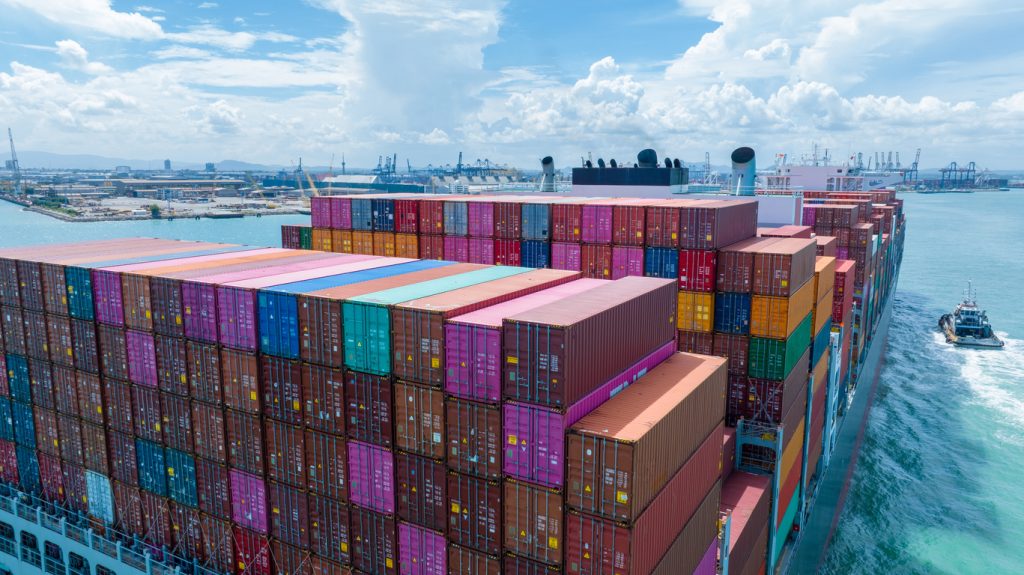
An import permit delay in Nigeria is one of the most common regulatory bottlenecks faced by importers bringing goods through Apapa Port, Tin Can Island Port, Onne Port, Port Harcourt Port, and Murtala Muhammed International Airport.
Even when cargo has already arrived or is about to arrive, delays in obtaining import permits can completely stop clearance. This is because certain goods cannot legally enter Nigeria without prior approval from relevant regulatory agencies.
In simple terms, import permit delay means your shipment is ready, but the legal approval needed to clear it has not been issued or is still pending.
What Is an Import Permit?
An import permit is official authorization issued by regulatory authorities allowing specific goods to be imported into Nigeria.
Depending on the product category, approvals may involve:
Nigeria Customs Service
National Agency for Food and Drug Administration and Control
Other agencies may also be involved depending on the nature of the goods.
Import permits confirm that:
- The product is approved for importation
- The importer is authorized to bring in the goods
- The goods meet regulatory and safety standards
- The shipment complies with Nigerian import laws
Why Import Permit Delays Happen in Nigeria
1. Late Application by Importer
Many importers apply for permits after goods have already shipped.
2. High Processing Time at Agencies
Regulatory bodies may experience backlogs due to high application volumes.
3. Incorrect Documentation
Errors in application forms or supporting documents slow down approval.
4. Wrong Product Classification
Incorrect HS code or product description leads to review delays.
5. Incomplete Requirements
Missing supporting documents can pause processing entirely.
6. Regulatory Review Process
Some products require detailed evaluation before approval is granted.
Products Commonly Affected by Import Permit Delays
Import permits are usually required for sensitive or regulated goods such as:
- Pharmaceuticals and medical supplies
- Cosmetics and skincare products
- Food and beverage items
- Chemicals and industrial materials
- Agricultural inputs
- Medical devices and equipment
These categories often face stricter checks and longer approval timelines.
What Happens When There Is an Import Permit Delay?
When permits are not issued on time, cargo may:
- Remain stuck at the port or airport
- Be placed on hold by customs
- Accumulate storage and demurrage charges
- Miss scheduled distribution timelines
- Require additional verification before clearance
- Be subject to extended inspection processes
Even when other documents are correct, clearance cannot proceed without regulatory approval.
Impact of Import Permit Delays on Businesses
Importers often experience:
- Increased logistics costs
- Supply chain disruptions
- Stock shortages
- Delayed customer deliveries
- Cash flow pressure
- Loss of business opportunities
For businesses supplying Lagos, Abuja, Kano, Port Harcourt, Enugu, and Ibadan, delays can directly affect revenue and customer satisfaction.
Why Import Permit Delays Are Difficult to Avoid
Import permit processes can be slow because:
- Applications require detailed verification
- Multiple agencies may be involved
- Product safety assessments may be required
- Policy and compliance checks must be completed
- Regulatory systems may experience administrative delays
Because of this, importers often need to plan ahead rather than react after shipment arrival.
How Importers Can Reduce Permit Delays
Experienced importers typically:
- Apply for permits before shipment departure
- Ensure correct HS classification from the start
- Provide complete and accurate documentation
- Work with regulatory consultants when needed
- Monitor application progress closely
- Avoid last-minute changes to shipment details
Early preparation significantly reduces clearance risks.
How Import Permit Delays Affect Customs Clearance
The:
Nigeria Customs Service
cannot complete clearance for regulated goods without proof of approval from relevant agencies.
This means even if duties are assessed or documents are complete, cargo may still be held until import permit issues are resolved.
How Travo.ng Supports Businesses After Clearance
While import permit delays affect regulatory approval, businesses still need reliable logistics once cargo is eventually released.
This is where Travo.ng supports importers across Nigeria.
Travo.ng provides:
- Cargo pickup from ports and airports
- Nationwide transportation services
- Interstate logistics coordination
- Commercial cargo delivery
- Distribution support for businesses
- Last-mile delivery solutions
Whether goods are moving from Lagos to Abuja, Kano, Port Harcourt, Enugu, or other destinations, Travo.ng helps ensure smooth movement after clearance.
Final Insight
Import permit delays in Nigeria are a major challenge for importers dealing with regulated goods. Because permits are required for legal entry, any delay in approval can stop cargo from being cleared, even when all other documentation is correct. Proper planning, early application, and accurate documentation are the most effective ways to reduce delays and avoid unnecessary costs.
