


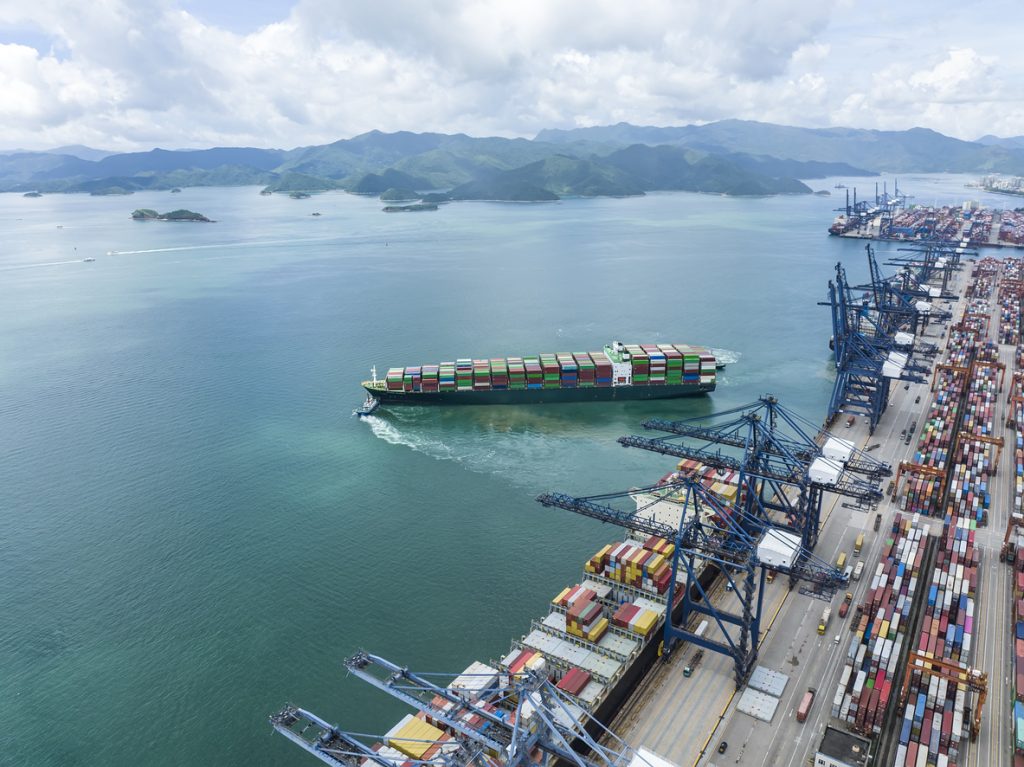
If you are importing goods into Nigeria through Apapa Wharf, Tin Can Island, or Murtala Muhammed Airport cargo terminal, one of the first and most important steps is learning how to process Form M in Nigeria.
Many import delays don’t start at the port—they start at this stage. If Form M is not done correctly, everything that follows (PAAR, customs valuation, duty payment, and cargo release) can get delayed or rejected.
In simple terms, Form M processing is the official registration of your import with your bank and customs system before your goods arrive.
What Form M Means in Nigeria Import System
Form M is a mandatory import declaration used to register goods before shipment into Nigeria. It is part of the import monitoring system supervised through commercial banks and regulated by:
Nigeria Customs Service
It is required to:
- Register your import transaction
- Link shipment to banking and payment records
- Enable customs valuation and clearance
- Ensure compliance with import regulations
Without Form M, most commercial imports cannot proceed smoothly.
Step-by-Step: How to Process Form M in Nigeria
Step 1: Open a Form M with Your Bank
You start by visiting your authorized Nigerian commercial bank. The bank acts as the first approval point for your import.
You will be required to submit basic import details.
Step 2: Prepare Required Import Documents
Before submission, ensure you have:
- Proforma invoice from supplier
- Product description and specifications
- HS code (if available)
- Importer details (company or individual)
- Supplier details
Errors at this stage often lead to delays later.
Step 3: Submit Form M Application
Your bank inputs your import details into the system and submits it for review. This is where accuracy matters most.
Common mistakes at this stage include:
- Wrong HS code
- Vague product descriptions
- Mismatch between invoice and declared goods
Step 4: Bank Review and Approval
The bank reviews your submission for compliance and consistency. If everything is correct, the Form M is approved.
If there are issues, it may be returned for correction or delayed.
Step 5: Link Form M to Shipment Documents
Once approved, your Form M is linked to:
- Bill of lading or airway bill
- Final commercial invoice
- Packing list
This linkage is critical for customs clearance at the port.
Step 6: Await PAAR Generation
After shipment details are submitted, the system generates a Pre-Arrival Assessment Report (PAAR), which is used for duty calculation and clearance.
Without proper Form M processing, PAAR cannot be generated correctly.
Common Problems During Form M Processing in Nigeria
Even when importers follow the process, issues still happen frequently:
1. Incorrect HS Code
Wrong classification can lead to rejection or delays.
2. Invoice Mismatch
Differences between supplier invoice and Form M data.
3. Late Submission
Trying to process Form M after shipment has already left.
4. Bank Processing Delays
Approval time can vary depending on documentation quality.
5. Poor Product Description
Vague terms like “electronics” or “parts” often cause issues.
What Happens If Form M Is Not Processed Correctly
If Form M is wrong or incomplete, it can affect the entire import chain:
- PAAR delays or rejection
- Customs clearance blockage
- Storage and demurrage charges at port
- Delayed delivery to customers or businesses
- Cash flow disruption
In busy ports like Apapa, delays quickly increase costs due to daily storage and logistics charges.
Why Proper Form M Processing Matters in Nigeria
A properly processed Form M ensures:
- Faster customs clearance
- Reduced risk of valuation disputes
- Smooth PAAR generation
- Fewer document corrections
- Better control of import timelines
In short, it determines how smoothly your cargo moves through Nigeria’s import system.
Products That Require Careful Form M Processing
Some goods require extra attention when processing Form M:
- Electronics and mobile devices
- Automotive spare parts
- Industrial machinery
- Medical and laboratory equipment
- Mixed commercial cargo
- High-value goods
These items often face stricter documentation checks.
How Importers Reduce Form M Processing Issues
Experienced importers in Nigeria follow these practices:
- Confirm HS codes before shipment
- Ensure invoice matches supplier documents exactly
- Avoid last-minute changes in product details
- Work closely with clearing agents early
- Use accurate product descriptions
This reduces delays at both bank and customs stages.
How Travo.ng Supports Importers After Clearance
While Form M processing affects the early stage of import clearance, logistics becomes critical once goods are released.
This is where Travo.ng supports businesses across Nigeria.
Travo.ng helps with:
- Cargo pickup after customs release
- Airport and port delivery coordination
- Nationwide parcel and freight movement
- Interstate logistics for business cargo
- End-to-end transport support
So once your Form M is properly processed and cargo is cleared, Travo.ng ensures fast and reliable delivery to your final destination.
Final Insight
Processing Form M in Nigeria is not just a formality—it is the foundation of your entire import clearance process. When done correctly, it prevents delays, reduces costs, and ensures smooth movement from arrival to delivery. Most import problems at Nigerian ports can be traced back to errors made at this stage.
