


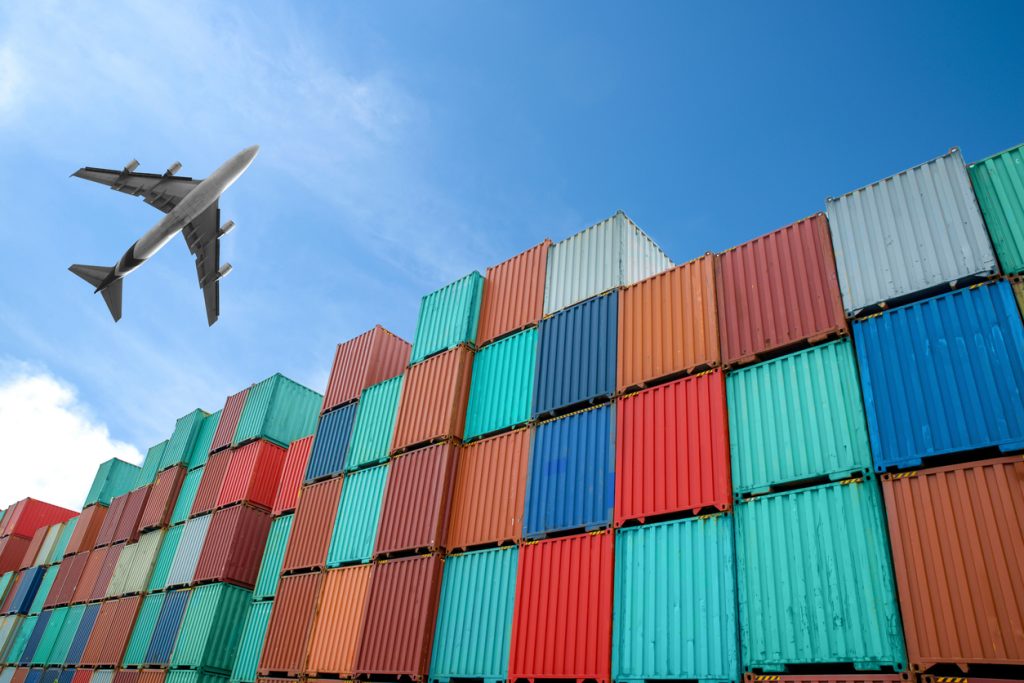
Full Container Load shipping, commonly called FCL shipping, is a sea freight arrangement where one importer or exporter books an entire container for their cargo. Unlike Less Than Container Load shipping, the container is not shared with unrelated shipments.
FCL is commonly used by Nigerian businesses importing large quantities of goods from China, Turkey, Dubai, Europe and other international markets. It can be suitable when the volume of cargo is large enough to justify a dedicated container.
How Full Container Load Shipping Works
The process begins when the importer confirms the quantity and specifications of the goods with the supplier.
A shipping line or freight forwarder then arranges an appropriate container, such as a 20-foot or 40-foot container. The goods are loaded and the container is sealed before being transported to the port for export.
After the vessel reaches Nigeria, the container goes through the required port and customs processes before being released for transportation to its final destination.
Nigeria’s port procedures include customs examination processes and container loading or delivery arrangements before a container can leave the terminal. (Nigerian Shippers Council)
When Should You Use FCL Shipping?
FCL can make sense when you have enough cargo to use a significant amount of container capacity.
Common examples include businesses importing:
- Furniture
- Building materials
- Machinery
- Auto parts
- Electronics
- Fashion products
- Household goods
- Industrial equipment
- Large quantities of retail products
You do not necessarily need to fill every available space before considering FCL. The decision should be based on the total cost compared with LCL, the nature of the goods and the shipment schedule.
20-Foot vs 40-Foot Containers
The two common container sizes for commercial imports are 20-foot and 40-foot containers.
A 20-foot container can be appropriate for a smaller commercial shipment, while a 40-foot container provides substantially more space for larger consignments. High-cube versions can provide additional internal height for suitable cargo.
Your supplier or freight forwarder should consider the cargo’s dimensions, weight and loading requirements before recommending a container size.
FCL Shipping From China to Nigeria
China is one of the major sourcing markets for Nigerian importers, making China-to-Nigeria FCL shipping particularly relevant for businesses buying goods in large quantities.
The Nigerian Shippers’ Council publishes indicative freight rates for laden containers on major trading routes. Its October–December 2025 schedule, for example, listed indicative import rates for 20-foot, 40-foot and 45-foot containers from the Far East/China route. Actual quotations can vary depending on the shipping line, port, season, destination and other charges. (Nigerian Shippers Council)
Always request a current quotation instead of relying on an old freight rate.
Calculate the Complete Shipping Cost
The ocean freight charge is only one part of the cost of importing a container.
Your budget may need to cover:
- Supplier and cargo costs
- Ocean freight
- Insurance where applicable
- Documentation
- Customs duties and taxes
- Terminal charges
- Clearing fees
- Storage
- Demurrage where applicable
- Trucking
- Final delivery
- Other destination charges
Ask your logistics provider for a detailed quotation so you understand which charges are included and which are payable separately.
Avoid FCL and LCL Confusion
Make sure your supplier and freight forwarder clearly understand whether you are booking FCL or LCL.
A 2026 Nigerian Shippers’ Council dispute involved approximately 50 CBM of cargo that the importer said had been contracted as a dedicated 40-foot FCL shipment but was subsequently handled as LCL/groupage cargo. The Council attributed the dispute to communication problems between the importer, supplier and origin consolidator. (Nigerian Shippers Council)
Put the agreed shipping method in writing and check your shipping documents before the cargo leaves the supplier’s country.
Container Loading and Cargo Protection
How goods are packed inside the container matters.
Heavy products should be positioned appropriately, fragile goods should be protected and available space should be used efficiently without creating unsafe loading conditions.
Before the container leaves the supplier, confirm the cargo quantity, packaging and container details. Keep photographs, invoices, packing lists and other relevant records for reference.
FCL Shipping and Delivery in Nigeria
After clearance, the container needs to be transported from the port or designated terminal to the final destination.
For businesses outside Lagos, inland transportation becomes an important part of the planning. Nigeria’s inland dry ports are designed to receive containers from seaports by road or rail for examination and clearance, providing another potential route for cargo moving towards inland markets. (Nigerian Shippers Council)
Plan the final delivery before the container arrives rather than waiting until the cargo is ready for release.
How Travo.ng Can Help With FCL Shipping
Travo.ng can help businesses coordinate the logistics involved in moving full-container shipments into Nigeria.
This can include freight planning, cargo coordination, transportation arrangements and delivery from the port or other approved cargo location to the required business destination.
For importers bringing in large quantities from overseas suppliers, coordinating the international shipment and local transportation together can make the movement of the container easier to manage.
Plan Your FCL Shipment Carefully
FCL shipping gives businesses control over a dedicated container and can be practical for larger commercial shipments. But the container size, freight rate, customs costs, port charges and final delivery should all be considered before you commit to the shipment.
Get a detailed quotation, confirm the FCL arrangement in writing, verify your cargo documentation and plan the Nigerian delivery route before the vessel arrives.
