


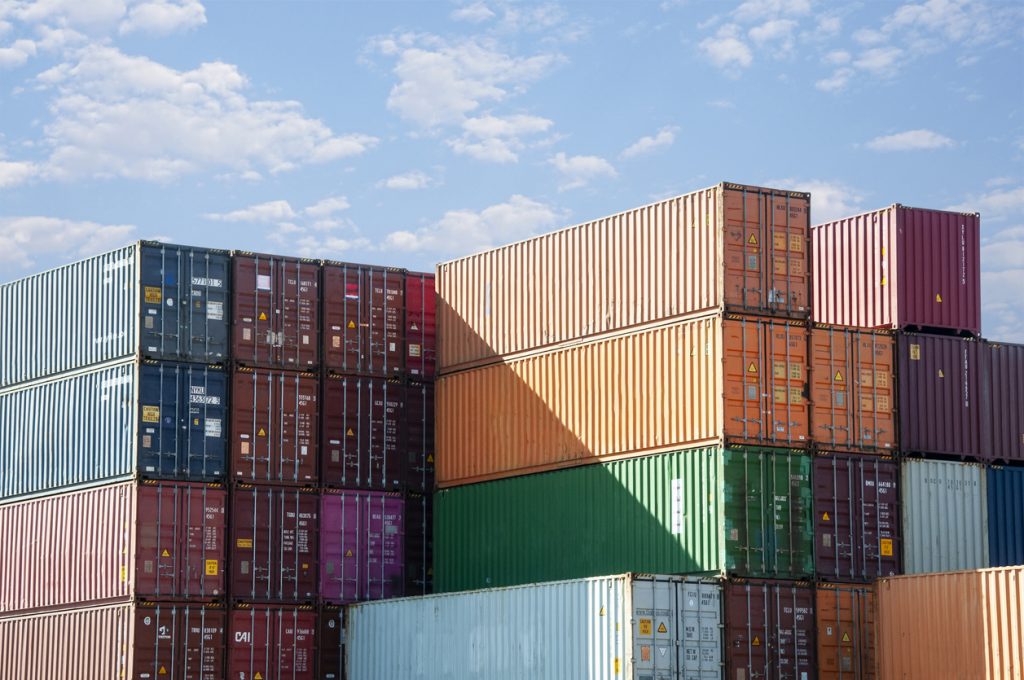
Food cargo inspection in Nigeria is the official examination of imported food shipments to ensure they are safe for human consumption, properly documented, and compliant with Nigerian food safety and import regulations before being released into the market.
This inspection is carried out at major entry points such as Apapa Port, Tin Can Island Port, Onne Port, Port Harcourt Port, and airports like Murtala Muhammed International Airport.
In simple terms, food cargo inspection is the process where Nigerian authorities check imported food products to confirm they are safe, legal, and fit for distribution.
Who Conducts Food Cargo Inspection in Nigeria
Food cargo inspection is mainly handled by:
National Agency for Food and Drug Administration and Control
Nigeria Customs Service
Depending on the product type, other agencies like NAQS may also be involved.
These bodies ensure imported food meets safety and quality standards.
What Food Cargo Inspection Covers
Inspection applies to a wide range of imported food items, including:
- Packaged and processed foods
- Beverages and drinks
- Dairy products
- Canned foods
- Cereals and grains (processed forms)
- Food additives and ingredients
- Frozen food products
Why Food Cargo Inspection Is Important
Food inspection helps to:
- Ensure food safety for consumers
- Prevent importation of contaminated products
- Confirm correct labeling and expiry dates
- Verify product registration status
- Protect public health
- Enforce national food safety standards
Types of Food Cargo Inspection
1. Physical Inspection
Cargo is opened and checked visually at the port or warehouse.
2. Documentation Review
Verification of:
- Commercial invoice
- Packing list
- Bill of lading / airway bill
- Import permits and certificates
3. Laboratory Testing
Samples may be tested for contamination, quality, or safety compliance.
4. Label Compliance Check
Ensures packaging meets Nigerian regulatory standards.
Common Reasons for Food Cargo Inspection Delays
Missing NAFDAC Registration
Products not registered before importation.
Incorrect Documentation
Mismatch between shipment details and regulatory filings.
Labeling Issues
Incorrect or incomplete product labeling.
High-Risk Food Category
Certain foods require mandatory testing.
Random Regulatory Checks
Selected shipments for additional inspection.
What Happens During Food Cargo Inspection
When cargo is under inspection:
- Goods are placed on hold at port or warehouse
- Physical examination may be conducted
- Samples may be collected for lab testing
- Clearance is paused until approval is granted
- Storage and demurrage charges may increase
- Release depends on regulatory approval
Even if customs duties are paid, food inspection must be completed before release.
Food Cargo Inspection and Customs Clearance
The:
Nigeria Customs Service
works alongside NAFDAC and other agencies to ensure compliance.
This means:
- Customs clearance is suspended during inspection
- Regulatory approval is required before release
- Cargo remains under control until all checks are completed
Common Products Flagged for Inspection
- Rice, wheat, and maize
- Frozen meat and fish
- Dairy products
- Packaged snacks and beverages
- Food ingredients and additives
Risks of Food Cargo Inspection Delays
Importers may face:
- Long clearance delays
- High demurrage and storage costs
- Supply chain disruption
- Product spoilage (especially frozen goods)
- Financial losses
How to Reduce Food Cargo Inspection Issues
Experienced importers usually:
- Register food products with NAFDAC before shipping
- Ensure accurate documentation
- Use correct labeling and packaging
- Declare goods properly
- Work with compliance professionals
Early preparation significantly reduces inspection delays.
How Travo.ng Supports Businesses After Clearance
While food cargo inspection affects regulatory clearance, businesses still need reliable logistics after release.
This is where Travo.ng supports importers across Nigeria.
Travo.ng provides:
- Cargo pickup from ports and airports
- Nationwide transportation services
- Interstate logistics coordination
- Commercial cargo delivery
- Distribution support for businesses
- Last-mile delivery solutions
Whether goods are moving from Lagos to Abuja, Kano, Port Harcourt, Enugu, or other destinations, Travo.ng ensures smooth movement after clearance.
Final Insight
Food cargo inspection in Nigeria is a key regulatory process that ensures all imported food products are safe, properly labeled, and compliant with national standards. Managed mainly by NAFDAC and Customs, it protects public health and food safety. Importers who comply early with registration and documentation requirements experience faster clearance and fewer delays.
