


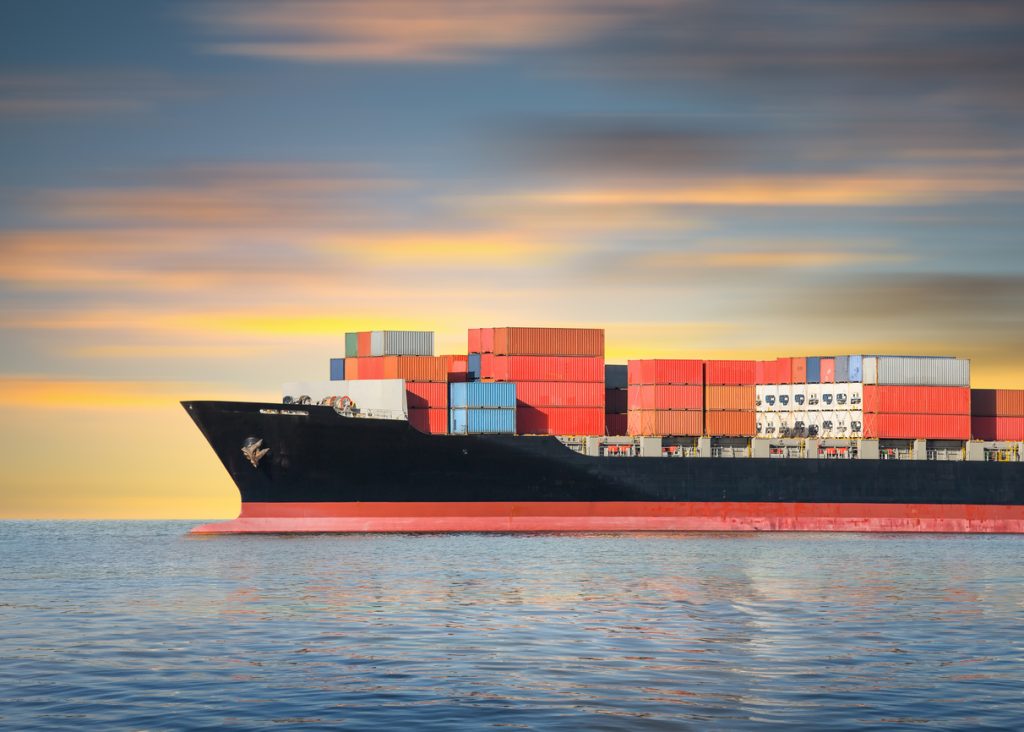
Exporters shipping goods from China often need a reliable place to receive and organise cargo before it leaves the country. A China cargo warehouse for exporters can serve as a central point for receiving supplier deliveries, checking shipments, storing goods, consolidating orders and preparing cargo for international freight.
This is particularly useful for wholesalers and businesses sourcing products from several factories or purchasing goods from different cities across China.
How a China Cargo Warehouse Works
Once your suppliers complete production, their goods can be delivered to a designated warehouse. The warehouse team can organise the cargo while waiting for other shipments to arrive.
The process may include:
- Cargo receiving: Packages are received from factories, wholesalers or suppliers.
- Shipment recording: Cartons, quantities and tracking details are recorded.
- Cargo checking: Goods and packaging can be checked for obvious issues.
- Temporary storage: Completed orders can be held until the shipment is ready.
- Repacking: Packages can be reorganised or reinforced where necessary.
- Consolidation: Suitable shipments from multiple suppliers can be combined.
- Export preparation: Cargo information and required documentation are organised.
- International freight: Goods are dispatched by air, LCL or FCL sea freight.
Why Exporters Use Cargo Warehouses
A warehouse can make managing multiple suppliers considerably easier. For example, an exporter may have products coming from Guangzhou, Shenzhen, Yiwu and Foshan. Instead of coordinating international shipping separately for each order, the cargo can be brought together at one location.
This can provide better control over shipment timing and make it easier to calculate the combined cargo weight and volume.
Consolidation may also improve freight efficiency, although it does not automatically guarantee lower costs. The final result depends on the size, weight, packaging and destination of the cargo.
Preparing Cargo for Export
Before shipping, exporters should make sure the cargo information accurately reflects what is being transported. Product descriptions, quantities, carton counts, dimensions and weights should be properly recorded.
Some products may also require additional documentation or compliance checks depending on the destination country. Electronics, batteries, food products, chemicals, machinery and other regulated goods may have specific requirements.
Choosing Air or Sea Freight
Air freight is generally suitable for smaller, urgent or higher-value shipments where speed is important.
LCL sea freight can be used when the cargo is too large for a parcel shipment but does not require an entire container.
FCL sea freight is appropriate for larger commercial volumes where a dedicated container is more practical.
The right choice should be based on cargo volume, weight, product type, destination and delivery timeframe.
How Travo.ng Can Help
Travo.ng can help coordinate the logistics around a China cargo warehouse, including supplier cargo collection, warehouse receiving, consolidation planning and suitable air or sea freight arrangements.
Whether you are exporting wholesale products, machinery, furniture, electronics or general merchandise, providing supplier locations, cargo details, estimated weight or CBM and final destination helps create a practical shipping plan.
A well-organised warehouse process can give exporters better control over their cargo from supplier collection through consolidation and international transportation.
