


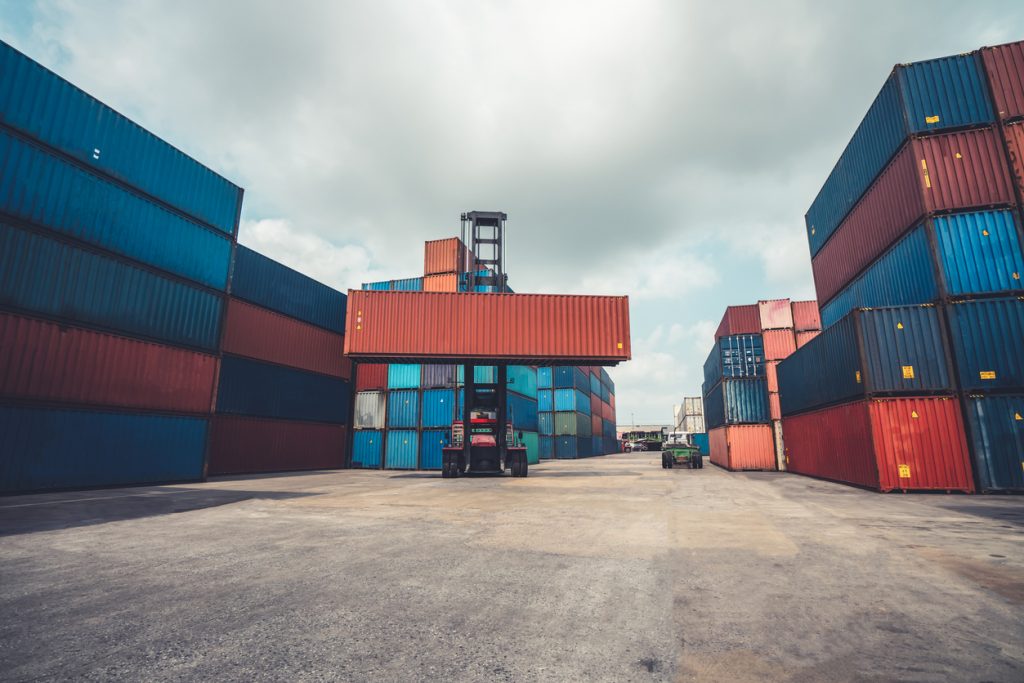
Cargo replacement in Nigeria refers to the process of substituting, returning, or re-shipping goods when the original shipment is incorrect, damaged, defective, or not as agreed. It is common in import operations through Apapa Port, Tin Can Island Port, and Lekki Deep Sea Port, as well as in domestic logistics.
In simple terms, it means replacing the original cargo with the correct or acceptable goods after a problem is discovered.
When Cargo Replacement Happens
Cargo replacement is usually required when:
- Wrong goods are shipped
- Goods are damaged during transit
- Products do not meet specifications
- Supplier sends low-quality items
- Short shipment occurs (missing items)
- Cargo is rejected by customs or buyer
Types of Cargo Replacement
1. Full Cargo Replacement
The entire shipment is replaced due to major issues like:
- Wrong product type
- Severe damage
- Fraudulent shipment
2. Partial Cargo Replacement
Only part of the shipment is replaced when:
- Some items are defective
- Some units are missing
- Mixed quality batches are received
3. Emergency Replacement Shipment
Fast replacement arranged when:
- Business operations are disrupted
- Stock is urgently needed
- Customer orders must be fulfilled
4. Supplier-Backed Replacement
The supplier sends replacement goods at no extra cost due to:
- Contract breach
- Quality failure
- Order mismatch
Common Causes of Cargo Replacement in Nigeria
1. Supplier Errors
- Wrong product shipped
- Incorrect specifications
- Poor quality control
2. Shipping Damage
- Container damage
- Water or moisture exposure
- Rough handling during transit
3. Customs Rejection
- Incorrect documentation
- Misdeclared cargo
- Regulatory non-compliance
4. Theft or Missing Cargo
- Pilferage during transit
- Container tampering
- Warehouse loss
5. Poor Packaging
- Weak cartons
- Improper sealing
- Inadequate protection
Effects of Cargo Replacement Issues
1. Financial Loss
Businesses may face:
- Double shipping costs
- Replacement production costs
- Storage and demurrage fees
2. Supply Chain Disruption
Leads to:
- Delayed production
- Stock shortages
- Missed delivery deadlines
3. Increased Logistics Complexity
Requires:
- Return coordination
- New shipping arrangements
- Customs reprocessing
4. Customer Dissatisfaction
Affects:
- Retail commitments
- Client trust
- Brand reputation
Cargo Replacement Process in Nigeria
1. Identify the Issue
Confirm whether goods are:
- Damaged
- Incorrect
- Incomplete
2. Document Evidence
Collect:
- Photos
- Videos
- Inspection reports
- Shipping documents
3. Notify Supplier or Shipper
Request:
- Replacement shipment
- Refund
- Compensation
4. Return or Hold Cargo (if required)
Depending on agreement:
- Return shipment to supplier
- Store cargo pending resolution
5. Arrange Replacement Shipment
Supplier or importer ships correct goods.
6. Customs Reprocessing (Import cases)
New shipment may require:
- Fresh documentation
- Re-clearance procedures
How to Prevent Cargo Replacement Issues
1. Pre-Shipment Inspection
Verify:
- Product quality
- Quantity
- Specifications
2. Strong Supplier Agreements
Include:
- Clear product descriptions
- Quality standards
- Replacement clauses
3. Sample Approval
Confirm product sample before bulk shipment.
4. Proper Packaging Standards
Ensure goods are protected for long-distance shipping.
5. Use Trusted Logistics Partners
Reduces handling errors and cargo damage.
Role of Insurance in Cargo Replacement
Cargo insurance may cover:
- Damage during transit
- Loss of goods
- Theft or destruction
However, replacement due to supplier mistakes or wrong specifications is usually not covered, unless linked to insured risks.
Common Cargo Replacement Scenarios in Nigeria
- Container arrives at Apapa with damaged electronics requiring full replacement
- Supplier ships wrong industrial parts requiring resupply
- Partial shipment missing cartons leads to replacement order
- Goods rejected due to poor packaging or contamination
How Travo.ng Supports Cargo Movement in Nigeria
Cargo replacement becomes easier when logistics coordination is efficient. Quick pickup, transport, and redistribution reduce downtime.
Travo.ng supports businesses across Nigeria through:
- Cargo pickup from Apapa, Tin Can, and Lekki ports
- Nationwide transportation services
- Interstate logistics coordination
- Commercial cargo delivery
- Distribution support for businesses
- Last-mile delivery solutions
Efficient logistics helps businesses manage replacement shipments faster and with fewer delays.
Final Insight
Cargo replacement in Nigeria is necessary when shipments are wrong, damaged, or unusable. While it helps restore business operations, it also increases costs and delays. Proper inspection, supplier control, and strong logistics coordination are key to reducing the need for replacements.
