


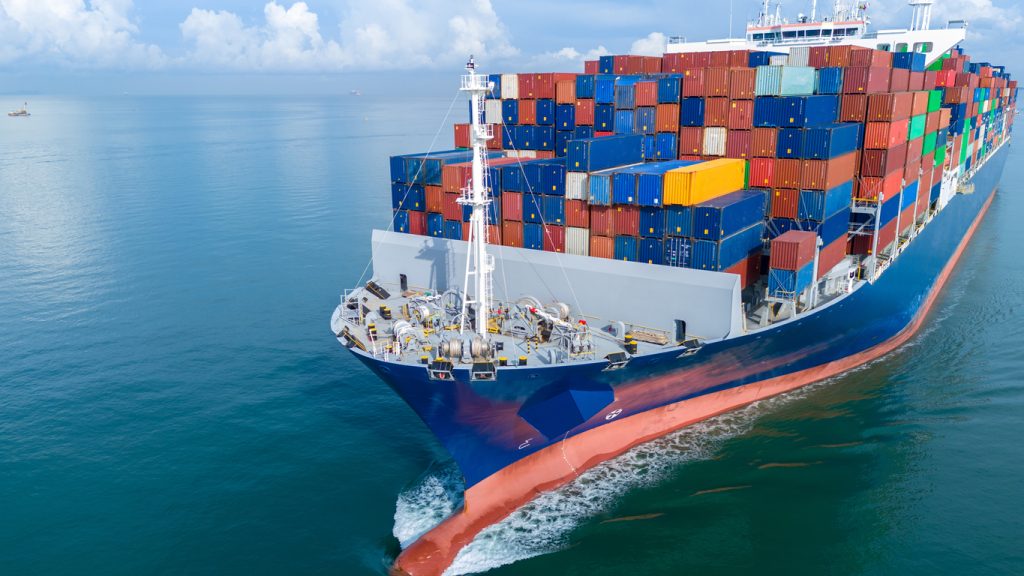
A cargo release delay in Nigeria is one of the most common challenges faced by importers moving goods through Apapa Port, Tin Can Island Port, Onne Port, Port Harcourt Port, and Murtala Muhammed International Airport. Even when shipments have arrived safely, delays in the release process can increase costs, disrupt supply chains, and affect business operations.
Whether the issue is related to customs documentation, shipping line procedures, regulatory approvals, or payment verification, understanding the causes of cargo release delays can help importers prepare more effectively and reduce risks.
What Is a Cargo Release Delay?
A cargo release delay occurs when imported goods cannot be handed over to the importer or consignee immediately after arrival.
The shipment may be physically present at the port or airport, but one or more requirements for release have not yet been satisfied.
As a result, the cargo remains under the control of customs authorities, terminal operators, shipping lines, or regulatory agencies until the issue is resolved.
Common Causes of Cargo Release Delays in Nigeria
Several factors can slow down cargo release.
Customs Documentation Problems
Missing, incomplete, or inconsistent documents remain one of the leading causes of delays.
Common issues include:
- Commercial invoice discrepancies
- Missing packing lists
- Form M errors
- PAAR issues
- Incorrect HS code declarations
- Certificate of origin problems
Customs Verification and Inspection
The:
Nigeria Customs Service
may select shipments for additional examination, valuation review, or compliance verification.
This can extend the clearance timeline.
Shipping Line Documentation Issues
Cargo release may be delayed because of:
- Missing original Bills of Lading
- Telex release problems
- Consignee discrepancies
- Delivery order processing delays
Regulatory Approval Delays
Certain goods require approvals from regulatory agencies before release.
Examples include:
- NAFDAC-regulated products
- Agricultural imports
- Controlled chemicals
- Medical products
Payment and Duty Verification
Outstanding charges or unresolved duty assessments may prevent cargo release until payment confirmation is completed.
How Cargo Release Delays Affect Importers
Delays can create significant operational and financial challenges.
Common consequences include:
- Port storage charges
- Container demurrage fees
- Delayed customer deliveries
- Inventory shortages
- Cash flow disruptions
- Supply chain inefficiencies
For businesses serving markets across Lagos, Abuja, Kano, Port Harcourt, Enugu, and Ibadan, release delays can impact sales and customer satisfaction.
Why Some Cargo Is Released Faster Than Others
Several factors influence release speed:
- Accuracy of documentation
- Product category
- Regulatory requirements
- Customs risk assessment
- Shipping line processing times
- Importer’s compliance history
Well-prepared shipments generally move through the system more efficiently.
How Importers Can Reduce Cargo Release Delays
Experienced importers often take proactive measures.
Verify Documents Before Shipment
Ensure invoices, packing lists, Bills of Lading, Form M, and PAAR information are accurate and consistent.
Prepare Regulatory Approvals Early
Obtain required permits and certifications before cargo arrives.
Maintain Communication
Coordinate closely with suppliers, freight forwarders, shipping lines, and clearing agents.
Monitor Shipment Progress
Track cargo movement and document status throughout the shipping process.
Resolve Queries Quickly
Address customs or shipping line requests immediately to prevent unnecessary delays.
The Importance of Planning Beyond Customs Clearance
Many businesses focus only on customs clearance and overlook what happens after cargo release.
Once goods are available for collection, efficient transportation becomes essential to avoid further delays.
This is where Travo.ng helps businesses across Nigeria.
Travo.ng supports:
- Cargo pickup from ports and airports
- Nationwide cargo transportation
- Interstate logistics services
- Commercial distribution support
- Business delivery solutions
- Last-mile logistics coordination
Whether cargo is moving from Lagos to Abuja, Kano, Port Harcourt, Enugu, or other destinations, Travo.ng helps businesses keep goods moving efficiently after release.
Why Reliable Logistics Matters After Cargo Release
Even after customs and shipping requirements have been completed, delays can still occur if transportation arrangements are not properly coordinated.
Reliable logistics support helps businesses:
- Reduce transit delays
- Improve delivery timelines
- Maintain inventory flow
- Meet customer expectations
- Strengthen supply chain performance
For many importers, successful logistics planning is just as important as successful customs clearance.
Final Insight
Cargo release delays in Nigeria can arise from customs checks, documentation errors, shipping line procedures, regulatory approvals, and payment verification issues. While some delays are unavoidable, many can be reduced through accurate documentation, proactive planning, and strong coordination between all parties involved. Once cargo is released, dependable logistics solutions such as those provided by Travo.ng help ensure goods reach their final destination quickly and efficiently.
