


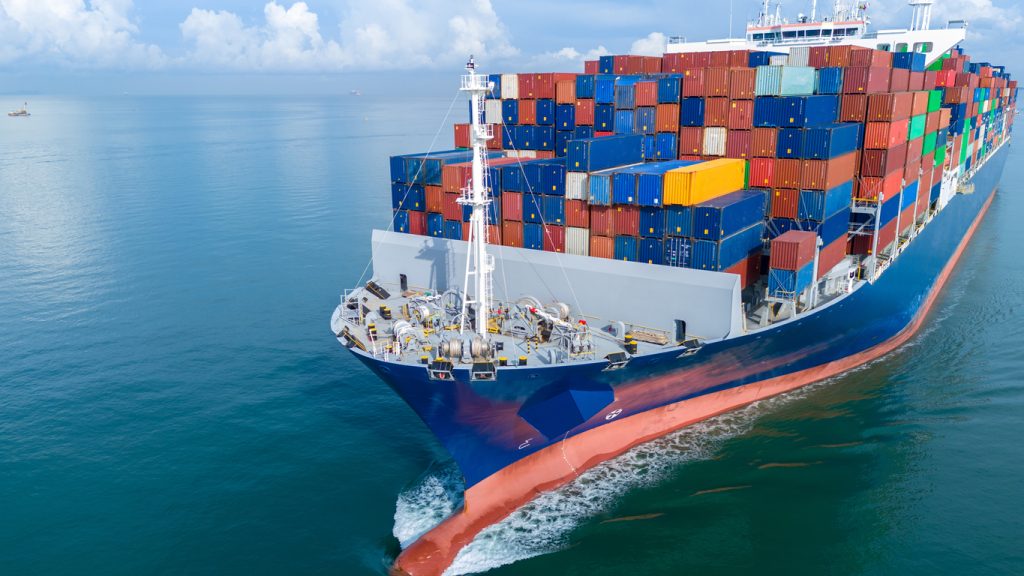
Cargo release after seizure in Nigeria refers to the process of recovering or obtaining permission to release goods that have been previously confiscated or detained by the Nigeria Customs Service (NCS). This process takes place at major ports such as Apapa Port, Tin Can Island Port, and Lekki Deep Sea Port, and is only possible when the importer meets all regulatory and compliance requirements.
In simple terms, it means fixing the issue that caused the seizure so Customs can release your goods.
⸻
When Cargo Can Be Released After Seizure
Cargo may be released if the importer successfully resolves the issue that led to seizure. This usually happens when:
- Documentation errors are corrected
- Outstanding import duties are paid
- Regulatory approvals are obtained
- Misclassification issues are resolved
- Valuation disputes are settled
- Non-compliance issues are addressed
However, not all seized cargo qualifies for release.
⸻
When Cargo Cannot Be Released
Cargo will NOT be released if:
- Goods are confirmed counterfeit or fake
- Items violate intellectual property rights
- Products are prohibited by Nigerian law
- Cargo is ordered for destruction
- Smuggling or illegal importation is proven
In such cases, Customs may confiscate or destroy the goods.
⸻
Step-by-Step Process for Cargo Release After Seizure
1. Identify the Reason for Seizure
The first step is to obtain a clear explanation from Customs, such as:
- Misdeclaration
- Duty underpayment
- Counterfeit suspicion
- Missing documentation
- Regulatory non-compliance
⸻
2. Review Cargo Documentation
Importers must review and correct:
- Commercial invoice
- Packing list
- Bill of lading
- Customs declaration forms
⸻
3. Engage a Licensed Clearing Agent
A professional clearing agent helps:
- Communicate with Customs officials
- Interpret compliance requirements
- Guide documentation correction
- Facilitate negotiation or clarification
⸻
4. Resolve Compliance Issues
Depending on the case, resolution may include:
- Payment of outstanding duties or penalties
- Correction of HS codes or product description
- Submission of missing certificates
- Regulatory approvals from SON or NAFDAC
⸻
5. Customs Verification
Customs may:
- Reinspect the cargo
- Verify corrected documents
- Confirm compliance with regulations
⸻
6. Approval for Release
If satisfied, Customs issues:
- Official cargo release approval
- Clearance authorization for removal from port
⸻
7. Cargo Pickup and Delivery
Once released, the importer can:
- Move cargo out of the port
- Arrange transportation and delivery
- Resume distribution or storage
⸻
Common Challenges in Cargo Release After Seizure
1. High Storage and Demurrage Costs
Charges accumulate while cargo remains at the port.
⸻
2. Complex Documentation Requirements
Multiple corrections may be required before approval.
⸻
3. Regulatory Delays
Approvals from agencies like SON or NAFDAC can take time.
⸻
4. Legal Disputes
Issues such as valuation disagreements or counterfeit allegations may delay release.
⸻
Types of Cargo Release Outcomes
Full Release
Cargo is fully cleared after compliance is met.
⸻
Conditional Release
Cargo is released with additional requirements or penalties.
⸻
Partial Release
Only approved portions of cargo are released.
⸻
Permanent Seizure
Cargo is confiscated or destroyed if illegal or counterfeit.
⸻
How to Improve Chances of Cargo Release
1. Maintain Accurate Documentation
Ensure consistency in:
- Invoice
- Packing list
- Bill of lading
- Customs declaration
⸻
2. Work With Trusted Suppliers
- Avoid counterfeit-prone sources
- Verify manufacturer legitimacy
⸻
3. Ensure Regulatory Compliance
- Obtain SON or NAFDAC approvals where required
- Follow import guidelines strictly
⸻
4. Respond Quickly to Customs Queries
- Delays can increase storage costs and complications
⸻
5. Use Experienced Clearing Agents
- Professionals improve communication and resolution speed
⸻
Role of Logistics in Cargo Release
Efficient logistics support reduces delays and helps ensure smooth cargo movement after release.
Travo.ng supports businesses through:
- Cargo pickup from Apapa, Tin Can, and Lekki ports
- Nationwide transportation services
- Interstate logistics coordination
- Commercial cargo delivery
- Distribution support for businesses
- Last-mile delivery solutions
Strong logistics planning helps businesses recover cargo faster after clearance.
⸻
Final Insight
Cargo release after seizure in Nigeria is a structured process that depends on resolving the original cause of seizure, whether it involves documentation errors, duty issues, or regulatory non-compliance. While many shipments can be successfully released, counterfeit or illegal goods are typically not recoverable. Proper documentation, supplier verification, and compliance remain the most effective ways to avoid seizure in the first place.
