


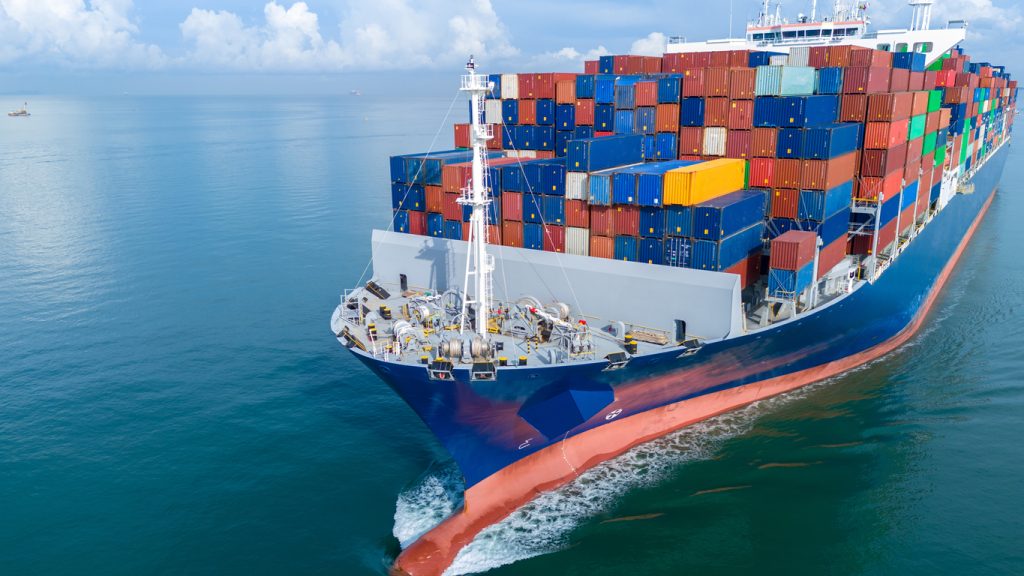
Cargo quality issues in Nigeria refer to any situation where imported or exported goods fail to meet expected standards in condition, safety, quantity, or performance after shipping, handling, or storage. This can include damage, contamination, deterioration, or incorrect specifications.
In simple terms, it means the cargo arrives, but it is not in the right condition or quality expected.
Types of Cargo Quality Issues
1. Physical Damage
Goods are damaged during handling or transport:
- Broken cartons
- Crushed packaging
- Scratched or dented products
2. Contamination Issues
Cargo becomes unsafe or unusable due to:
- Chemical exposure
- Odor contamination
- Food spoilage
- Moisture damage
3. Quantity Discrepancy
Issues where:
- Items are missing
- Incorrect quantity delivered
- Partial shipment loss
4. Specification Mismatch
Goods differ from what was ordered:
- Wrong model or size
- Incorrect product type
- Substandard replacement items
5. Deterioration Issues
Gradual loss of quality due to:
- Heat exposure
- Humidity
- Long transit delays
Common Causes of Cargo Quality Issues in Nigeria
1. Poor Handling at Ports
During:
- Loading
- Offloading
- Inspection
2. Long Port Dwell Time
Delays increase exposure to:
- Heat
- Moisture
- Theft or tampering
3. Weak Packaging
Poor packaging allows:
- Breakage
- Contamination
- Moisture entry
4. Container Problems
Includes:
- Leakage
- Odor contamination
- Dirty or damaged interiors
5. Improper Storage Conditions
Goods stored in:
- Unventilated warehouses
- Open yards
- High-humidity environments
6. Transportation Issues
During inland movement:
- Road vibration damage
- Poor stacking
- Rough handling
7. Incorrect Documentation or Mislabeling
Leads to wrong goods being shipped or delivered.
High-Risk Goods for Quality Issues
- Food and beverages
- Pharmaceuticals
- Electronics
- Cosmetics
- Textiles
- Agricultural products
Impact of Cargo Quality Issues
1. Financial Loss
Importers may lose:
- Entire shipments
- Resale value
- Customer contracts
2. Regulatory Rejection
Authorities may reject goods due to:
- Safety concerns
- Non-compliance with standards
3. Customer Dissatisfaction
Poor-quality goods reduce trust and sales.
4. Supply Chain Disruption
Delays in distribution and inventory shortages.
5. Insurance Claims
Requires investigation and proof of cause.
How Cargo Quality Issues Are Detected
1. Visual Inspection
Checks for:
- Damage
- Spoilage
- Packaging issues
2. Quantity Verification
Compare:
- Packing list
- Actual delivery
3. Product Testing
Used for:
- Food safety
- Chemical safety
- Electronics functionality
4. Documentation Review
Ensures correct:
- Shipment details
- Product specifications
What to Do When Cargo Quality Issues Occur
1. Inspect Immediately on Arrival
Do not mix with good stock.
2. Document Evidence
Include:
- Photos
- Videos
- Inspection reports
3. Notify Stakeholders
Inform:
- Shipping line
- Freight forwarder
- Supplier
- Insurance company
4. Conduct Cargo Survey
A surveyor assesses:
- Cause of issue
- Extent of damage
- Liability
5. File Insurance Claim
Submit:
- Bill of lading
- Survey report
- Commercial invoice
- Evidence of damage
Prevention of Cargo Quality Issues
1. Use Strong Packaging Materials
Protect against:
- Impact
- Moisture
- Contamination
2. Proper Container Selection
Use clean, dry, and appropriate containers.
3. Reduce Transit Delays
Faster clearance reduces exposure risk.
4. Cargo Segregation
Avoid mixing incompatible goods.
5. Proper Warehouse Storage
Ensure:
- Temperature control
- Clean environment
- Pest control
6. Use Reliable Logistics Providers
Experienced handlers reduce damage risk.
7. Pre-Shipment Inspection
Verify goods before dispatch.
Insurance Coverage for Cargo Quality Issues
Cargo insurance may cover:
- Transit damage
- Contamination
- Partial loss of goods
- Moisture or temperature-related damage
Coverage depends on:
- Policy terms
- Evidence provided
- Cargo type
How Travo.ng Supports Businesses After Clearance
While cargo quality issues often begin during shipping and storage, proper logistics after clearance helps maintain product condition.
This is where Travo.ng supports businesses across Nigeria.
Travo.ng provides:
- Cargo pickup from ports and airports
- Nationwide transportation services
- Interstate logistics coordination
- Commercial cargo delivery
- Distribution support for businesses
- Last-mile delivery solutions
Proper handling reduces additional risk during inland movement.
Final Insight
Cargo quality issues in Nigeria occur due to poor handling, delays, contamination, and packaging failures. They affect product safety, value, and business reputation. Preventing them requires strong packaging, proper logistics management, and reliable supply chain practices.
