


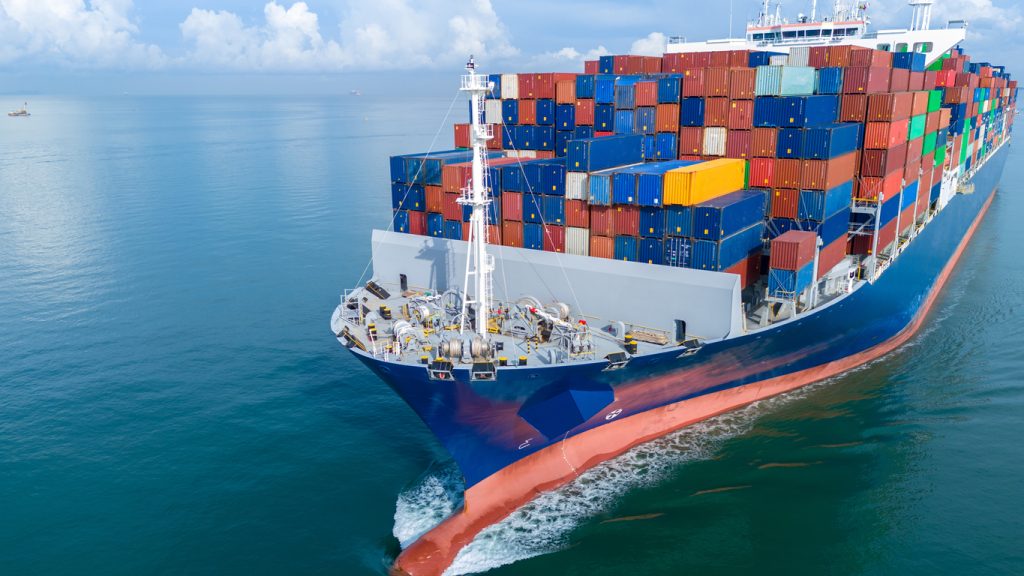
Cargo contamination in Nigeria refers to the unwanted alteration, pollution, or mixing of goods during transportation, storage, or handling, making them unsafe, unusable, or below quality standards. It can affect food products, pharmaceuticals, chemicals, textiles, and even industrial goods.
In simple terms, cargo contamination is when goods become spoiled or unsafe because they were exposed to harmful substances or conditions during logistics.
Types of Cargo Contamination
1. Water Contamination
Caused by:
- Container leaks
- Rain exposure
- Sea water ingress
- Condensation inside containers
2. Chemical Contamination
Occurs when cargo is exposed to:
- Fuel or oil spills
- Cleaning chemicals
- Industrial residues
- Hazardous materials in shared storage
3. Biological Contamination
Common in food and pharma goods:
- Mold growth
- Bacteria
- Insects or pests
- Rodent contamination
4. Odor Contamination
Strong-smelling goods affect others:
- Perfumes mixing with food items
- Chemicals affecting textiles
- Fuel odors entering packaging
5. Cross-Contamination
Happens when different cargo types mix due to:
- Poor segregation in warehouses
- Improper container loading
- Shared storage space
Common Causes of Cargo Contamination in Nigeria
1. Poor Container Condition
- Rust
- Leaks
- Dirty container interiors
2. Improper Storage
Goods stored in:
- Humid environments
- Unclean warehouses
- Open yards
3. Port Handling Issues
Exposure during:
- Inspection
- Offloading
- Delays in clearance
4. Mixing of Incompatible Goods
Example:
- Food stored near chemicals
- Pharmaceuticals near industrial goods
5. Poor Packaging
Weak or damaged packaging allows exposure.
6. Weather Exposure
High humidity and heavy rains increase contamination risks.
Impact of Cargo Contamination
1. Product Loss
Goods may become:
- Unusable
- Unsafe
- Non-compliant
2. Financial Loss
Importers may face:
- Full write-offs
- Replacement costs
- Reduced profit margins
3. Regulatory Issues
Contaminated goods may be rejected by:
- Customs
- NAFDAC (for food/pharma)
- Quality control agencies
4. Supply Chain Disruption
Delays in distribution and restocking.
5. Reputation Damage
Poor-quality goods affect customer trust.
High-Risk Goods for Contamination
- Food and beverages
- Pharmaceuticals
- Cosmetics
- Textiles
- Chemicals
- Agricultural products
How Cargo Contamination Is Detected
1. Visual Inspection
Look for:
- Mold
- Wet packaging
- Stains
2. Smell Tests
Unusual odors indicate contamination.
3. Laboratory Testing
Used for:
- Food safety checks
- Chemical analysis
- Pharmaceutical compliance
4. Packaging Inspection
Check for:
- Broken seals
- Damaged cartons
- Moisture exposure
What to Do When Cargo Is Contaminated
1. Isolate the Cargo
Prevent further spread of contamination.
2. Document Evidence
Collect:
- Photos
- Videos
- Inspection reports
3. Notify Stakeholders
Inform:
- Shipping line
- Freight forwarder
- Insurance company
4. Conduct Cargo Survey
A surveyor determines:
- Cause of contamination
- Extent of damage
- Salvage possibility
5. File Insurance Claim
Submit:
- Insurance certificate
- Survey report
- Shipping documents
How to Prevent Cargo Contamination
1. Use Clean, Dry Containers
Always inspect before loading.
2. Proper Packaging
Use:
- Waterproof materials
- Sealed packaging
- Protective wrapping
3. Cargo Segregation
Do not mix incompatible goods.
4. Use Desiccants
Helps reduce moisture inside containers.
5. Improve Warehouse Hygiene
Ensure:
- Clean storage areas
- Pest control
- Proper ventilation
6. Reduce Transit Delays
Shorter exposure time reduces risk.
7. Work With Reliable Logistics Providers
Proper handling reduces contamination risks.
Insurance Coverage for Cargo Contamination
Cargo insurance may cover:
- Water damage leading to contamination
- Accidental contamination during transit
- Spoilage of insured goods
Coverage depends on:
- Policy terms
- Type of cargo
- Proof of cause
How Travo.ng Supports Businesses After Clearance
While cargo contamination often happens during shipping and storage, proper logistics after clearance helps prevent further damage.
This is where Travo.ng supports businesses across Nigeria.
Travo.ng provides:
- Cargo pickup from ports and airports
- Nationwide transportation services
- Interstate logistics coordination
- Commercial cargo delivery
- Distribution support for businesses
- Last-mile delivery solutions
Proper handling ensures goods remain safe during inland movement.
Final Insight
Cargo contamination in Nigeria is a serious logistics issue that affects product safety and quality, especially for food, pharmaceuticals, and sensitive goods. It is caused by poor storage, container issues, and environmental exposure. Prevention depends on proper packaging, clean handling, strict segregation, and reliable logistics management.
