


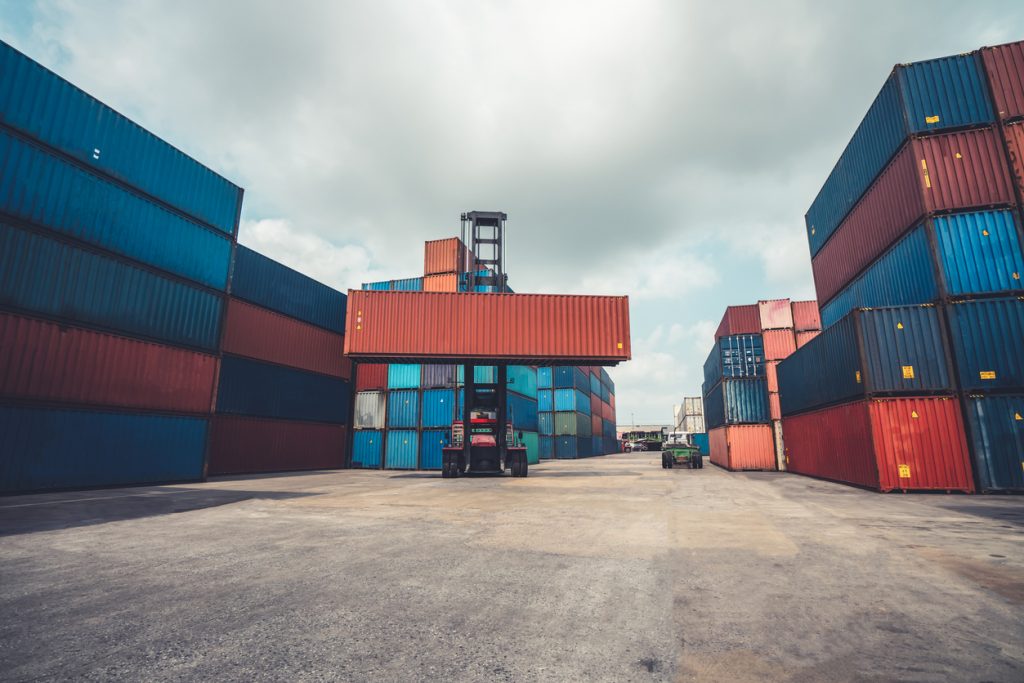
Cargo auction by Customs in Nigeria refers to the official sale of seized or abandoned imported goods by the Nigeria Customs Service (NCS). This process is carried out at major ports such as Apapa Port, Tin Can Island Port, and Lekki Deep Sea Port to recover unpaid duties, clear port congestion, and dispose of unclaimed cargo.
In simple terms, Customs sells off cargo that importers failed to clear or that was seized due to violations.
What Is Cargo Auction by Customs?
Cargo auction is a government-controlled disposal process where:
- Abandoned containers are sold to the public
- Seized goods are liquidated legally
- Customs recovers unpaid duties and charges
- Ports are cleared of long-stored cargo
Why Customs Auctions Cargo in Nigeria
1. Abandoned Cargo
- Importers fail to clear goods
- Cargo remains unclaimed beyond storage period
2. Customs Seizure
Goods are confiscated due to:
- Misdeclaration
- Smuggling attempts
- Counterfeit products
- Regulatory violations
3. High Accumulated Charges
- Demurrage and storage fees become excessive
- Importers abandon cargo due to cost
4. Regulatory Non-Compliance
- Missing SON or NAFDAC approvals
- Restricted or prohibited goods
Types of Cargo Auction in Nigeria
1. Public Auction
- Open to registered bidders
- Conducted by Customs officials
2. Sealed Bid Auction
- Participants submit confidential bids
- Highest bidder wins
3. Electronic Auction (Occasional)
- Conducted via approved digital platforms
- Online bidding process
How Cargo Auction by Customs Works
Step 1: Identification of Cargo
Customs identifies:
- Abandoned containers
- Seized shipments
- Unclaimed goods
Step 2: Valuation of Goods
- Customs assesses market value
- Sets minimum auction price
Step 3: Public Notice Announcement
- Auction details are published
- Eligible bidders are invited
Step 4: Registration of Bidders
Participants must:
- Register with Customs
- Provide valid identification
- Meet eligibility requirements
Step 5: Inspection (Where Allowed)
- Buyers may inspect cargo
- Condition and contents may be verified
Step 6: Bidding Process
- Participants submit bids
- Highest or approved bid wins
Step 7: Payment and Release
- Winning bidder pays required amount
- Cargo is officially released
What Happens After Auction
Once sold:
- Ownership transfers to buyer
- Buyer clears cargo from port
- Customs removes responsibility for goods
- Proceeds are used to recover duties and charges
Risks of Buying Auctioned Cargo
1. Unknown Condition of Goods
- Items may be damaged or incomplete
2. Hidden Costs
- Additional handling or clearance fees
3. Regulatory Restrictions
- Some goods may still require approvals
4. No Warranty
- Goods are sold “as-is”
5. Competition
- High demand can increase bidding prices
Benefits of Customs Cargo Auction
1. Affordable Goods
- Opportunity to acquire low-cost inventory
2. Business Opportunities
- Resale or distribution potential
3. Revenue Recovery
- Helps government recover unpaid duties
4. Port Decongestion
- Frees storage space at terminals
Can Original Importers Recover Auctioned Cargo?
Usually:
- Once auction is completed, ownership is transferred
- Original importer loses rights to the goods
- Recovery is only possible before final sale in rare cases
How to Avoid Cargo Auction by Customs
1. Clear Cargo Quickly
Avoid delays in customs clearance and documentation.
2. Pay Duties on Time
Ensure timely payment of import charges.
3. Resolve Compliance Issues Early
Fix SON, NAFDAC, or documentation issues promptly.
4. Monitor Storage Time
Track cargo from arrival to avoid exceeding free days.
5. Use Licensed Clearing Agents
Professionals help prevent delays and penalties.
Role of Logistics in Preventing Cargo Auction
Efficient logistics helps ensure cargo is cleared and moved on time, reducing the risk of abandonment and auction.
Travo.ng supports businesses through:
- Cargo pickup from Apapa, Tin Can, and Lekki ports
- Nationwide transportation services
- Interstate logistics coordination
- Commercial cargo delivery
- Distribution support for businesses
- Last-mile delivery solutions
Strong logistics systems reduce clearance delays and protect cargo from auction risk.
Final Insight
Cargo auction by Customs in Nigeria is a legal process used to dispose of abandoned or seized goods and recover government revenue. While it creates opportunities for buyers, it represents a major loss risk for importers who fail to clear cargo on time. Proper planning, documentation, and logistics support are essential to avoid losing goods to auction.
