


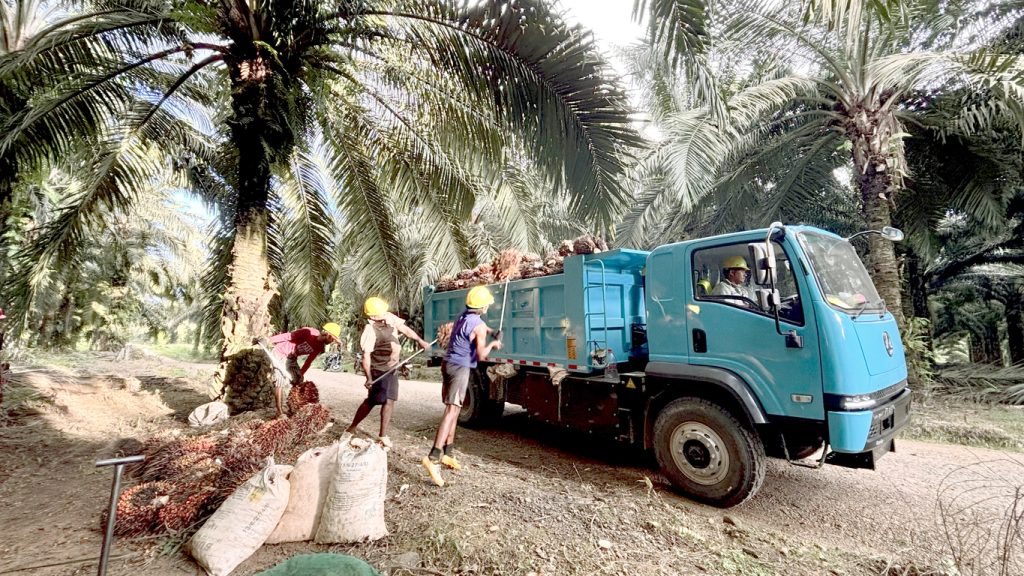
Agri-commodity traceability and certification has become one of the biggest deciding factors in whether Nigerian agricultural exports are accepted in global markets or rejected before they even get a chance to compete. Today, buyers in Europe, Asia, and the Middle East don’t just want good quality crops—they want proof of where the crops came from, how they were handled, and whether every stage of the supply chain can be verified.
For exporters moving goods through hubs like Lagos, traceability is no longer optional. It is a requirement that sits alongside sampling, lab testing, packaging inspection, and vessel clearance.
Without it, even high-quality sesame, cocoa, or cashew shipments can be rejected.
Why international buyers now care more about traceability than just quality
A lot of exporters still assume that if the product looks good and passes lab tests, it is enough. But global supply chains have changed.
Buyers now ask:
- Where exactly was this crop grown?
- Which farm or aggregation point handled it?
- What chemicals or fertilizers were used?
- How was it stored before export?
- Can every batch be tracked back to origin?
This shift is driven by stricter food safety regulations and rising demand for transparency in food sourcing.
Even if your cocoa beans are premium quality, lack of traceability can block the deal.
What agri-commodity traceability actually means in real operations
Traceability is not just paperwork—it is a full tracking system that follows agricultural goods from farm to final export.
A proper traceability system includes:
- Farm or sourcing location identification
- Batch numbering for every consignment
- Records of harvesting and processing dates
- Storage and warehouse tracking logs
- Transport history between locations
- Export documentation linked to physical cargo
Each stage must connect clearly so that the entire supply chain can be verified without gaps.
Where traceability usually breaks down in Nigeria’s agro-export chain
Most traceability problems don’t come from the export stage—they start much earlier in the supply chain.
Common breakdown points include:
- Mixing produce from multiple farms without proper batch separation
- Lack of documentation at aggregation centers
- Informal buying from multiple rural sources without recordkeeping
- Poor labelling during storage and packaging
- Missing transport logs between inland areas and Lagos export hubs
Once traceability is broken, it is very difficult to rebuild it at inspection level.
Why certification is now required before cargo can move internationally
Certification is the official proof that your agricultural goods meet required safety, quality, and regulatory standards.
Depending on destination markets, certifications may include:
- Food safety compliance certificates
- Organic or pesticide-residue approvals
- Phytosanitary certification
- Export quality grading reports
- Laboratory testing verification documents
These certifications are often requested before cargo is even allowed to leave Nigeria or before it is accepted at destination ports.
The connection between traceability, sampling, and lab testing
Traceability does not work alone. It is directly linked to agricultural sampling and laboratory testing.
For example:
- A lab result is only valid if it is linked to a specific batch
- Sampling must match traceable storage units
- Certification depends on verified test records
- Export approval requires consistent documentation across all stages
If any of these links is missing, certification can be delayed or rejected.
Why exporters lose contracts due to poor traceability systems
In many cases, Nigerian exporters don’t lose deals because of product quality—they lose them because buyers cannot verify origin or handling history.
Typical consequences include:
- Buyers rejecting shipments due to missing documentation
- Lower pricing offers due to perceived risk
- Delays in customs clearance at destination ports
- Loss of long-term supply contracts
- Increased inspection frequency on future shipments
Global buyers prefer suppliers who reduce uncertainty, and traceability is a major part of that trust.
How traceability affects inspections at Lagos export terminals
At export hubs in Lagos, inspectors don’t just check physical cargo—they verify documentation alignment.
Common checks include:
- Matching batch numbers with physical packaging
- Confirming lab reports correspond to shipment records
- Verifying farm origin against export declarations
- Ensuring certification documents are valid and up to date
If traceability is inconsistent, containers may be held for further investigation.
The cost of weak traceability systems for agro-exporters
Poor traceability does not just affect compliance—it affects profitability.
Common financial impacts include:
- Shipment delays leading to demurrage charges
- Cost of re-documentation and re-certification
- Loss of premium pricing in international markets
- Increased rejection rates and cargo returns
- Higher inspection frequency for future exports
Over time, this reduces competitiveness in global agricultural trade.
How experienced exporters build strong traceability systems
Professional exporters don’t treat traceability as an afterthought. They build it into every stage of operations.
Best practices include:
- Assigning batch codes at farm or sourcing level
- Maintaining digital or physical records for every movement
- Standardizing documentation across all aggregation points
- Training warehouse handlers on record accuracy
- Linking lab tests directly to batch identifiers
- Verifying documentation before container sealing
This ensures full visibility from farm to export point.
How Travo.ng supports traceability and certification logistics
In real export operations, traceability depends not only on documentation but also on how smoothly goods and records move between locations.
Travo.ng supports exporters by helping coordinate the logistics that make traceability and certification easier to maintain, including:
- Movement of agricultural goods between farms, warehouses, and inspection points
- Time-sensitive delivery of samples and documentation
- Coordination of cargo transport aligned with certification processes
- Reduced delays that can break traceability chains
When logistics are well managed, traceability systems remain intact and certification becomes faster and more reliable.
When traceability becomes the deciding factor in export success
In today’s agricultural export market, traceability and certification are no longer optional administrative steps. They are core requirements that determine whether cargo is trusted, approved, and accepted internationally.
Even when quality is high and pricing is competitive, weak traceability can stop an export deal completely.
That is why serious exporters now treat traceability as part of their production system—not just paperwork at the end.
