


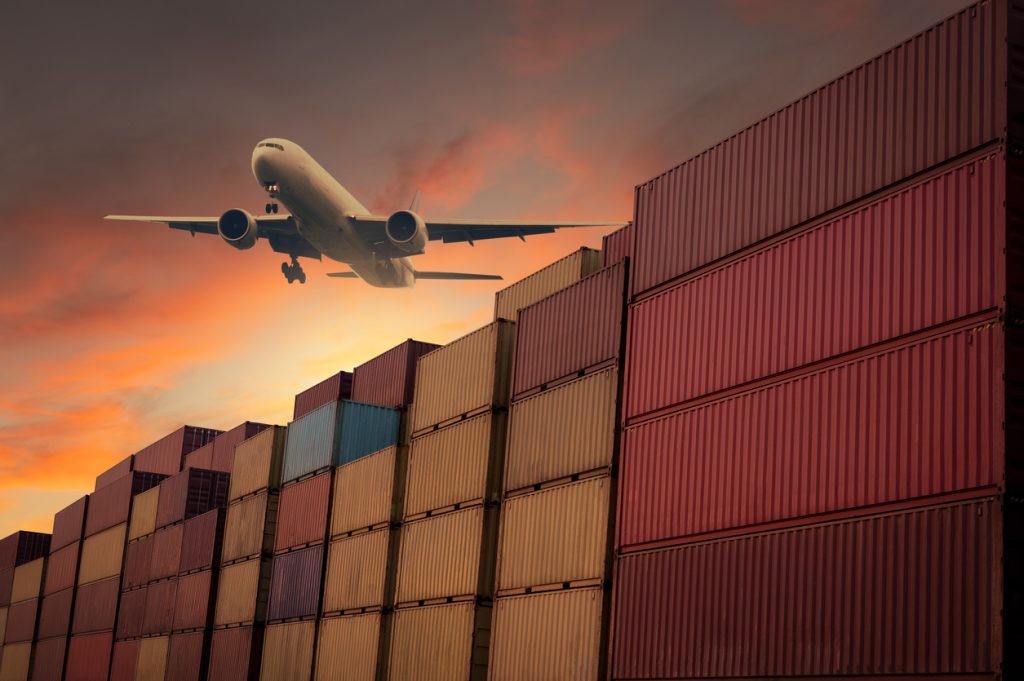
Africa-wide cargo transport from Nigeria involves moving goods beyond Nigerian borders to customers, distributors, warehouses and businesses across other African countries.
Depending on the destination and cargo type, businesses can use road freight, sea freight, air freight or a combination of different transport modes. For West African destinations, road transport is particularly useful for regional distribution, while sea and air freight can be more suitable for longer-distance or time-sensitive shipments. (Merko)
What Cargo Can Be Transported from Nigeria?
Cargo transport providers can handle different types of commercial shipments, including:
- FMCG and consumer goods
- Agricultural products
- Spare parts
- Electronics
- Machinery and equipment
- Building materials
- Retail inventory
- Industrial supplies
- Packaged food products
- E-commerce shipments
- Oversized and heavy cargo
The appropriate truck or transport method depends on the cargo’s weight, dimensions, value, handling requirements and destination.
Nigeria to West Africa by Road
Road freight is particularly important for shipments moving from Nigeria into neighbouring West African markets.
Common regional corridors connect Nigeria with countries such as:
- Benin
- Togo
- Ghana
- Côte d’Ivoire
- Senegal
- Other ECOWAS markets
For example, Lagos-based freight operators advertise cross-border road services along the Lagos–Cotonou, Lagos–Lomé and Lagos–Accra corridors. (Merko)
Road transport can be useful for businesses that need door-to-door or warehouse-to-warehouse delivery rather than moving cargo only between ports.
Choosing the Right Truck
The truck should match the cargo rather than simply choosing the cheapest available vehicle.
Depending on the shipment, you may need:
- Box trucks
- Curtainsider trucks
- Flatbeds
- Lowbeds
- Container trucks
- Refrigerated trucks
- Tankers
- Heavy-haulage vehicles
Full Truckload (FTL) is useful when one shipment requires most or all of the vehicle’s capacity. Less-than-truckload (LTL) can be considered when the cargo does not justify an entire truck. Road freight operators in Nigeria and West Africa advertise both FTL and LTL solutions. (Flaming Integrated Logistiks Ltd)
Customs and Border Documentation
Cross-border cargo requires more planning than domestic delivery.
Before dispatch, confirm:
- Commercial invoice
- Packing list
- Certificate of origin where required
- Customs documentation
- Transport documents
- Import permits where applicable
- Product-specific certificates
- Cargo insurance
- Destination-country requirements
The exact requirements depend on the cargo and destination. A freight provider with cross-border customs experience can help identify the documentation required before the truck reaches the border.
Nigeria to Ghana Cargo Transport
Ghana is an important destination for Nigerian businesses trading within West Africa.
A shipment can be collected from a warehouse, factory or supplier in Nigeria and transported towards Ghana for delivery to a warehouse, distributor or customer.
For regular commercial shipments, businesses should agree in advance on:
- Pickup location
- Cargo volume
- Truck type
- Delivery location
- Customs responsibility
- Border procedures
- Transit milestones
- Insurance
- Proof of delivery
This makes it easier to calculate the complete logistics cost before the cargo leaves Nigeria.
Nigeria to Benin and Togo
Benin and Togo are among the closest international road destinations from Lagos.
The Lagos–Cotonou and Lagos–Lomé corridors can be useful for businesses distributing goods from southwestern Nigeria into neighbouring markets. (Merko)
For frequent shipments, businesses should consider establishing a repeatable process for documentation, vehicle scheduling, border handling and destination delivery instead of arranging every shipment from scratch.
Cargo Transport to Côte d’Ivoire and Other Markets
For destinations farther along the West African coast, businesses can consider road, sea or multimodal transport depending on cargo requirements.
Côte d’Ivoire, for example, can be served through the Lagos–Abidjan trade corridor, while longer African routes may involve a combination of road, sea or air freight. (Merko)
For large commercial shipments, compare the complete door-to-door cost rather than looking only at the freight charge.
Sea Freight for Africa-Wide Cargo
Sea freight can be suitable when the cargo is too large or too heavy for economical air transport or when delivery speed is less critical.
Businesses shipping from Lagos can use containerised options such as:
- Full Container Load
- Less than Container Load
- Roll-on/Roll-off for suitable vehicles and equipment
- Project cargo for oversized shipments
Sea freight may be particularly useful for large commercial inventory, machinery and international distribution.
Air Cargo for Urgent Shipments
Air freight can make sense when speed is more important than cost.
It may be considered for:
- High-value goods
- Documents
- Samples
- Electronics
- Urgent spare parts
- Pharmaceuticals
- Time-sensitive commercial shipments
The cargo should be checked against airline, airport and destination-country requirements before booking.
Tracking Your Cargo
For cross-border shipments, visibility is important.
Ask the transport provider whether you will receive:
- Pickup confirmation
- Vehicle details
- Driver information
- Departure updates
- Border-crossing updates
- Estimated arrival
- Delivery confirmation
- Proof of delivery
Some modern freight operators also provide GPS tracking and milestone updates throughout the journey. (ZyHaul)
Cargo Insurance
Do not assume that a transport quotation automatically means your cargo is fully insured.
Ask specifically:
- What insurance is included?
- What value is covered?
- What risks are covered?
- What is excluded?
- What happens if cargo is damaged?
- What is the claims procedure?
This becomes especially important when moving expensive machinery, electronics, bulk inventory or fragile goods across international borders.
Warehousing and Distribution
Africa-wide cargo transport often works better when transportation is combined with storage and distribution.
For example, goods can move from a Nigerian manufacturer to a warehouse in Lagos, then travel by road to a regional warehouse in another country before being distributed to retailers.
Some logistics providers combine road freight with bonded or dry warehousing and last-mile distribution, allowing businesses to manage more of the supply chain through one logistics arrangement. (Merko)
Tribal and Cultural Considerations
Africa is culturally diverse, and business practices can vary significantly between countries and communities.
When arranging cross-border deliveries, use clear commercial documentation and confirm the exact delivery address, contact person, operating hours and receiving requirements.
For drivers and logistics teams, understanding local business customs and communicating respectfully with border, warehouse and receiving teams can also make operations smoother.
Avoid assuming that one procedure works identically across every African market.
Using Travo.ng for Cargo Movement
Africa-wide cargo transport requires coordination between pickup, transportation, documentation, storage and final delivery.
Travo.ng can support relevant logistics needs such as cargo movement, delivery coordination, transport arrangements, relocation logistics and other business logistics requirements.
For businesses shipping regularly from Nigeria, having one coordinated logistics process can make it easier to manage pickups, warehouse transfers and customer deliveries.
Questions to Ask Before Booking
Before sending cargo from Nigeria to another African country, confirm:
- What transport mode will be used?
- What type of truck or vehicle is required?
- Is the shipment FTL or LTL?
- What documents are required?
- Who handles customs clearance?
- Is cargo insurance included?
- What is the estimated transit time?
- Will the shipment be tracked?
- Where will the cargo be delivered?
- Are there additional border or handling charges?
- What happens if the shipment is delayed?
- Will you receive proof of delivery?
Africa-wide cargo transport from Nigeria works best when the route, cargo type, documentation, vehicle, insurance and final delivery arrangements are planned before dispatch. For regular commercial shipments, a reliable end-to-end logistics process can also make costs and delivery performance easier to manage.
