


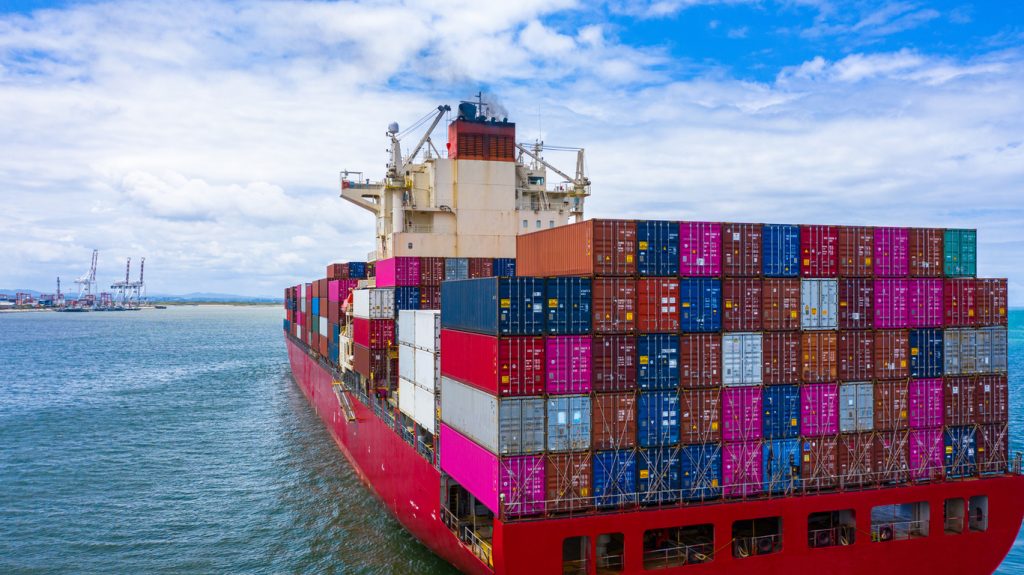
Haulage services at Lagos ports refer to the transportation of shipping containers and cargo from port terminals such as Apapa Port, Tin Can Island Port, and Lekki Port to warehouses, factories, or final delivery destinations. This service is a key part of Nigeria’s import logistics chain.
In simple terms, haulage is the truck movement that takes goods out of the port after clearance.
What Haulage Services Involve at Lagos Ports
Haulage services typically include:
- Container pickup from terminals
- Transportation to warehouses or inland depots
- Movement between logistics facilities
- Delivery of goods to final destinations
- Return of empty containers to shipping lines
Types of Haulage Services in Lagos Ports
1. Container Haulage
Movement of 20ft and 40ft shipping containers from port to destination.
2. Bulk Cargo Haulage
Transporting unpackaged goods like:
- Cement
- Grain
- Petroleum products
3. Breakbulk Haulage
For non-containerized cargo such as machinery and heavy equipment.
4. Refrigerated (Reefer) Haulage
Used for temperature-sensitive goods like:
- Food items
- Pharmaceuticals
5. Specialized Heavy-Duty Haulage
For oversized or heavy cargo requiring special trucks.
Major Challenges of Haulage Services at Lagos Ports
1. Port Congestion
Causes delays in:
- Truck entry
- Loading operations
- Cargo release
2. Truck Shortage
Not enough trucks to handle high container volumes.
3. Traffic Gridlock
Especially around:
- Apapa
- Tin Can Island
This slows down truck movement significantly.
4. High Cost of Operations
Includes:
- Fuel price increases
- Maintenance costs
- Delay-related expenses
5. Poor Road Infrastructure
Bad access roads reduce efficiency and increase turnaround time.
6. Inefficient Scheduling Systems
Issues include:
- Poor coordination between terminals and truckers
- Sudden container release spikes
- Lack of real-time booking systems
7. Customs and Regulatory Delays
Cargo may be delayed due to:
- Inspection requirements
- Documentation issues
- Agency approvals (SON, NAFDAC, etc.)
Effects of Haulage Problems in Lagos Ports
1. Increased Demurrage Charges
Containers stay longer at the port.
2. Supply Chain Disruption
Impacts:
- Manufacturing delays
- Retail shortages
- Distribution breakdowns
3. Higher Logistics Costs
Due to:
- Emergency truck hire
- Waiting time charges
- Storage fees
4. Cargo Damage Risk
Long delays may cause:
- Moisture damage
- Heat exposure
- Contamination
5. Business Uncertainty
Difficult to predict delivery timelines.
Solutions to Haulage Problems in Lagos Ports
1. Electronic Truck Call-Up System
Helps regulate truck movement into ports.
2. Improved Port Infrastructure
Better roads, terminals, and equipment reduce congestion.
3. Pre-Booking Trucking Services
Secures haulage before cargo is ready.
4. Use of Inland Dry Ports
Reduces pressure on Lagos terminals.
5. Off-Dock Warehousing
Enables faster cargo evacuation.
6. Better Stakeholder Coordination
Between:
- Customs
- Terminal operators
- Trucking companies
- Freight forwarders
7. Increased Fleet Investment
Encouraging more haulage companies to expand capacity.
How Businesses Can Improve Haulage Efficiency
1. Work with Reliable Logistics Providers
Experienced providers reduce delays.
2. Pre-Clear Cargo Documentation
Speeds up release and pickup.
3. Avoid Peak Import Periods
Reduces congestion impact.
4. Diversify Transport Options
Use multiple haulage providers.
5. Use Real-Time Tracking Systems
Helps monitor cargo movement and reduce uncertainty.
Risks Associated with Poor Haulage Services
- High demurrage and storage costs
- Missed delivery deadlines
- Supply chain breakdown
- Cargo damage or theft
- Increased operational expenses
Role of Insurance in Haulage Operations
Cargo insurance may cover:
- Physical damage during transport
- Theft or loss under covered conditions
- Contamination in certain cases
However, delays, waiting time, and haulage inefficiencies are usually not covered unless explicitly included.
How Travo.ng Supports Haulage Services in Lagos
Haulage challenges often begin after cargo is cleared from the port. Efficient transport coordination is essential for smooth delivery.
This is where Travo.ng supports businesses across Nigeria.
Travo.ng provides:
- Cargo pickup from Apapa, Tin Can, and Lekki ports
- Nationwide transportation services
- Interstate logistics coordination
- Commercial cargo delivery
- Distribution support for businesses
- Last-mile delivery solutions
Efficient haulage planning helps reduce delays and improve supply chain performance.
Final Insight
Haulage services at Lagos ports are essential for moving cargo out of congested terminals into the supply chain. However, challenges like congestion, truck shortages, and poor infrastructure increase costs and delays. Strategic planning and reliable logistics partnerships are key to improving efficiency.
