


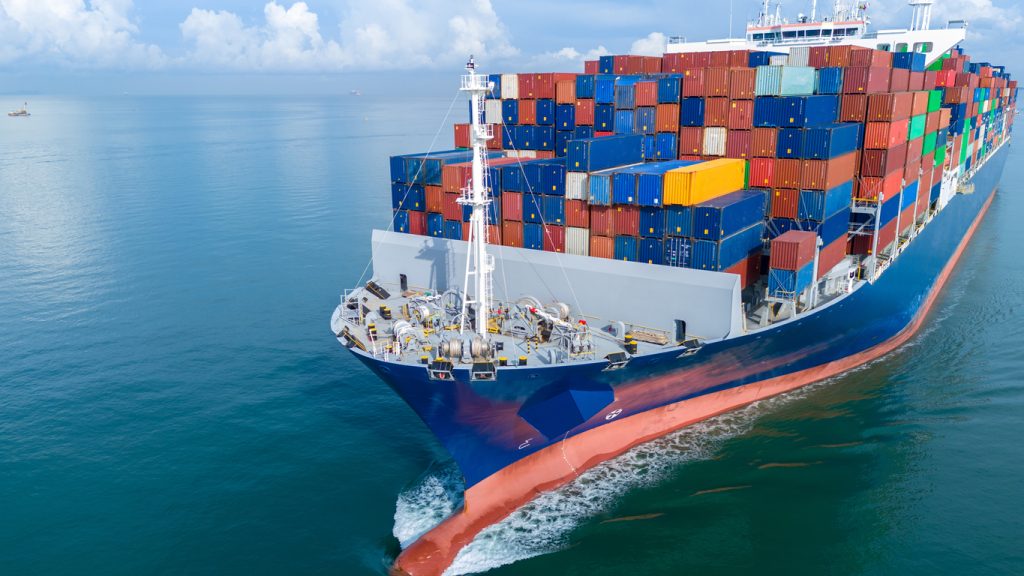
Dangerous goods logistics in Nigeria refers to the safe transportation, storage, and handling of materials that can pose risks to people, property, or the environment if not properly managed. These goods are regulated and require special packaging, trained handlers, permits, and safety compliance systems.
They are common in industries like oil & gas, manufacturing, chemicals, healthcare, mining, and aviation.
What Dangerous Goods Means
Dangerous goods (also called hazardous materials or DG cargo) include items that are:
- Flammable
- Explosive
- Toxic or poisonous
- Corrosive
- Radioactive
- Reactive or unstable
Examples of Dangerous Goods in Nigeria
1. Flammable Materials
- Petrol and diesel
- Gas cylinders (LPG)
- Industrial solvents
2. Chemicals
- Acids and cleaning agents
- Industrial chemicals used in manufacturing
- Agricultural pesticides
3. Medical and Biological Materials
- Infectious samples
- Certain pharmaceuticals
- Medical waste
4. Explosives (Highly Regulated)
- Mining explosives
- Industrial blasting materials
- Fireworks (controlled use only)
5. Corrosive Substances
- Battery acid
- Strong cleaning chemicals
- Industrial reagents
How Dangerous Goods Logistics Works in Nigeria
- Goods are classified according to hazard type
- Special packaging and labeling are applied
- Required permits are obtained from regulatory bodies
- Certified transport vehicles are assigned
- Trained handlers manage loading and unloading
- Goods are transported under strict safety rules
- Delivery is made to approved facilities
Key Components of Dangerous Goods Logistics
1. Classification & Documentation
- UN hazard classification system
- Safety Data Sheets (SDS)
- Transport permits and approvals
2. Specialized Packaging
- Leak-proof containers
- Fire-resistant materials
- Shock-resistant packaging
3. Trained Personnel
- Certified DG handlers
- Safety compliance officers
- Emergency response teams
4. Specialized Transport Vehicles
- Tanker trucks for fuel and chemicals
- Temperature-controlled units for sensitive chemicals
- Marked hazardous cargo vehicles
5. Safety & Monitoring Systems
- GPS tracking
- Route restrictions
- Emergency response protocols
How Dangerous Goods Transport Works in Nigeria
- Cargo is inspected and classified
- Permits are issued by regulatory agencies
- Goods are packaged according to safety standards
- Approved logistics companies assign specialized vehicles
- Transport is done under strict safety monitoring
- Delivery is made to licensed storage or industrial sites
Key Industries Using Dangerous Goods Logistics
1. Oil & Gas Industry
- Fuel, crude oil, gas transport
- Refinery and depot supply chains
2. Manufacturing
- Chemicals and industrial materials
- Production inputs
3. Healthcare & Pharmaceuticals
- Medical waste disposal
- Controlled drugs and reagents
4. Agriculture
- Fertilizers and pesticides
- Agrochemical distribution
5. Aviation & Mining
- Aviation fuel handling
- Mining explosives transport
Top Dangerous Goods Logistics Providers in Nigeria
1. Intels Nigeria
- Oil & gas logistics and hazardous cargo handling
- Port and industrial safety systems
Intels Nigeria
2. MRS Oil Nigeria Logistics
- Fuel and petroleum transportation
- Tanker fleet operations
3. Oando Logistics
- Petroleum and chemical logistics
- Energy supply chain support
Oando
4. Dangote Logistics
- Industrial chemical and fuel transport support
- Large-scale fleet operations
5. SIFAX Group
- Port handling of regulated cargo
- Industrial logistics and compliance systems
SIFAX Group
6. Red Star Express (Special Cargo Division)
- Controlled logistics for sensitive goods
- Freight forwarding and compliance handling
Red Star Express
7. DB Schenker Nigeria
- International hazardous goods logistics
- Certified global supply chain systems
Benefits of Dangerous Goods Logistics Systems
1. Safety Assurance
Reduces risk of accidents and environmental damage.
2. Regulatory Compliance
Meets Nigerian and international safety standards.
3. Specialized Handling
Ensures trained professionals manage risky materials.
4. Efficient Industrial Supply
Keeps oil, gas, and chemical industries running.
5. Risk Management
Minimizes financial and operational losses.
Challenges in Nigeria
- Weak enforcement of safety regulations in some areas
- High cost of compliance and insurance
- Limited specialized transport infrastructure
- Road safety risks during transit
- Inadequate emergency response systems in some regions
Dangerous Goods Logistics vs General Logistics
| Dangerous Goods Logistics | General Logistics |
|---|---|
| High-risk materials | Regular goods |
| Strict regulations | Basic regulations |
| Certified handlers required | Standard drivers |
| Specialized vehicles | Normal trucks |
Importance in Nigeria’s Economy
Dangerous goods logistics is critical because it:
- Supports oil & gas industry operations
- Enables chemical manufacturing
- Powers healthcare systems
- Supports agriculture production
- Maintains industrial supply chains
How It Improves Supply Chains
- Ensures safe transport of hazardous materials
- Prevents environmental and industrial accidents
- Supports continuous production in key sectors
- Improves regulatory compliance in trade
- Enhances industrial efficiency
How Travo.ng Fits Into Dangerous Goods Logistics Ecosystems
Dangerous goods logistics requires strict compliance and specialized transport coordination, while platforms like Travo manage execution, routing, and fleet coordination.
Travo.ng supports operations through:
- Certified fleet coordination for DG cargo
- Route planning for regulated transport
- Port-to-industrial site logistics support
- Inter-state hazardous cargo movement scheduling
- Real-time tracking of high-risk shipments
- Supply chain coordination for industrial operators
This ensures dangerous goods are transported safely, legally, and efficiently across Nigeria.
Conclusion
Dangerous goods logistics in Nigeria is a highly regulated and essential part of the supply chain. It ensures hazardous materials are safely transported and handled across industries like oil & gas, manufacturing, healthcare, and agriculture.
