


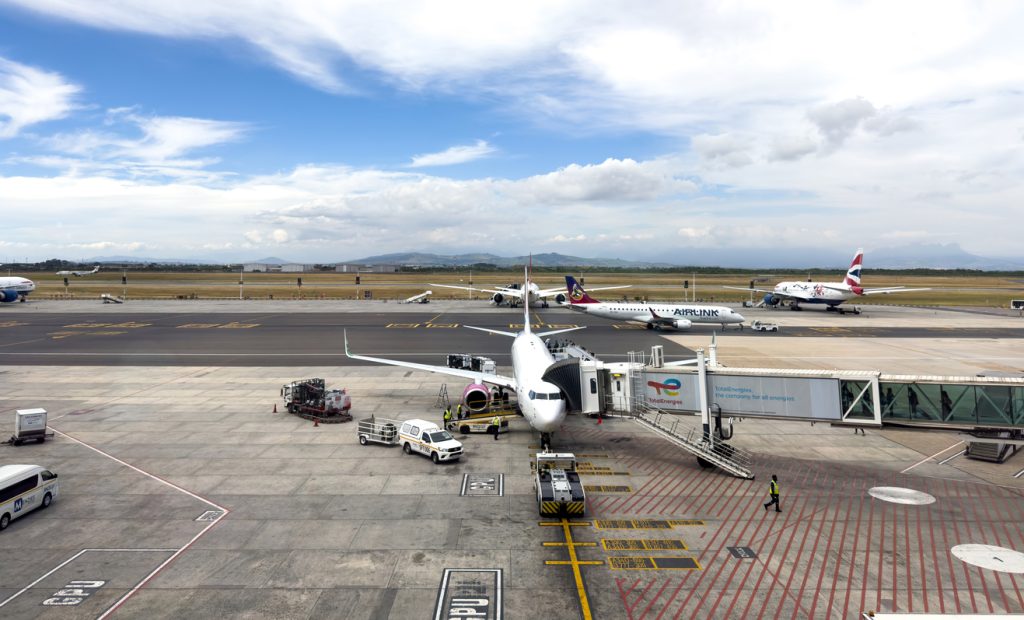
Fleet management for aircraft investors refers to the professional oversight of multiple aircraft owned by an individual investor, investment group, or aviation fund. Instead of managing a single aircraft, this model focuses on optimizing an entire portfolio of aviation assets to maximize utilization, reduce operating costs, ensure compliance, and improve overall return on investment (ROI).
This approach is commonly used by high-net-worth investors, leasing companies, aviation funds, and corporate aviation departments that treat aircraft as income-generating assets rather than personal transportation tools.
What fleet management for aircraft investors means
Aircraft fleet management combines operational aviation expertise with investment strategy.
It typically involves:
- Managing multiple aircraft under one portfolio
- Coordinating acquisition and disposal strategies
- Optimizing aircraft utilization across markets
- Handling maintenance and technical oversight
- Managing crew allocation and scheduling
- Ensuring regulatory compliance across jurisdictions
- Tracking financial performance and ROI
In simple terms, it turns aircraft ownership into a structured investment portfolio rather than isolated assets.
Why aircraft investors need fleet management
Aircraft are complex, high-value assets with ongoing operational demands.
Without structured fleet management, investors may experience:
- Low aircraft utilization across the portfolio
- High maintenance and operational costs
- Poor asset allocation decisions
- Inefficient scheduling and downtime
- Regulatory compliance risks
- Weak financial returns
Fleet management ensures that every aircraft in the portfolio contributes efficiently to overall performance.
Core components of aircraft investor fleet management
1. Portfolio planning and asset strategy
Fleet management begins with structuring the investor’s aviation portfolio.
This includes:
- Selecting aircraft types based on market demand
- Balancing short-haul and long-haul aircraft
- Evaluating acquisition vs disposal timing
- Diversifying aircraft categories (jets, turboprops, helicopters)
- Aligning fleet structure with investment goals
2. Aircraft acquisition and disposal management
Investors must continuously optimize fleet composition.
This involves:
- Market analysis and aircraft valuation
- Purchase negotiation and due diligence
- Lease vs buy structuring
- Asset resale and exit planning
- Timing market cycles for maximum value
3. Operational coordination and utilization optimization
Maximizing aircraft usage is critical for ROI.
Fleet management includes:
- Flight scheduling across multiple aircraft
- Demand-based aircraft allocation
- Charter and leasing distribution
- Route optimization
- Reducing idle time across the portfolio
4. Maintenance and technical oversight
Maintenance is a major cost driver in aviation.
Management ensures:
- Scheduled maintenance planning across fleet
- Predictive maintenance using aircraft data
- Engine performance monitoring
- Coordination with MRO providers
- Minimizing aircraft-on-ground (AOG) time
5. Crew management and resource allocation
Efficient staffing is essential for multi-aircraft operations.
This includes:
- Pilot allocation across aircraft types
- Cabin crew scheduling (where applicable)
- Training and certification tracking
- Duty time and compliance monitoring
- Crew rotation planning
6. Charter and leasing revenue management
Idle aircraft can generate revenue when properly managed.
Services include:
- Charter sales and booking coordination
- Leasing to operators (dry lease / wet lease)
- Pricing optimization strategies
- Market demand forecasting
- Contract and client management
7. Regulatory compliance and risk management
Fleet operations must comply with global aviation standards.
This includes:
- Aircraft registration and certification tracking
- Compliance with aviation authorities (ICAO, FAA, EASA)
- Insurance and liability management
- Safety management systems (SMS)
- Cross-border operational approvals
8. Financial reporting and investment analytics
Investors require clear visibility into performance.
Reports include:
- Cost per flight hour per aircraft
- Revenue per aircraft and fleet
- Maintenance cost distribution
- Asset depreciation tracking
- ROI per aircraft and overall portfolio
- Cash flow analysis
Key performance indicators (KPIs)
Aircraft investor fleet performance is measured using:
- Fleet utilization rate
- Revenue per aircraft
- Cost per flight hour
- Maintenance downtime percentage
- Charter or lease occupancy rate
- Asset appreciation or depreciation rate
- Return on investment (ROI)
These KPIs determine the success of the entire aviation portfolio.
Types of aircraft investor fleet models
1. Private investment fleet model
Aircraft used for personal and selective charter use.
2. Commercial leasing fleet model
Aircraft primarily leased to operators for steady income.
3. Charter-driven fleet model
Fleet focused on on-demand passenger and cargo charter services.
4. Mixed portfolio model
Combination of leasing, charter, and private use across assets.
5. Aviation fund fleet model
Institutional investors manage large diversified aircraft portfolios.
Benefits of fleet management for aircraft investors
Higher asset utilization
Aircraft are actively deployed instead of remaining idle.
Improved ROI
Optimized operations increase revenue and reduce waste.
Risk diversification
Multiple aircraft reduce dependency on a single asset.
Professional oversight
Experts manage technical, operational, and regulatory complexity.
Better cost control
Centralized maintenance and operations reduce inefficiencies.
Challenges in managing aircraft fleets
Despite advantages, challenges include:
- High capital requirements
- Market volatility in charter and leasing demand
- Complex maintenance coordination across multiple aircraft
- Regulatory differences across jurisdictions
- Asset depreciation and market timing risks
Risks of unmanaged aircraft portfolios
Without structured fleet management, investors may face:
- Uneven aircraft utilization
- High operating costs
- Maintenance inefficiencies
- Regulatory non-compliance
- Weak or inconsistent returns
- Reduced asset value over time
Professional fleet management reduces these risks significantly.
Technology used in aircraft fleet management
Modern aviation investors rely on:
- Fleet performance analytics platforms
- Predictive maintenance systems
- Flight operations management software
- Revenue optimization tools
- Real-time aircraft tracking systems
- Financial reporting dashboards
These tools enable data-driven decision-making.
Where logistics coordination fits into aircraft investor fleets
Aircraft operations depend on broader logistics systems such as:
- Passenger and cargo coordination
- Airport ground handling services
- Supply chain integration for freight operations
- Global travel logistics support
- Maintenance logistics and spare parts distribution
Efficient logistics improves aircraft uptime and profitability.
How Travo.ng supports logistics coordination
While fleet management for aircraft investors focuses on optimizing aviation assets and financial performance, logistics coordination ensures smooth movement of cargo and operational support services.
Travo.ng supports logistics operations through:
- Cargo consolidation and freight coordination
- Intercity and interstate delivery services
- Port-to-destination logistics support
- Supply chain coordination across Nigeria
- End-to-end logistics execution for cargo movement
This helps reduce delays and inefficiencies that can impact fleet performance and ROI.
Final thoughts
Fleet management for aircraft investors is a critical component of modern aviation investment strategy. By combining operational expertise with financial oversight, it ensures that aircraft portfolios are efficiently managed, properly maintained, and strategically deployed to maximize returns.
In today’s aviation market, successful investors do not simply own aircraft—they manage fleets as integrated, performance-driven investment portfolios designed for long-term value creation.
