


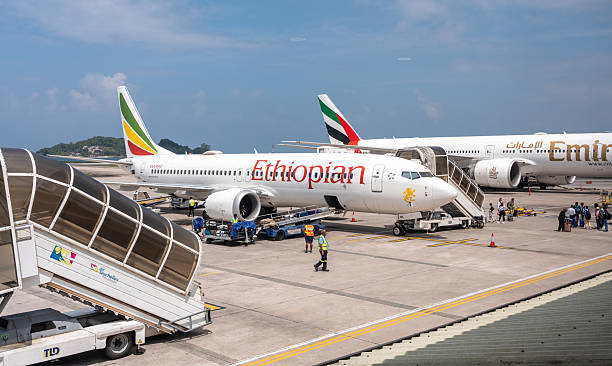
Airport operational bottlenecks Africa refers to the delays and capacity problems that can affect passenger movement, baggage handling, aircraft turnaround, cargo operations, and ground transportation across African airports. These problems do not always come from the aircraft itself. A flight can arrive on schedule and still leave late because several airport processes are moving too slowly.
For passengers, the result may be a missed connection, delayed baggage, or a long wait for airport pickup. For airlines and businesses, even a small delay can affect several flights and deliveries throughout the day.
Where African Airports Commonly Experience Bottlenecks
Airport congestion can happen at different points of the travel process. Some of the most noticeable include:
- Passenger check-in and document verification
- Security screening
- Immigration and border control
- Baggage collection and transfer
- Aircraft parking and gate availability
- Ground handling and aircraft turnaround
- Fuel supply and refuelling coordination
- Cargo processing and customs clearance
- Airport road access and pickup areas
- Ground transportation after passengers leave the terminal
The problem becomes more difficult when several of these issues occur at the same time.
For example, an aircraft may land on time at Lagos or Accra, but passengers could still spend considerable time waiting for baggage. If the airport pickup driver is waiting outside the terminal, the delay can also affect the next journey scheduled for that vehicle.
Why Delays Can Build Up So Quickly
One of the biggest operational challenges is that airport activities are connected.
A delay in one area can create pressure somewhere else. If baggage is unloaded late, passengers remain at the carousel longer. If passengers take longer to clear immigration, airport pickup demand becomes concentrated within a shorter period.
Peak travel periods can make this worse. Morning and evening flight banks, holiday travel, major events, and periods of increased international traffic can put additional pressure on airport facilities and staff.
Airports serving major commercial centres such as Lagos, Nairobi, Johannesburg, Accra, Addis Ababa, and Cairo can experience particularly busy operating periods because they handle large volumes of passengers, connecting travellers, cargo, and business traffic.
Ground Handling Can Become a Hidden Source of Delays
Passengers often notice a late departure but may not see the work happening around the aircraft.
Aircraft turnaround involves several activities, including passenger disembarkation, baggage removal, cabin cleaning, catering, refuelling, technical checks, loading, and boarding. These operations have to be coordinated within a limited window.
A shortage of ground support equipment, limited ramp space, staffing problems, poor coordination, or an unexpected technical issue can extend the turnaround time.
This is especially important for airlines operating multiple flights with the same aircraft. When one turnaround takes longer than planned, the aircraft’s next scheduled departure can also be affected.
Baggage and Cargo Create Their Own Pressure
Baggage handling is another area where operational bottlenecks can become obvious to travellers.
A busy terminal may have enough passenger processing capacity but still experience delays because baggage belts, sorting systems, transfer facilities, or handling teams are under pressure.
Cargo operations face additional requirements. Shipments may need documentation checks, customs processing, security screening, warehousing, and onward transportation.
For businesses moving goods between cities such as Lagos, Abuja, Port Harcourt, Kano, or Enugu, an airport delay can therefore affect more than the flight itself. The shipment may also have a scheduled delivery waiting at the other end.
Airport Access Roads Can Add Another Layer of Delay
Not every airport bottleneck happens inside the terminal.
Traffic around major airports can significantly affect passenger journeys and pickup schedules. A traveller arriving at Murtala Muhammed International Airport in Lagos, for example, may have completed immigration and baggage collection but still face another delay getting to their final destination.
This is why airport transfers should be planned around more than the published flight arrival time.
A driver collecting an international passenger should consider:
- Flight arrival time
- Immigration and baggage processing
- Terminal exit time
- Traffic around the airport
- Waiting and parking arrangements
- The passenger’s final destination
Allowing realistic time between these stages makes airport transportation much easier to manage.
How Businesses Can Plan Around Airport Bottlenecks
Companies that regularly move employees, clients, documents, equipment, or cargo through airports should avoid treating every journey as a simple point-to-point trip.
A better approach is to build flexibility into the entire movement plan.
For airport pickups, businesses can provide the passenger’s flight details in advance and arrange a driver who can coordinate around the actual arrival rather than relying solely on an estimated landing time.
For cargo, companies should confirm documentation, delivery requirements, receiving arrangements, and onward transport before the shipment reaches the airport.
This becomes particularly useful when several employees or shipments are moving at once.
Planning Airport Transport With Travo.ng
Travo.ng can help coordinate the parts of a journey that happen before and after the airport. Depending on the customer’s needs, this can include airport pickups, vehicle hire, travel bookings, delivery services, and logistics coordination.
For a business receiving a visitor in Lagos, for example, arranging the airport transfer alongside the travel itinerary can reduce the need to coordinate different transport providers separately.
The same approach can work for travellers arriving in Abuja, Port Harcourt, Accra, or other major travel destinations where onward transportation needs to be organised around flight schedules.
What Travellers Should Do When an Airport Is Busy
Passengers cannot control every airport bottleneck, but they can reduce the effect of delays by preparing ahead.
Keep important travel documents accessible, allow extra time during busy periods, confirm baggage requirements before departure, and avoid scheduling an important meeting immediately after an international arrival.
If someone is meeting you at the airport, share your flight details and keep them updated if the airline changes the schedule.
For business travellers especially, a little flexibility can prevent an airport delay from disrupting an entire day’s itinerary.
Airport operational bottlenecks Africa will remain an important logistics challenge as passenger numbers, cargo movement, and regional connectivity continue to develop. The practical response is not simply to expect every airport process to run perfectly, but to plan journeys with the realities of ground handling, traffic, baggage, transfers, and connecting logistics in mind.
