


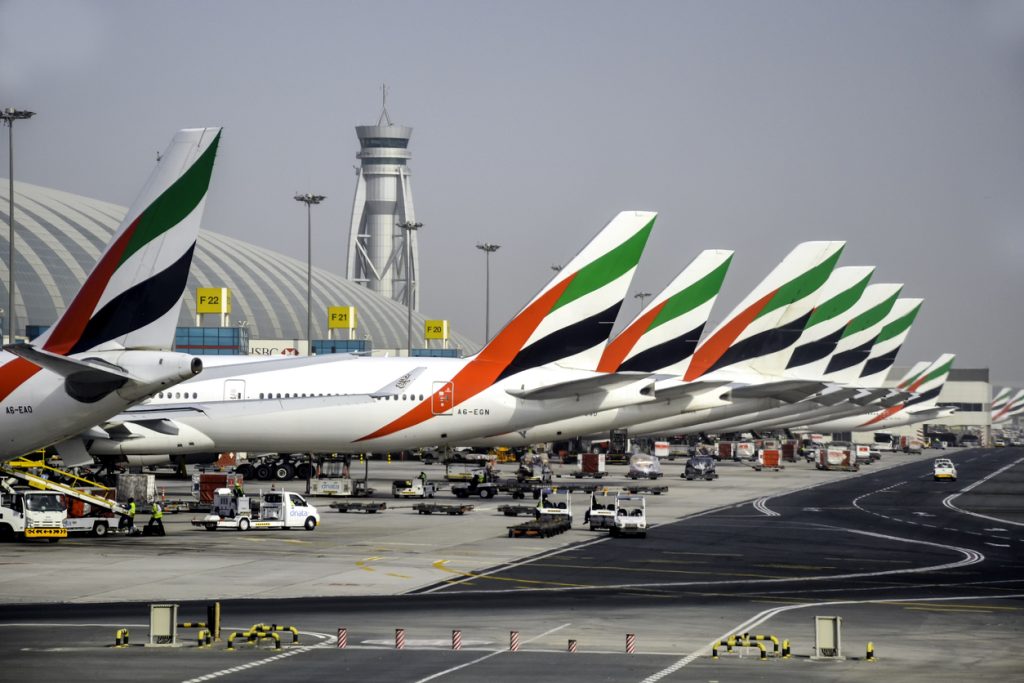
Aircraft refuelling is a critical part of airport ground operations. An aircraft cannot depart until the required fuel has been safely delivered, checked and recorded. When refuelling takes longer than planned, the delay can affect the entire flight schedule.
Across Africa, refuelling delays can be linked to fuel availability, transportation, airport infrastructure, equipment, quality checks and coordination between airlines, fuel suppliers and ground handlers.
What Causes Aircraft Refuelling Delays in Africa?
One common issue is aviation fuel supply disruption. Airports that depend heavily on one refinery, supplier or transportation route can be affected when there is a production or distribution problem.
Recent disruptions in southern Africa demonstrated how a local Jet A-1 supply problem can lead airlines to make additional refuelling stops at another airport, adding time to international journeys and affecting cargo operations.
Fuel also has to reach airports through reliable supply chains. In some markets, aviation fuel may be transported by road, rail, pipeline or a combination of methods. Road congestion, long distances and infrastructure limitations can make replenishment slower.
Airport Equipment Can Also Cause Delays
Refuelling depends on specialised equipment, including refueller trucks, hydrant systems, pumps, hoses and fuel storage infrastructure.
If equipment is unavailable, undergoing maintenance or operating below capacity, an aircraft may have to wait before refuelling begins.
Equipment inspections are also important. Fuel quality and refuelling equipment must meet aviation safety requirements, so operators cannot simply skip necessary checks to save time.
Fuel Quality Checks Can Extend Turnaround Time
Safety takes priority over speed during aircraft refuelling.
Fuel needs to be checked for contamination and other quality problems before it is supplied to an aircraft. Nigeria’s aviation regulator specifically highlights the importance of checking fuel quality and inspecting refuelling equipment before operations.
This means a suspected contamination issue can create a delay while the fuel supply is investigated or replaced.
How Refuelling Delays Affect Airlines
A refuelling delay does not always end with the aircraft waiting on the apron.
A late departure can affect:
- Passenger connections
- Aircraft rotations
- Crew schedules
- Baggage transfers
- Cargo connections
- Airport slots
- Subsequent flights operated by the same aircraft
In serious cases, an airline may need to adjust the route or arrange a technical fuel stop at another airport.
The additional stop can increase flight time and operating costs, while changes to aircraft fuel loads can also affect available cargo capacity.
Nigeria and Aviation Fuel Logistics
Nigeria has its own aviation fuel logistics challenges. Jet fuel has to move from supply points and refineries to airports, while road congestion, transportation costs and distribution infrastructure can affect the speed and cost of delivery.
This makes coordination particularly important for airlines operating through busy airports such as Lagos and Abuja.
Ground handlers, fuel suppliers, airlines and airport operators need to work together so that fuel availability matches the aircraft’s scheduled arrival and departure time.
How Airports and Airlines Can Reduce Delays
Better planning can reduce the risk of refuelling disruptions.
Airlines and operators can monitor fuel availability ahead of scheduled flights, maintain alternative supply arrangements and communicate early when shortages are expected.
Airports can also improve storage capacity, equipment maintenance, fuel monitoring and supply-chain redundancy.
For flights operating between African countries, operators should consider the availability of Jet A-1 at each planned airport rather than assuming that fuel will always be available at the scheduled stop.
Planning Around Refuelling Problems
For aviation and logistics operators, it helps to confirm:
- Fuel availability at the departure and destination airports
- The nominated fuel supplier
- Required fuel quantity
- Refuelling equipment and delivery arrangements
- Expected turnaround time
- Alternative refuelling airports
- Cargo and passenger connection implications
- Ground transportation arrangements after arrival
Early coordination gives airlines and logistics teams more options when a fuel supply problem develops.
How Travo.ng Supports Travel and Logistics Coordination
Aircraft refuelling is a specialist aviation operation handled by authorised airport and fuel-service providers. However, the wider journey also requires reliable coordination on the ground.
Travo.ng can support related travel and logistics requirements such as airport transfers, transport coordination, delivery arrangements and onward movement of passengers or goods.
For businesses operating across African routes, planning the complete journey around the flight schedule can help reduce the impact of unexpected refuelling or airport delays.
