


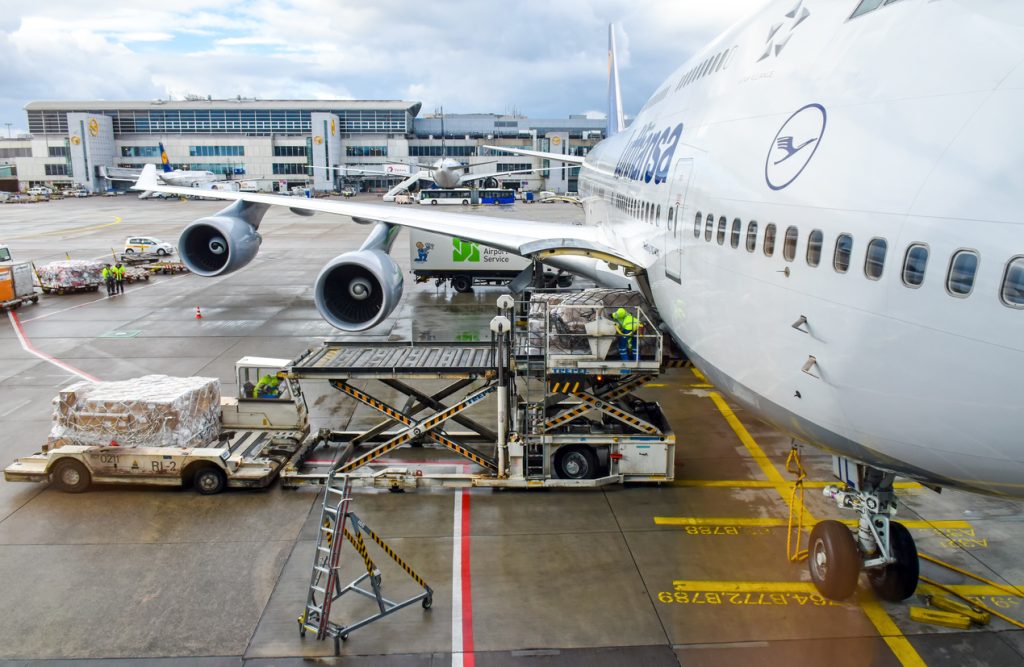
Ground support equipment (GSE) is essential to aircraft operations. Baggage loaders, aircraft tugs, ground power units, passenger stairs, cargo loaders and service vehicles all help prepare an aircraft for its next flight.
Across parts of Africa, shortages of suitable or reliable GSE can make ground handling more difficult. Industry reporting in 2026 has highlighted ageing equipment, limited maintenance capacity and shortages of aircraft-compatible equipment at some African airports. (Aviation Pros)
Which Ground Support Equipment Is Most Important?
Aircraft turnaround depends on different types of equipment working together. Common GSE includes:
- Pushback tractors
- Belt loaders
- Baggage tractors and carts
- Ground power units
- Passenger stairs
- Cargo high loaders
- Aircraft tugs
- Catering vehicles
- Water and lavatory service vehicles
- Air-start units
A shortage does not necessarily mean an airport has no equipment. The available fleet may simply be too small, too old, unavailable for a particular aircraft type or undergoing maintenance.
Why Are GSE Shortages a Problem in Africa?
Specialised GSE is expensive and can have long procurement and delivery times. Nigeria, for example, has seen ground handlers continue to invest in new equipment while dealing with delivery delays and the high cost of specialised machines.
Maintenance is another challenge. When spare parts or specialist technicians are difficult to access, equipment can remain out of service for longer.
The age of some African GSE fleets is also a concern. Recent industry reporting has identified ageing fleets and uneven ground-handling infrastructure as ongoing challenges across the continent. (Aviation Pros)
How Equipment Shortages Affect Aircraft Turnaround
Aircraft turnaround involves several activities taking place within a limited period.
If there are not enough baggage loaders, for example, luggage may take longer to load. A shortage of pushback tractors can affect departure preparation, while insufficient ground power units can create additional pressure on other available equipment.
One delayed activity can affect the rest of the turnaround schedule. This becomes more noticeable when several aircraft arrive around the same time or when an airport is operating close to its handling capacity.
The Maintenance Problem
Buying additional equipment is only part of the solution.
GSE needs regular inspections, servicing, repairs and replacement parts. Operators therefore need a maintenance programme that keeps equipment available rather than waiting until a major breakdown occurs.
Equipment should also match the aircraft being handled. A fleet may appear sufficiently large on paper but still have a shortage of equipment suitable for particular aircraft types.
The Shift Towards Modern GSE
Modernisation is becoming an important part of ground handling. IATA has called for updated GSE, stronger standards and greater digitalisation to improve the safety and resilience of ground operations. (IATA)
Some operators are also moving towards electric GSE. However, electric equipment requires suitable charging infrastructure and reliable power, creating another planning requirement for airports considering fleet electrification.
How Can African Airports Reduce GSE Shortages?
Airports and ground handlers can improve equipment availability by combining procurement with better asset management.
Important measures include:
- Replacing unreliable equipment before major failures
- Keeping critical spare parts available
- Improving local maintenance capability
- Matching equipment fleets to aircraft demand
- Tracking equipment availability digitally
- Training GSE operators and technicians
- Planning equipment purchases around traffic growth
- Introducing modern safety features such as anti-collision technology
IATA’s enhanced GSE initiatives also focus on reducing aircraft ground damage through safer equipment and technology. (IATA)
Planning Around GSE Limitations
Airlines, cargo operators and logistics companies should consider ground-handling capacity when planning operations through African airports.
For important shipments, it can be useful to confirm the available cargo-handling equipment, aircraft compatibility, expected turnaround arrangements and contingency options before the flight.
Ground handling is only one stage of the logistics chain. Once passengers or cargo leave the aircraft, reliable airport transfers, road transport and final delivery may also be required.
How Travo.ng Supports Travel and Logistics
Specialist GSE operations are handled by authorised airports and ground-handling providers. Travo.ng can support the wider logistics requirements connected to airport movements, including transport coordination, airport transfers, delivery arrangements and onward movement.
For businesses operating across African routes, coordinating airport handling with the transport arrangements that follow can help keep the entire journey organised when ground operations face delays.
