


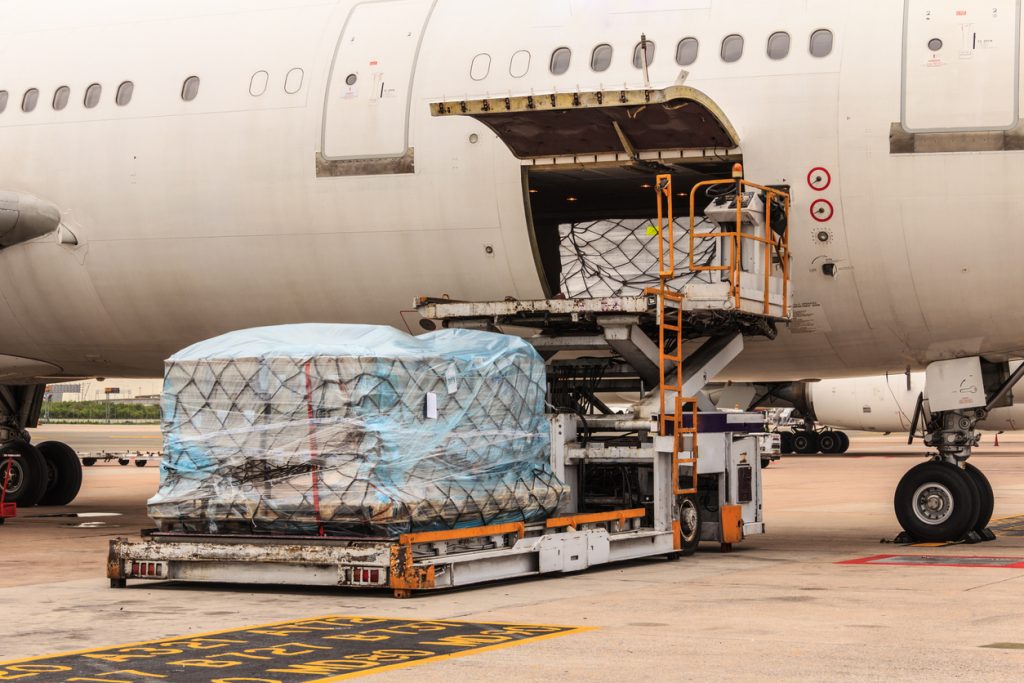
The ground handling market in Africa is becoming increasingly important as airlines expand routes, passenger traffic grows and airports invest in new infrastructure. Ground handling covers the activities that support aircraft while they are on the ground, including passenger services, baggage and cargo handling, ramp operations, aircraft servicing and ground support equipment.
The market is also facing a transition. African airports are dealing with ageing equipment, uneven infrastructure, workforce shortages and fragmented operating environments while simultaneously needing to adopt more digital and efficient ground operations. (Aviation Pros)
Africa’s wider aviation market provides a strong demand base. AFRAA’s 2026 outlook projects average passenger traffic growth of 5.8% annually through 2045 and more than a doubling of the commercial jet fleet over the same period. (Afraa)
What Makes Up the African Ground Handling Market?
Ground handling is a broad market rather than a single service.
The main segments include:
- Passenger handling
- Baggage handling
- Ramp and apron operations
- Aircraft marshalling and towing
- Ground power and aircraft servicing
- Cargo handling
- Aircraft cleaning
- Catering coordination
- Ground support equipment
- Load control and turnaround coordination
Depending on the airport, these services may be provided by an airline itself, an independent ground handling company, an airport operator or a combination of providers.
Rising Passenger Traffic Is Increasing Demand
More passengers and more flights mean more aircraft need to be processed efficiently on the ground.
AFRAA reported that African seat capacity increased by 8.8% year-on-year in August 2026, while intra-African seat availability increased by 10.5%. (Afraa)
This creates additional demand for baggage teams, ramp personnel, passenger processing, aircraft servicing, GSE and turnaround coordination.
The effect is particularly significant at major aviation hubs where several airlines may operate multiple daily flights and where a delay on one aircraft can affect subsequent operations.
Growth in Ground Support Equipment Demand
Ground support equipment is an important part of the market.
Airports and handling companies require equipment such as baggage tractors, aircraft tugs, ground power units, passenger stairs, catering vehicles and other specialised equipment.
One 2026 market estimate places the African GSE market at approximately $82.7 million in 2024, with a projected increase to $117.6 million by 2029. The same research estimates a 7.3% compound annual growth rate during the period. (MarketsandMarkets)
The opportunity is not limited to purchasing new equipment. Leasing, maintenance, refurbishment, fleet management and equipment tracking can also become important parts of the market.
Regional Hubs Will Drive Ground Handling Activity
Ground handling demand is concentrated around airports that serve as major passenger and cargo hubs.
Countries including Egypt, South Africa, Ethiopia, Kenya, Morocco and Nigeria have important positions within Africa’s aviation network. Current African capacity data also shows strong growth in several of these markets. (OAG)
As more routes connect African cities directly, ground handling companies operating at major hubs may need to manage higher aircraft frequencies and increasingly complex turnaround schedules.
Secondary airports can also create opportunities as airlines expand regional networks.
Cargo Handling Is an Important Growth Area
The ground handling market is not limited to passenger aircraft.
Air cargo requires specialised handling, warehouse operations, documentation, loading and unloading, security procedures and transportation between cargo terminals and final destinations.
Africa’s cargo market can create additional demand for ground handling services as trade between African countries develops and international supply chains expand.
Cargo operations also require reliable coordination between airlines, freight forwarders, customs authorities, warehouse operators and road transport providers.
Technology Is Changing Ground Handling
Digitalisation is becoming increasingly important to the African ground handling market.
Ground handlers can use digital systems to monitor aircraft turnaround activities, track equipment, manage staff assignments and share information with airlines and airport operators.
Equipment tracking can show where GSE is located and whether it is available. Digital turnaround systems can also identify activities that are falling behind schedule.
The objective is not simply to introduce technology. It is to give operational teams better information so they can make faster decisions.
Electric GSE and Sustainable Operations
Environmental considerations are also beginning to influence ground handling investment.
Electric baggage tractors, ground power units and other electric GSE can reduce fuel consumption and local emissions. However, adoption across Africa will depend on equipment costs, charging infrastructure, electricity reliability and the availability of maintenance expertise.
For many airports, the transition will therefore be gradual rather than immediate.
Ground handlers may need to manage a mixed fleet of conventional and electric equipment for several years while infrastructure catches up with operational requirements.
Workforce Development Will Remain Important
Ground handling is a people-intensive industry.
Ramp agents, baggage handlers, equipment operators, passenger service personnel, load controllers and supervisors all require appropriate training.
As technology becomes more common, workers will also need to understand digital systems and increasingly sophisticated equipment.
AFRAA estimates that Africa will need around 75,000 new aviation professionals over the next two decades, reflecting the wider workforce requirements created by fleet and traffic growth. (Afraa)
For ground handlers, this makes recruitment, certification and continuous training important areas of investment.
Challenges Facing Ground Handling Companies
Market growth does not remove the operational challenges facing African ground handlers.
Common issues include:
- Ageing ground support equipment
- Limited access to replacement parts
- High equipment acquisition costs
- Unreliable power infrastructure in some locations
- Shortages of skilled personnel
- Airport congestion
- Fragmented regulations
- Limited airport capacity
- Difficulties obtaining financing
- Uneven digital infrastructure
These conditions can make it difficult for smaller ground handlers to modernise at the same pace as larger operators.
Competition and Outsourcing
Airlines and airports increasingly have to decide whether ground services should be handled internally or outsourced.
Outsourcing can allow airlines to use specialist providers without maintaining every piece of equipment and every ground operations team themselves.
However, selecting a provider requires attention to safety standards, equipment availability, staff competence, airport coverage, service reliability and ability to handle peak demand.
The market therefore includes opportunities for both large established ground handling companies and specialised regional providers.
Where New Opportunities Are Emerging
Several areas could create additional opportunities in the African ground handling market.
These include GSE leasing and maintenance, digital equipment tracking, specialised cargo handling, cold-chain logistics, electric GSE, turnaround management, staff training and ground operations technology.
There is also room for companies that can provide coordinated services across several African airports rather than operating only at one location.
Regional aviation growth means airlines increasingly need consistent ground support when operating across multiple countries.
How Travo.ng Can Support the Wider Airport Logistics Market
Travo.ng is not a specialist aircraft ground handler, ramp operator or GSE supplier. Its role can instead complement ground handling operations by supporting the travel and transportation requirements surrounding airport activity.
For example, aviation companies may need flights, airport transfers, hotel reservations and vehicle hire for employees travelling to Lagos, Abuja, Nairobi, Accra or other African destinations.
Travo.ng can also support relevant delivery and transportation logistics where applicable. A company working on an airport project may need to move personnel between an airport, hotel, warehouse and project site, while a business travelling for aviation-related work may need its entire ground transportation arranged around its flight schedule.
This makes Travo.ng relevant to the wider movement and logistics ecosystem around African airports without claiming specialist ground handling functions.
What the Market Means for African Aviation
The African ground handling market is closely connected to the continent’s broader aviation growth.
More flights and larger fleets create demand for reliable ramp services, passenger handling, baggage operations, cargo handling, equipment and trained personnel. At the same time, ageing infrastructure and operational challenges mean that market growth will require investment rather than simply more service providers.
Ground handling companies that combine trained personnel, reliable equipment, digital visibility and strong operational procedures will be operating in a market where demand is being shaped by broader changes in African aviation.
As connectivity expands across the continent, ground handling will remain a critical part of keeping aircraft moving efficiently between African airports.
