


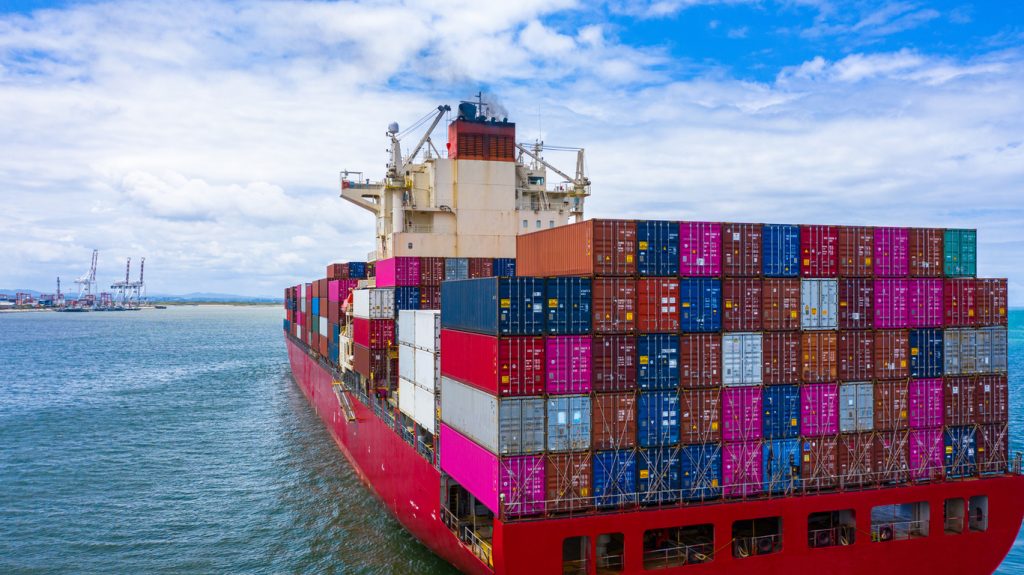
Freight damage assessment in Nigeria is the process of inspecting and evaluating cargo that has been damaged during transportation, storage, loading, unloading, or handling. The assessment helps determine the extent of the damage, the likely cause, the financial impact, and whether compensation or insurance claims may be justified.
In simple terms, it is the professional evaluation of damaged cargo to determine what happened and how much the loss is worth.
Why Freight Damage Assessment Is Important
A proper freight damage assessment helps businesses:
- Determine the extent of cargo damage
- Support insurance claims
- Establish liability
- Reduce financial losses
- Improve future logistics planning
- Resolve disputes between parties
Common Causes of Freight Damage in Nigeria
1. Poor Cargo Handling
Damage may occur during:
- Loading
- Unloading
- Warehouse operations
- Port handling
2. Water Exposure
Cargo can be damaged by:
- Container leaks
- Rain exposure
- Flooding
- Condensation
3. Transportation Accidents
Including:
- Truck accidents
- Container falls
- Road impact damage
4. Improper Packaging
Weak packaging can lead to:
- Product breakage
- Compression damage
- Cargo shifting
5. Overloading
Excessive weight can damage both cargo and packaging.
6. Theft and Tampering
Partial cargo loss may also require assessment.
Types of Damage Assessed
Physical Damage
- Crushed cartons
- Broken goods
- Torn packaging
Water Damage
- Wet cargo
- Mold growth
- Product contamination
Contamination Damage
- Chemical exposure
- Odor contamination
- Food spoilage
Shortage Damage
- Missing goods
- Partial delivery
Freight Damage Assessment Process
1. Initial Inspection
Inspect cargo immediately upon delivery or discovery of damage.
2. Documentation
Record:
- Photographs
- Videos
- Delivery condition reports
- Packaging condition
3. Cargo Survey
A surveyor may examine:
- Cargo condition
- Packaging
- Container condition
- Transportation records
4. Cause Analysis
The assessment identifies whether damage resulted from:
- Handling
- Weather
- Equipment failure
- Packaging issues
- Transportation incidents
5. Financial Evaluation
The assessor estimates:
- Value of damaged goods
- Repair costs
- Replacement costs
- Salvage value
6. Report Preparation
A formal report may include:
- Nature of damage
- Cause of damage
- Estimated loss value
- Supporting evidence
Documents Often Used in Assessments
- Bill of lading
- Commercial invoice
- Packing list
- Delivery receipt
- Insurance certificate
- Survey reports
- Photographs and videos
Who Conducts Freight Damage Assessments?
Surveyors
Independent cargo surveyors evaluate the loss objectively.
Insurance Representatives
Insurers may appoint assessors to verify claims.
Logistics and Freight Experts
They help identify operational failures that caused the damage.
Benefits of Professional Damage Assessment
1. Stronger Insurance Claims
Well-documented losses are easier to process.
2. Faster Dispute Resolution
Assessment reports help establish responsibility.
3. Better Risk Management
Businesses can identify recurring logistics issues.
4. Reduced Financial Losses
Accurate valuation supports fair compensation.
How to Reduce Freight Damage Risk
1. Improve Packaging Standards
Use packaging suitable for cargo type and transit conditions.
2. Inspect Containers Before Loading
Check for:
- Leaks
- Structural damage
- Contamination
3. Train Cargo Handlers
Proper handling reduces breakage and impact damage.
4. Use Cargo Insurance
Insurance provides protection against unforeseen losses.
5. Monitor Transportation Conditions
Track cargo throughout the supply chain.
How Travo.ng Supports Businesses After Clearance
While freight damage assessment helps determine losses after an incident, preventing damage through proper logistics is equally important.
This is where Travo.ng supports businesses across Nigeria.
Travo.ng provides:
- Cargo pickup from ports and airports
- Nationwide transportation services
- Interstate logistics coordination
- Commercial cargo delivery
- Distribution support for businesses
- Last-mile delivery solutions
Professional cargo handling and transportation help reduce damage risks and improve supply chain reliability.
Final Insight
Freight damage assessment in Nigeria is a critical process for identifying cargo losses, establishing liability, and supporting insurance claims. Proper inspections, documentation, and professional evaluation help businesses recover losses and improve logistics performance.
