


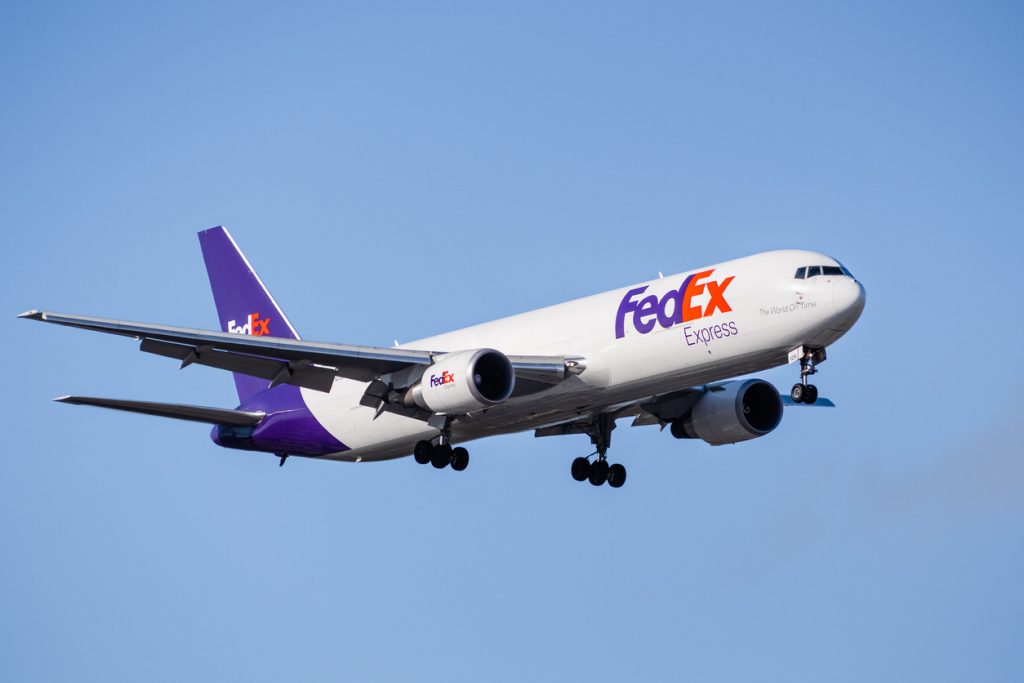
FedEx air freight clearance in Nigeria can be straightforward when the shipment documentation, customs requirements, and final delivery arrangements are handled properly from the beginning. Problems usually start when cargo arrives at the airport before the consignee understands what documents are required or what charges may apply.
For businesses and individuals receiving international shipments through Lagos or other Nigerian entry points, clearance is more than simply waiting for a parcel to be released. Depending on the shipment, you may need customs documentation, duty assessment, regulatory approvals, cargo handling coordination, and transportation after release.
Travo.ng helps customers coordinate these practical stages, especially when a shipment needs to move quickly from the airport or cargo terminal to its final destination.
What Happens When FedEx Air Freight Arrives in Nigeria
International FedEx cargo entering Nigeria normally goes through customs procedures before it can be released. The process depends heavily on what is being imported.
A small shipment of personal documents is different from commercial electronics, machinery parts, medical equipment, fashion items, or bulk business supplies.
Customs officers may review the shipment description, declared value, invoice, airway bill, and applicable import requirements. Duties and taxes can also depend on the classification and value of the goods.
This is why vague descriptions such as “samples” or “items” can create problems. Commercial invoices should clearly state what is inside the shipment, the quantity, value, and purpose where necessary.
Documents That Can Affect FedEx Air Freight Clearance in Nigeria
Before cargo arrives, it is sensible to have the basic documentation ready.
Common documents may include:
- FedEx airway bill or shipment reference
- Commercial invoice
- Packing list for larger cargo
- Consignee identification or business details
- Evidence of payment or shipment value where requested
- Regulatory permits for controlled products
- Additional customs documentation depending on the goods
Certain products may require approvals from Nigerian regulatory agencies before they can be cleared. Importing restricted or regulated items without checking these requirements beforehand can leave cargo sitting at the terminal while additional documentation is arranged.
For companies importing frequently, preparing these documents before departure from the origin country is far easier than trying to correct them after arrival.
Why Air Freight Cargo Sometimes Gets Delayed
One of the most common assumptions is that paying for fast international air freight guarantees immediate delivery in Nigeria.
The flight may be fast, but customs clearance is a separate stage.
Delays can happen because of incomplete invoices, incorrect consignee information, disagreements over shipment value, outstanding duties, regulatory documentation, or difficulty coordinating cargo collection.
For example, a Lagos business importing urgent replacement equipment from Europe may receive the shipment in Nigeria within a few days, but an incomplete commercial invoice could delay release beyond the original transport time.
That is why businesses importing time-sensitive goods should plan the clearance process before the aircraft lands.
Getting Your Cargo From the Terminal to Its Final Destination
Clearance is only part of the job.
Once the shipment has been released, you still need to move it safely to your office, warehouse, shop, home, or another Nigerian city.
A company receiving air freight in Lagos may need the cargo delivered to Ikeja, Lekki, Victoria Island, Apapa, Ibadan, Abuja, or another location. Large or delicate cargo may also require a suitable vehicle rather than ordinary parcel delivery.
Travo.ng can support customers with cargo logistics, delivery coordination, vehicle arrangements, and interstate transportation after clearance.
This is particularly useful for businesses that do not want staff spending hours coordinating cargo collection and onward movement themselves.
Plan Clearance Before Your Shipment Leaves the Origin Country
If you regularly import through FedEx, DHL, airlines, or international freight companies, create a simple pre-shipment routine.
Confirm the exact description of the goods, check whether special approvals are required, prepare your invoice correctly, and know who will handle clearance and final delivery.
For valuable or urgent cargo, share the documents with your Nigerian logistics contact before the shipment arrives. Early checks can reveal errors while they are still easier to correct.
Travo.ng provides practical logistics support for customers handling FedEx air freight clearance in Nigeria, cargo movement, airport logistics, courier deliveries, and interstate transportation. Whether you are receiving business stock, equipment, documents, or personal cargo, proper coordination can reduce unnecessary delays and make the final delivery much easier.
