


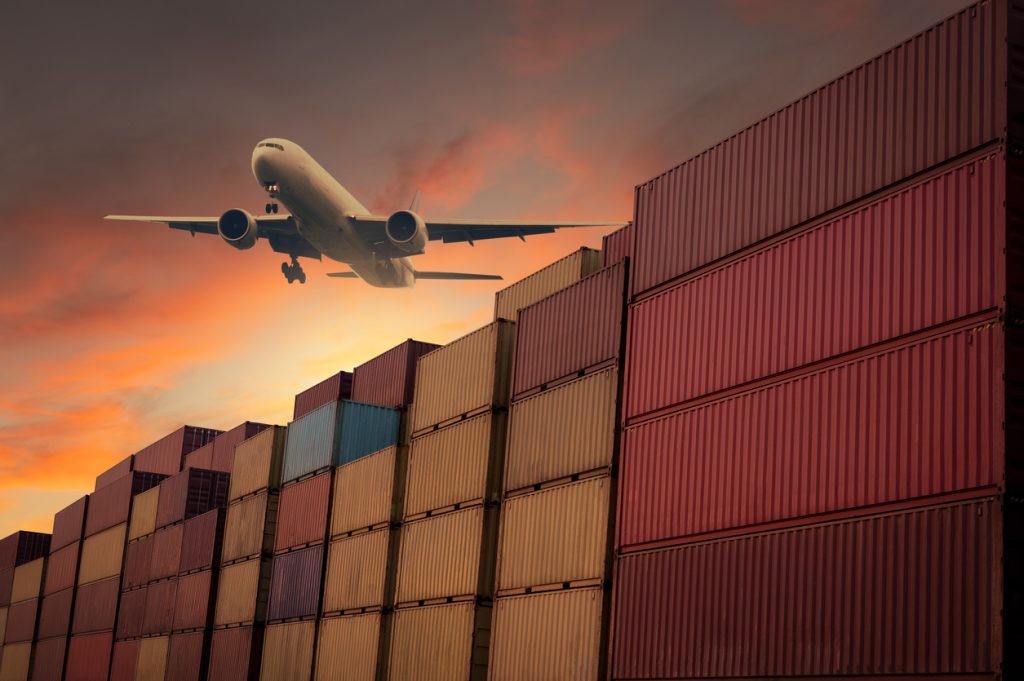
Getting urgent cargo into Nigeria by air is only half the job. The shipment still has to move through documentation checks, customs assessment, payment of applicable charges and release before it can leave the airport.
That is why express air freight customs clearance in Nigeria needs to be planned before the aircraft lands. A small mistake with an invoice, product description or consignee information can turn a time-sensitive shipment into cargo sitting at the airport for days.
For businesses importing spare parts, electronics, samples, fashion items or production materials, the real priority is not simply fast air freight. It is getting the goods from the aircraft to their final destination with as little disruption as possible.
What Happens After Your Air Cargo Arrives in Nigeria
Most international air freight entering Lagos is handled through the cargo facilities around Murtala Muhammed International Airport. Abuja is another important entry point, particularly for shipments destined for businesses and organisations in the Federal Capital Territory and northern Nigeria.
Once cargo arrives, the shipment normally goes through document verification and customs processing before release.
Important documents can include:
- Commercial invoice
- Air waybill
- Packing list
- Import documentation applicable to the goods
- Accurate product descriptions and quantities
- Consignee and importer details
- Supporting permits where regulated products are involved
The exact requirements depend heavily on what is being imported.
Someone bringing in ordinary commercial merchandise will not necessarily face the same documentation requirements as a company importing pharmaceuticals, food products, telecommunications equipment or industrial machinery.
Why Express Shipments Still Get Delayed at the Airport
Paying for express air freight does not automatically guarantee express clearance.
One common problem is a vague commercial invoice. Descriptions such as “parts”, “accessories” or “samples” may not provide enough information for proper cargo classification.
Another issue is inconsistency. If the quantity on the packing list does not match the invoice or air waybill, clarification may be required before processing continues.
Importers also lose time when they begin organising clearance only after receiving an arrival notification.
For urgent shipments, documents should ideally be reviewed while the cargo is still in transit. That allows missing information to be corrected before arrival.
What Express Air Freight Customs Clearance in Nigeria Can Cost
There is no reliable flat clearance price for every air shipment.
The final amount can depend on the value of the goods, freight charges, product classification, applicable duties and taxes, handling charges, storage exposure and whether additional regulatory processing is required.
For example, clearing a small box containing business documents or low-volume commercial samples is very different from clearing several hundred kilograms of equipment.
This is why importers should be cautious about accepting a clearance quote based only on shipment weight.
A useful quote should consider what the goods are, their declared value, where they are arriving and where they need to go after release.
Airport Storage Can Turn a Small Delay Into an Expensive One
Fast document preparation matters because airport cargo costs can increase when goods remain uncleared longer than expected.
Imagine a company in Ikeja urgently importing a replacement machine component. The flight arrives in Lagos on Monday, but clarification about the invoice is not resolved until later in the week.
The company has now lost more than transportation time. Production may remain interrupted while additional handling or storage expenses continue accumulating.
For genuinely urgent cargo, customs clearance should therefore be treated as part of the freight movement rather than something arranged afterwards.
Plan the Final Delivery Before Clearance Is Completed
Cargo release is not the end of the journey.
Someone still needs to move the shipment from the airport to Ikeja, Lekki, Victoria Island, Apapa or another Lagos destination. Interstate cargo may need onward transport to Abuja, Ibadan, Benin City, Port Harcourt or other locations.
Businesses handling frequent imports benefit from coordinating these stages together.
Travo.ng can support businesses and individuals with air cargo logistics, customs clearance coordination, airport cargo pickup and onward delivery. Transport can also be arranged for shipments that need to continue beyond Lagos after release.
This reduces the difficulty of dealing separately with freight movement, airport collection and final-mile transportation.
Send Your Documents Before the Cargo Lands
The safest way to handle urgent air freight is to prepare early.
Before the shipment departs, confirm the commercial invoice, packing list, consignee information and product description. If the goods require special documentation, deal with those requirements before arrival rather than discovering them when the cargo is already waiting at the airport.
For businesses that cannot afford unnecessary airport delays, Travo.ng provides practical logistics support from cargo coordination through clearance and delivery.
With express air freight customs clearance in Nigeria properly organised, the objective is simple: get the shipment documented, processed, released and moving towards its final destination as efficiently as possible.
