


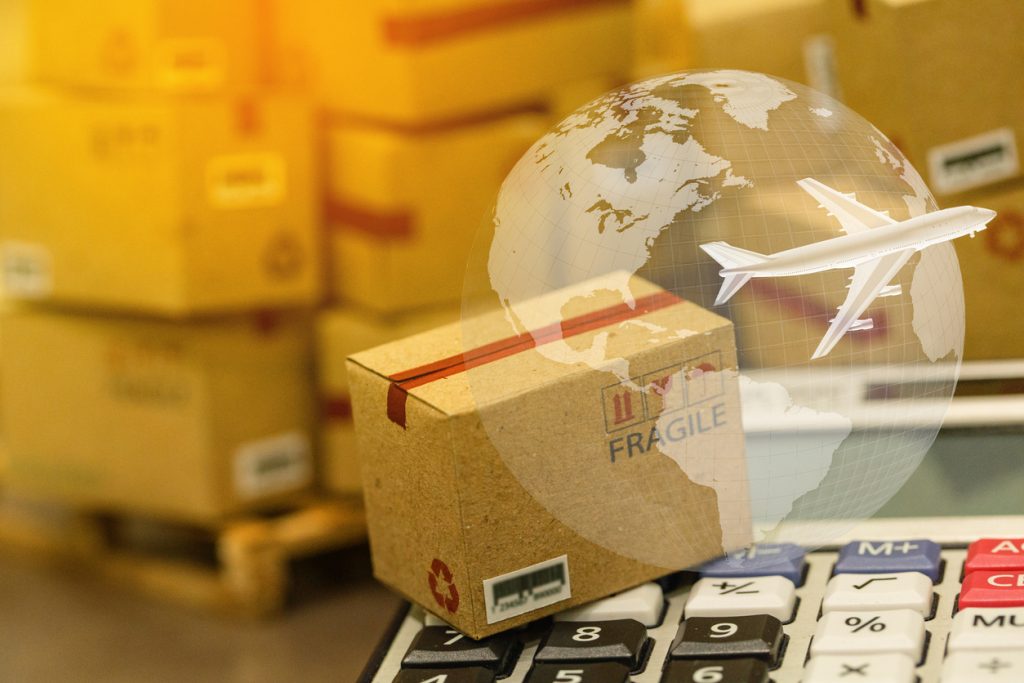
When a shipment is too urgent for road transport but too important to risk with informal handling, commercial air cargo services in Nigeria become the practical option. Businesses use air cargo when speed matters, especially for goods moving between Lagos, Abuja, Port Harcourt, Kano, Enugu, and other major commercial cities.
In Nigeria, road delivery can work well for many items, but it is not always predictable. Traffic on the Lagos-Ibadan Expressway, delays around Ore, checkpoints, bad road sections, and seasonal travel pressure can turn a simple interstate movement into a two-day wait. For time-sensitive parcels, spare parts, documents, fashion stock, medical supplies, event materials, or high-value business items, air cargo can save serious time.
Travo.ng helps customers arrange practical cargo movement, delivery coordination, airport pickups, courier support, and business logistics without leaving them to figure out the process alone.
When Air Cargo Makes More Sense Than Road Transport
Air cargo is not for every shipment. If you are sending bulky household items or low-value goods that are not urgent, road cargo may be more affordable. But when the receiver needs the item quickly, flying the cargo can be the better business decision.
For example, a fashion vendor in Lagos sending urgent wedding outfits to Abuja may not want to risk a 24 to 48-hour road delay. A spare parts dealer in Port Harcourt supplying a client in Lagos may lose a customer if the part arrives late. A company sending documents for a tender submission may need same-day or next-day movement.
Commercial air cargo services in Nigeria are most useful for:
- Urgent business parcels
- Small cartons and packaged goods
- Medical or laboratory items that need fast movement
- Event materials going to another city
- Replacement parts and technical equipment
- Documents that must arrive quickly
- E-commerce orders for premium customers
The key is not just putting the cargo on a flight. The real work is in proper packaging, airport drop-off timing, tracking, receiver coordination, and final delivery after arrival.
What Usually Happens When You Send Cargo by Air
Many first-time customers assume air cargo works exactly like sending a parcel through a regular dispatch rider. It is different.
A typical process may involve confirming the cargo size and weight, checking the destination airport, preparing the item properly, moving it to the cargo terminal, booking space through an available airline or cargo channel, and arranging pickup when it lands.
For Lagos, cargo is usually processed around the Murtala Muhammed Airport cargo area. In Abuja, receivers may collect around the Nnamdi Azikiwe International Airport cargo section or request onward delivery. Port Harcourt, Kano, Owerri, Enugu, Benin, and other airport routes may also be available depending on flight schedules and cargo acceptance.
This is where coordination matters. If cargo misses the cut-off time, it may move the next day. If the receiver is not ready with the right details, collection may be delayed. Travo.ng helps customers avoid these small but costly mistakes by coordinating the movement properly from the start.
Realistic Timelines for Air Cargo in Nigeria
Air cargo is fast, but it is not magic. The timeline depends on the route, flight availability, airport processing, and how early the cargo is dropped off.
For common routes like Lagos to Abuja or Abuja to Lagos, cargo may arrive the same day if booked early enough. Lagos to Port Harcourt, Lagos to Kano, or Abuja to Enugu may also be possible within the same day or next working day, depending on flight schedules.
A realistic expectation is:
- Same-day movement for early bookings on active routes
- Next-day delivery for late drop-offs or less frequent routes
- Extra time during festive seasons, flight disruptions, or heavy cargo periods
For customers who need door-to-door support, extra time should be allowed for pickup from the sender and final delivery to the receiver.
What Affects the Cost of Air Cargo
The cost of commercial air cargo services in Nigeria depends mainly on weight, size, route, urgency, handling requirements, and whether the customer needs pickup or final delivery.
A small document package will not cost the same as a 20kg carton. Lightweight but bulky items may also attract higher charges because they take up space. Fragile goods may need better packaging. High-value items may require more careful handling and clearer documentation.
Before sending cargo, it is useful to confirm:
- Actual weight and estimated size
- Pickup location and delivery destination
- Whether the item is fragile, liquid, electronic, or sensitive
- How urgently the receiver needs it
- Whether airport pickup or door delivery is required
Travo.ng can guide customers through these details so they get a realistic quote instead of guessing and facing surprises later.
Common Mistakes That Delay Air Cargo
Most delays do not happen because the aircraft is slow. They happen because of poor preparation.
Customers often make mistakes like sending poorly packaged goods, arriving at the airport too late, providing incomplete receiver information, failing to confirm whether the item is accepted for air movement, or assuming the cargo will be delivered to the receiver’s doorstep automatically.
A business sending goods from Lagos Island to Abuja, for instance, should not wait until late afternoon before arranging pickup if same-day movement is important. Lagos traffic from Lekki, Ajah, Apapa, or Ikeja can easily affect airport timing.
Good logistics planning means booking early, packaging properly, confirming the route, and making sure someone is ready to receive the cargo at the destination.
How Travo.ng Supports Businesses and Individuals
Travo.ng is useful for customers who want air cargo handled with proper coordination, not guesswork. Whether you are a vendor, corporate team, importer, event planner, relocation customer, or individual sending urgent items, the goal is to make the process easier.
Depending on the shipment, Travo.ng can support with courier services, airport cargo coordination, delivery services, transport arrangements, and onward movement after the cargo arrives. Customers can also use related services such as airport pickups, vehicle hire, hotel reservations, and travel bookings when logistics is part of a larger trip or business movement.
For example, a company sending materials to Abuja for a conference may also need airport pickup for staff, hotel booking, and local transport. Handling these separately can become stressful. Coordinating them through one service provider makes the movement cleaner.
A Smarter Way to Move Urgent Cargo Across Nigeria
Commercial air cargo services in Nigeria are best for people who value time, reliability, and proper handling. It may cost more than road transport, but for urgent business items, missed deadlines can be far more expensive.
The safest approach is to plan early, confirm the cargo details, use proper packaging, and work with a logistics team that understands Nigerian routes, airport timing, and delivery realities.
With Travo.ng, customers can arrange cargo movement, courier support, and transport coordination in a way that fits real Nigerian business needs. Whether it is Lagos to Abuja, Port Harcourt to Lagos, Abuja to Kano, or another active route, the right planning can help your shipment move faster and with less stress.
